Best Plant Based Cleaning Products for Safer Homes
A clean kitchen counter should not leave you wondering whether it is safe for your toddler to touch, your dog to lick, or your family to breathe around. The best plant based cleaning products make it possible to care for your space without relying on strong chemical odors or unnecessarily harsh residues. But not every product with a leaf on the label delivers the same level of cleaning power or ingredient transparency.
For busy households and workplaces, the goal is simple: choose products that handle real messes, support healthier indoor air, and fit into a cleaning routine you can maintain. Here is what to look for and which types of plant-based cleaners earn a place in a safer home or business.
What Makes a Plant-Based Cleaner a Better Choice?
Plant-based cleaning products use ingredients derived partly or primarily from renewable plant sources, such as coconut, corn, citrus, sugar, and vegetable oils. These ingredients can be used to create surfactants, the cleaning agents that lift grease and soil so they can be wiped or rinsed away.
That does not mean every plant-based formula is automatically non-toxic, fragrance-free, or environmentally low-impact. A product can contain plant-derived ingredients and still include synthetic fragrances, dyes, or preservatives that some people prefer to avoid. The best choice depends on your household, sensitivities, pets, surface types, and the cleaning job in front of you.
For many families, the biggest benefit is reducing routine exposure to harsh fumes and residues. This matters especially in frequently used spaces such as kitchens, bathrooms, nurseries, classrooms, medical offices, and break rooms. A safer cleaner can still be a highly effective cleaner when it is matched to the right surface and given enough time to work.
Best Plant Based Cleaning Products by Cleaning Task
There is no single bottle that does every job perfectly. A gentle all-purpose spray may be ideal for daily countertop cleanup but not strong enough for baked-on oven grease or mineral buildup on a shower door. Building a small, purposeful set of products is more useful than filling a cabinet with bottles that all promise the same thing.
All-purpose cleaner for everyday surfaces
A plant-based all-purpose cleaner is the workhorse of a lower-toxicity cleaning routine. Look for a formula designed for sealed countertops, appliance exteriors, tables, cabinet fronts, and other washable surfaces. Plant-derived surfactants paired with citric acid or light solvents can remove fingerprints, food spills, and everyday grime without leaving a heavy chemical smell behind.
Choose an unscented option if anyone in your home or workplace is sensitive to fragrance. If you enjoy a scented product, look for clear fragrance disclosure rather than vague terms that do not explain what is in the formula. Even naturally derived essential oils can be irritating for some people and may not be appropriate around certain pets.
Dish soap that cuts grease without harshness
The best plant-based dish soaps use effective surfactants to break through oil, sauces, and food residue. A good formula should produce enough cleaning action to wash dishes efficiently without requiring excessive product or hot water.
For handwashing dishes, prioritize grease-cutting performance and rinseability. A residue-free finish matters on glassware, plates, and reusable water bottles. If you use a dishwasher, choose detergent specifically made for machines rather than trying to substitute hand dish soap, which can create far too many suds.
Laundry detergent for everyday fabrics
Plant-based laundry detergents can be a strong option for regular loads of clothing, towels, and bedding. For households with babies, allergies, or sensitive skin, fragrance-free detergent is often the most practical starting point. It eliminates one common source of unnecessary irritation while still providing the cleaning power needed for daily laundry.
For heavily soiled work clothes, athletic gear, or cloth diapers, a plant-based detergent may need a little help. Pretreat stains promptly, avoid overloading the machine, and use the warmest water safe for the fabric. Cleaning performance is often determined as much by good laundry habits as by the product itself.
Bathroom cleaner for soap scum and mineral buildup
Bathrooms demand a cleaner with more targeted muscle. Plant-based formulas containing citric acid can be particularly helpful for hard-water spots, soap scum, and mineral film. They are often a good choice for sinks, fixtures, tile, shower walls, and glass doors when used according to label directions.
In New Mexico, mineral-heavy water can make bathroom buildup especially frustrating. The practical answer is consistency: use a daily shower spray or wipe down wet surfaces after use, then clean more thoroughly each week. Waiting until hard-water deposits have hardened may require longer contact time, repeated applications, or professional attention.
Avoid assuming that a natural acid cleaner is safe for every surface. Marble, travertine, limestone, and other natural stone can etch when exposed to acidic products. For these surfaces, use a pH-neutral cleaner intended for stone.
Glass cleaner for clear, streak-free results
A plant-based glass cleaner can handle mirrors, windows, glass tabletops, and stainless steel when used with a clean microfiber cloth. The cloth matters as much as the spray. A dirty cloth can spread oils and lint, making a perfectly good product seem ineffective.
Use a small amount of cleaner and wipe in one consistent direction. On exterior windows or very dusty glass, remove loose dirt first so it does not become a streaky film. This small extra step protects the surface and produces a noticeably better result.
Floor cleaner matched to the floor type
Floor care is where “all-purpose” can become a costly mistake. Hardwood, laminate, luxury vinyl, tile, and natural stone all have different needs. The best plant-based floor cleaner is one specifically approved for your flooring type and designed to leave minimal residue.
Use less product than you think you need. Overusing any floor cleaner, including a plant-based one, can leave a dull film that attracts more dirt. For sealed hard floors, a lightly damp microfiber mop and the proper diluted solution are usually more effective than soaking the surface.
How to Read Labels Without Getting Misled
Words such as “green,” “natural,” and “eco-friendly” can be useful starting points, but they are not a complete safety review. Turn the bottle around and look for specifics. Brands that list ingredients, explain their fragrance choices, and provide clear surface directions give you more information to make a responsible decision.
Pay attention to whether the product is concentrated. Concentrates can reduce packaging waste and last longer, but only if they are diluted correctly. Using too much does not make cleaning better. It can leave residue, waste product, and make surfaces harder to rinse.
Also distinguish cleaning from disinfecting. An all-purpose plant-based cleaner removes dirt and many germs through physical cleaning, but it may not be registered or formulated to disinfect. In spaces with specific sanitation requirements, such as medical clinics, schools, and food-preparation areas, use a product appropriate for the required task and follow its contact-time instructions exactly.
A Safer Routine Still Needs Smart Cleaning Habits
The product is only one part of a healthy cleaning routine. Good ventilation, clean tools, regular maintenance, and correct technique make a major difference. Open a window when conditions allow, wash microfiber cloths between uses, and do not use one cloth from the bathroom on kitchen surfaces.
Never mix cleaning products, even if both are marketed as natural. Mixing acids, bleach, ammonia, or unknown formulas can create dangerous fumes or reduce effectiveness. Store all cleaning products out of reach of children and pets, and keep them in their original, labeled containers.
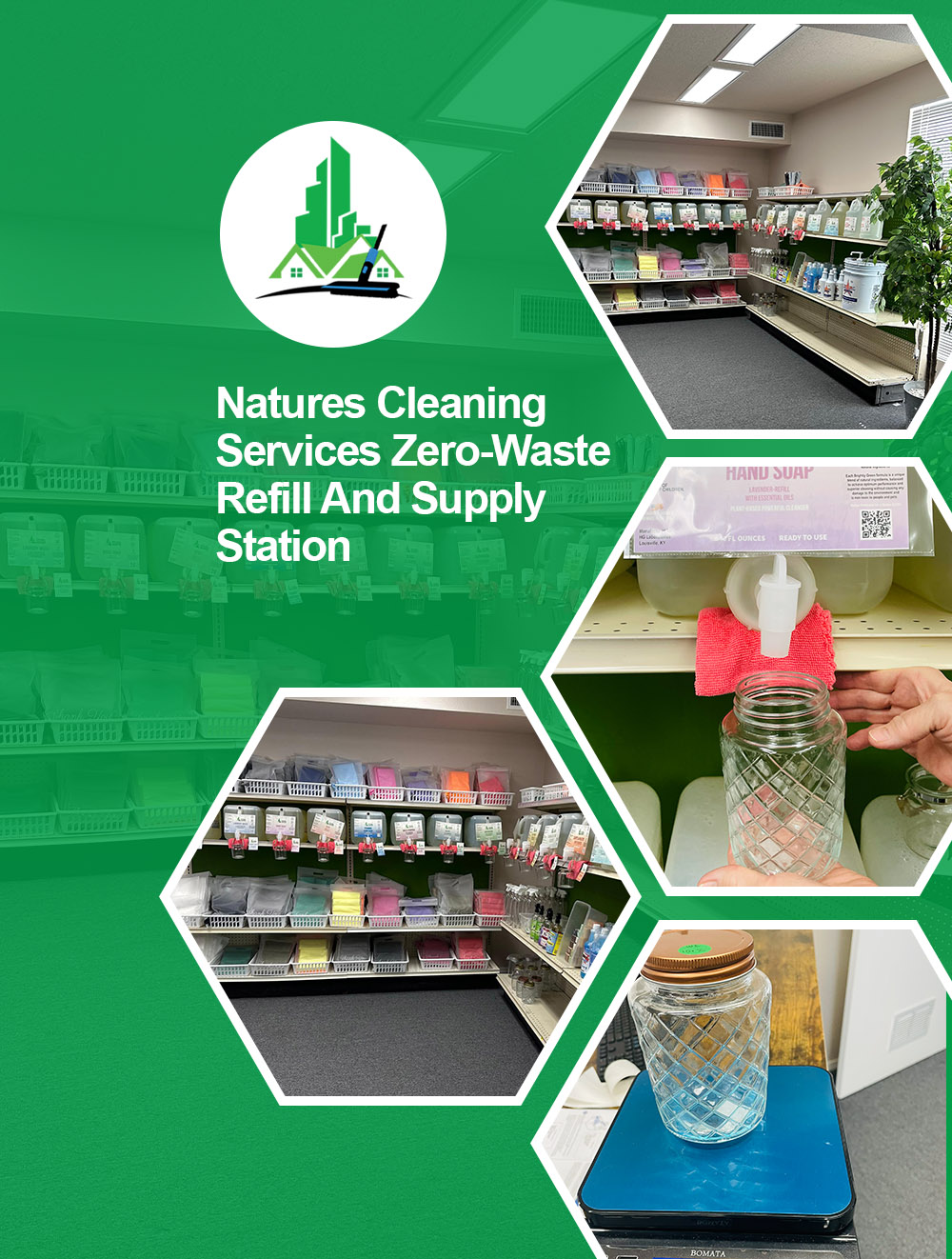
For homes and businesses that need consistent results without the time-consuming guesswork, a professional cleaning plan can be a practical solution. Natures Cleaning Services uses plant-based, non-toxic solutions selected to support healthier homes and workplaces while delivering the thorough care busy families and local businesses expect.
The right cleaner should leave more than a pleasant-looking surface. It should help your space feel cared for, your routine feel manageable, and the people and pets who share that space feel protected.