Are Green Cleaners Safe for Homes and Workplaces?
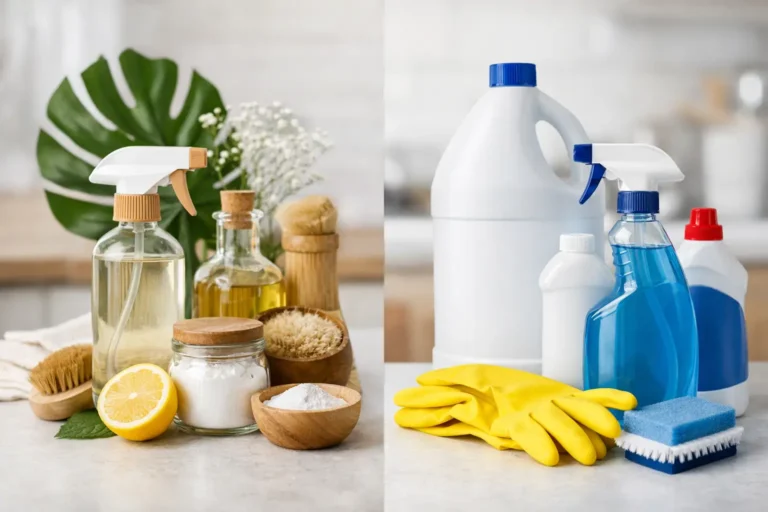
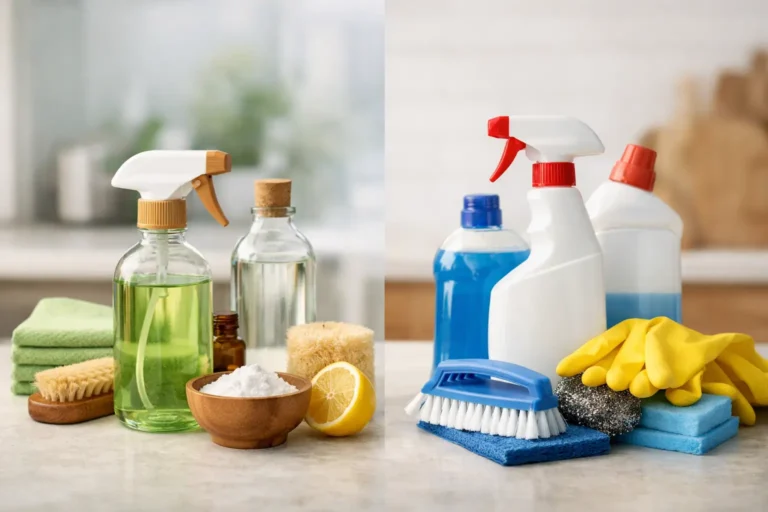
A bottle can be green, leaf-covered, and labeled “natural” while still containing ingredients that bother sensitive skin, trigger headaches, or leave a strong fragrance in the air. So, are green cleaners safe? Often, they can be a safer choice, but the label alone does not guarantee that a product is right for your family, pets, employees, or facility.
For a truly healthier clean, look beyond marketing language and consider what is in the product, how it is used, and what surface or mess you need to address. A thoughtfully chosen plant-based cleaner can deliver excellent results without making harsh chemical exposure the price of a clean space.
What “Green” Cleaning Really Means
“Green” is a broad term, not a single safety standard. In general, green cleaning products are designed to reduce harm to people and the environment. They may use plant-derived ingredients, biodegradable formulas, recyclable packaging, or lower-impact manufacturing practices. Those are meaningful benefits, especially for households and businesses trying to reduce unnecessary waste and chemical use.
Still, a product can be environmentally minded in one way and fall short in another. For example, a cleaner may come in recyclable packaging but include a heavy synthetic fragrance. Another may be made with plant-based ingredients but still cause irritation if used undiluted or without ventilation.
The most reliable approach is to treat green cleaning as a set of practical standards: use effective products with transparent ingredients, avoid unnecessary irritants, follow dilution and safety instructions, and choose reusable or refillable options when possible.
Are Green Cleaners Safe for Children and Pets?
Green cleaners are often a better fit for homes with children and pets because many are formulated without ammonia, chlorine bleach, phosphates, or harsh solvents. Reducing exposure to these ingredients can make a noticeable difference in spaces where little hands touch floors, pets nap on rugs, and families gather every day.
But “safer” does not mean a cleaner is safe to drink, splash in the eyes, or leave open near a curious toddler. Essential oils, concentrated surfactants, acids, and even common household ingredients can be harmful when swallowed or misused. Keep every cleaning product, including plant-based products, in its original container and out of reach of children and animals.
Fragrance deserves special attention. A pleasant scent is not always a sign of cleanliness, and strong fragrances can be difficult for people with asthma, allergies, migraines, or chemical sensitivities. If someone in your home reacts to scented products, choose fragrance-free or lightly scented options with clearly disclosed ingredients.
For pet households, clean floors matter, but residue matters too. Follow product instructions, do not overapply, and allow floors and upholstery to dry before pets return to the area. This is especially helpful for dogs and cats that lick their paws after walking across freshly cleaned surfaces.
The Ingredients and Claims Worth Checking
You do not need a chemistry degree to make a better choice. Start by looking for a clear ingredient list and straightforward directions. Companies that are transparent about what they use make it easier to avoid ingredients that do not work for your household or workplace.
Be cautious with vague claims such as “chemical-free,” because everything from water to vinegar is a chemical. A more useful claim is one that identifies what the formula does not contain, such as no added dyes, no chlorine bleach, or no artificial fragrance. Third-party certifications can also be helpful, but they should support your decision rather than replace common sense.
There are a few product types that call for extra care. Acid-based cleaners can be effective on mineral buildup but may damage natural stone. Degreasers may be stronger than everyday cleaners and need gloves or ventilation. Disinfectants have an important role in certain settings, yet they should be selected for the specific germ-control need rather than sprayed routinely on every surface.
A cleaner is not automatically gentle because it is plant-based. Citrus-derived solvents, vinegar, baking soda, and essential oils all have useful roles, but they can affect sensitive skin, eyes, finishes, or indoor air when used improperly. The best product is the one that is appropriate for the job and used as directed.
Cleaning, Sanitizing, and Disinfecting Are Different Jobs
Many people reach for the strongest product they can find because they want reassurance that a surface is truly clean. In most homes and many offices, regular cleaning with soap or a quality all-purpose cleaner is the foundation. It removes dirt, oils, crumbs, and much of the everyday buildup that makes a space feel unclean.
Sanitizing and disinfecting are different. These products are intended to reduce or kill certain germs, and they require specific contact times to work. Wiping a disinfectant away immediately may not accomplish what the label promises. Using it unnecessarily, however, can add fumes and residues without providing meaningful extra benefit.
In higher-risk environments, such as medical clinics, dental offices, schools, and high-touch commercial spaces, disinfecting protocols may be necessary. In those cases, safety includes using the right product correctly, ventilating the area, protecting staff, and avoiding product mixing. Never combine cleaners, especially products containing bleach, ammonia, or acids.
Safer Green Cleaning Starts With Better Habits
The product matters, but the method matters just as much. Using too much cleaner can leave residue on counters, floors, glass, and fixtures. More is not cleaner. Measure concentrates carefully, use microfiber cloths that lift soil effectively, and change dirty water or cloths rather than spreading grime from one room to another.
Ventilation is another simple safeguard. Open a window when weather permits, run an exhaust fan in bathrooms, and give freshly cleaned areas time to air out. This is valuable even with low-odor products, particularly in smaller spaces or buildings with limited airflow.
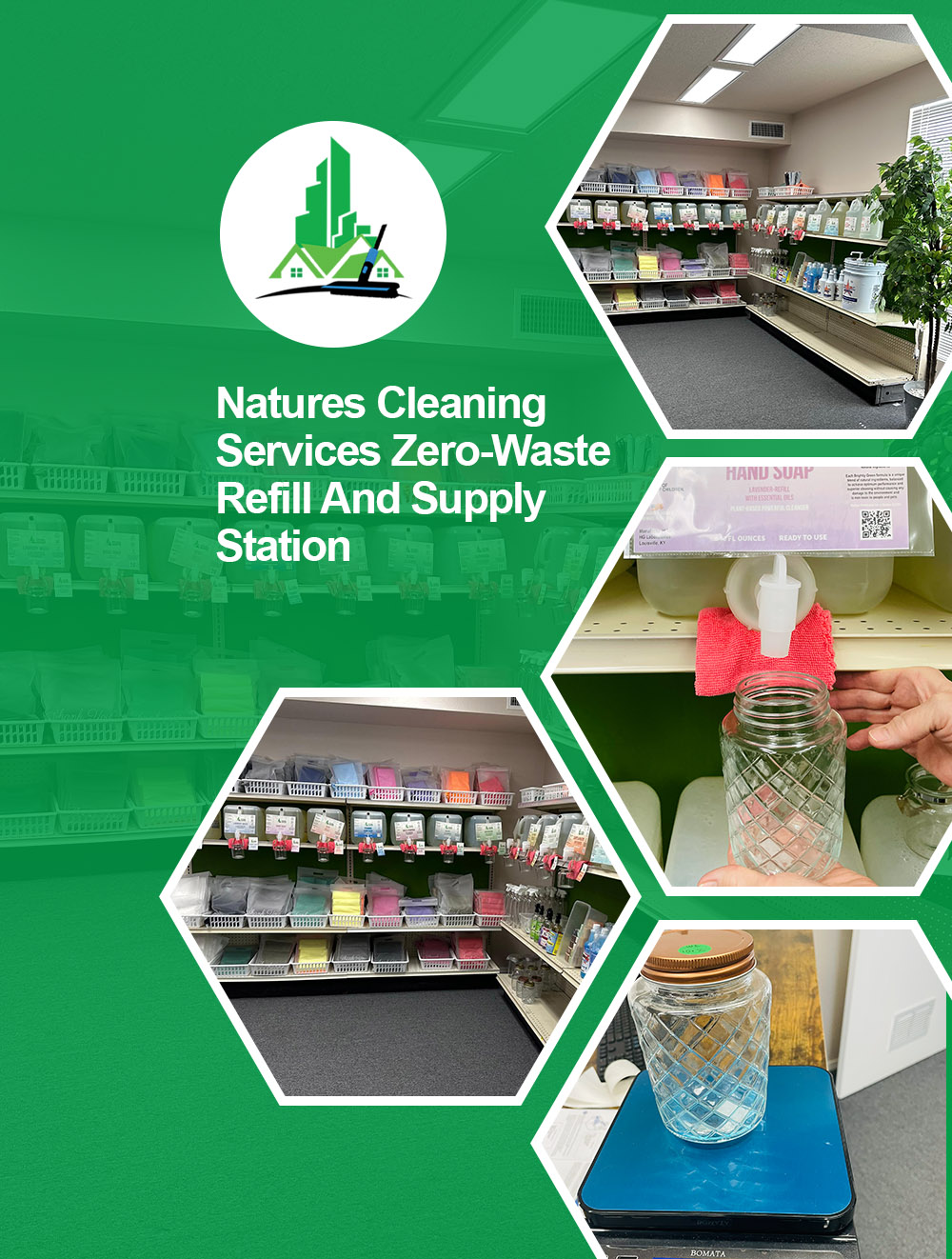
For households trying to reduce waste, concentrates and refill systems can be a practical option. They can cut down on single-use plastic and transportation weight while giving you control over how much product you use. The trade-off is that concentrates must be diluted accurately and stored carefully. A refillable solution only helps when the bottle is clearly labeled and never confused with a food or drink container.
When Professional Green Cleaning Makes Sense
A consistent cleaning routine can be hard to maintain between work, school, pets, appointments, and the everyday demands of running a household or business. Professional service can help maintain a cleaner environment without requiring you to keep a cabinet full of products or spend your weekend catching up.
For deep cleaning, move-in or move-out service, recurring home cleaning, floor care, grout cleaning, or janitorial work, ask a provider what products and practices they use. A dependable company should be able to explain its approach to ingredients, fragrances, surface care, waste reduction, and the needs of children, pets, staff, and visitors.
At Natures Cleaning Services, the goal is not simply to make a room look polished. It is to provide professional-grade cleaning with plant-based, non-toxic solutions that support healthier homes and workplaces throughout the Albuquerque area. That means matching the cleaning method to the space rather than relying on a one-size-fits-all chemical routine.
A Cleaner Space Should Not Come With Guesswork
Choosing greener products is not about chasing perfection or fearing every ingredient. It is about reducing avoidable exposure, using effective tools responsibly, and creating a space where people and pets can breathe easier. Read labels, respect product directions, and give extra thought to the areas where your family, employees, and customers spend the most time.
A clean home or workplace should feel like peace of mind, not a compromise. When your cleaning choices protect the people inside while respecting New Mexico’s natural beauty outside, the difference reaches well beyond a freshly wiped counter.