Cleaning Product Ingredients: What Matters Most
That sharp chemical smell after cleaning may feel like proof that a room is sanitized, but fragrance is not the same as cleanliness. The cleaning product ingredients you bring into your home or workplace can affect indoor air, sensitive skin, curious pets, and the people who spend the most time in those spaces. A safer clean starts with understanding what a product is designed to do and what it leaves behind.
For busy households and businesses, this is not about expecting every product to be perfect. It is about making informed choices that balance cleaning power, health, and environmental responsibility. The right products can handle everyday messes, grease, bathroom buildup, and high-touch surfaces without turning your home or office into a cloud of harsh fumes.
Why Cleaning Product Ingredients Matter
Cleaning products work because their ingredients perform specific jobs. Some loosen dirt, some cut through grease, some adjust pH, and some reduce germs. The concern is not that an ingredient has a scientific name. Many safe, familiar ingredients have names that sound technical. The real questions are whether the ingredient is necessary for the task, how it is used, and whether it can cause unnecessary exposure or environmental harm.
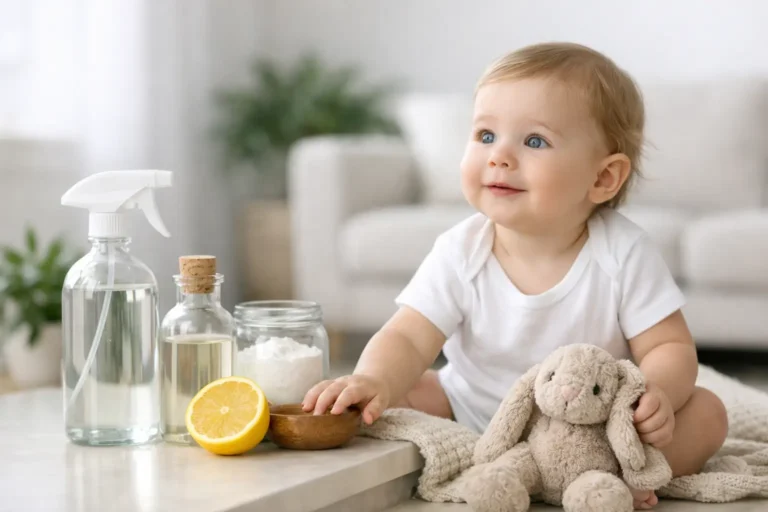
In a closed home, ingredients released through sprays, scented products, or strong disinfectants can linger in the air. This may be especially noticeable for people with asthma, allergies, migraines, or chemical sensitivities. Young children and pets are also closer to floors and soft surfaces, where residues can remain after cleaning.
At work, product choices matter for a different but equally practical reason. Employees, visitors, patients, students, and customers share the same indoor environment. A product that causes watery eyes or leaves a strong odor can make a space feel less comfortable, even when it looks clean. For medical clinics, dental offices, schools, and other commercial settings, cleaning methods must also meet the real sanitation needs of the space. It depends on the setting, the surface, and the level of germ control required.
Cleaning Product Ingredients to Look for
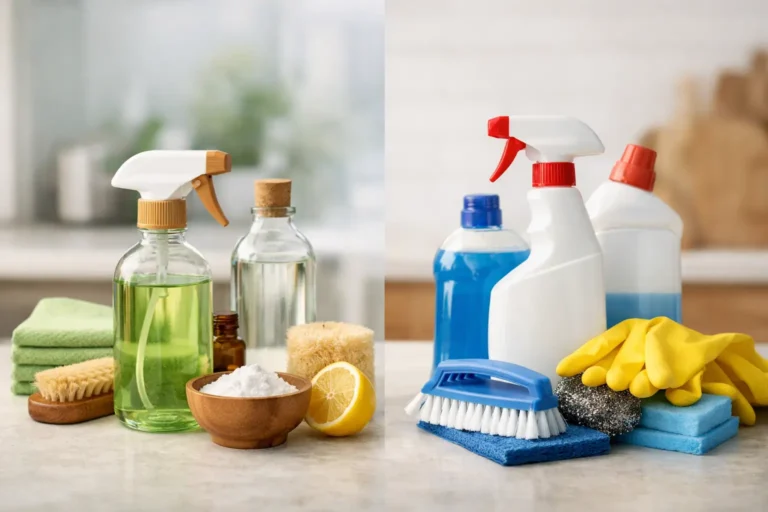
Plant-based does not automatically mean a product is harmless, but thoughtfully formulated plant-based products can be a practical choice for routine cleaning. They often rely on ingredients that clean effectively while reducing reliance on harsh solvents, overpowering fragrances, and residues that do not belong in a living space.
Surfactants for everyday soil and grease
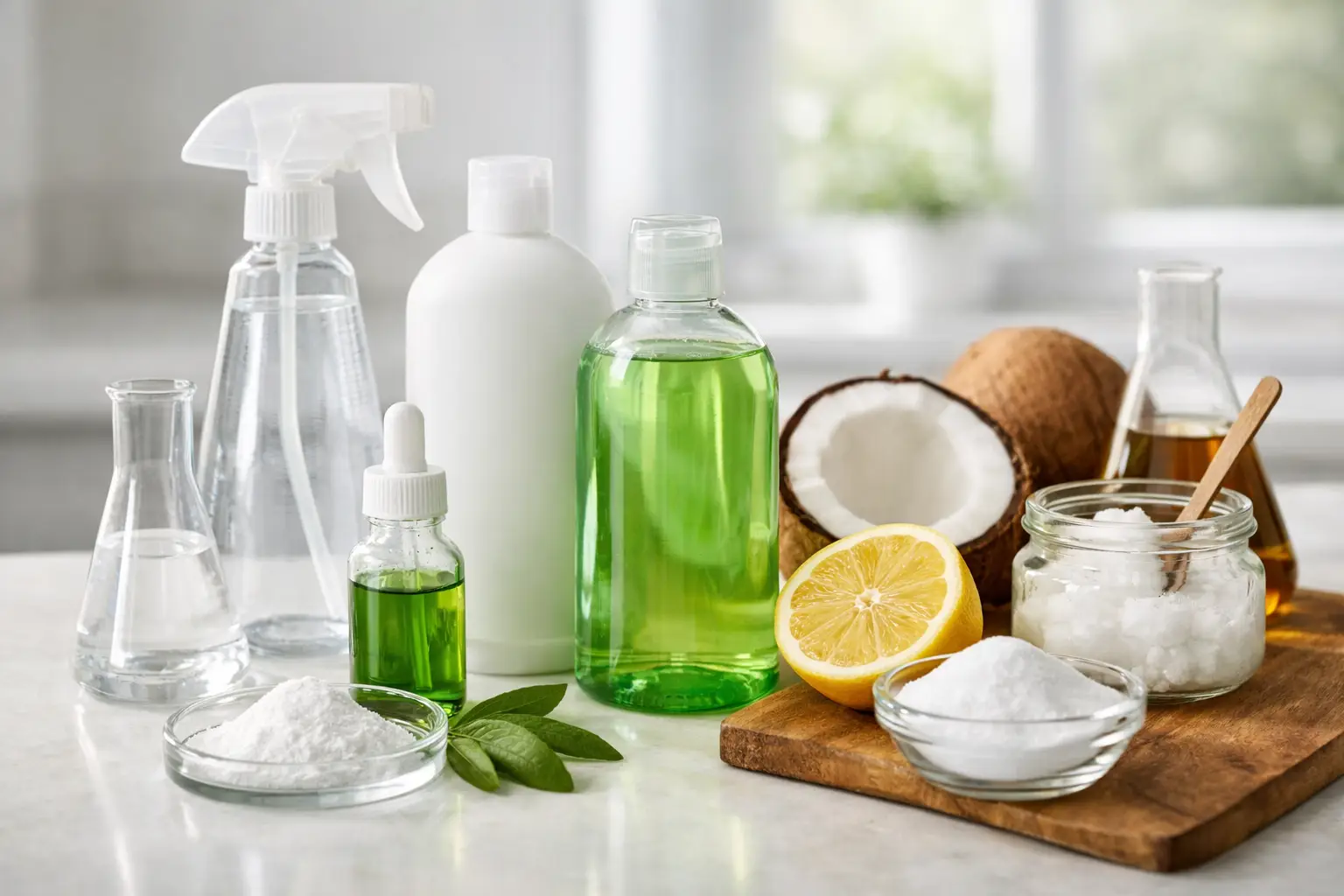
Surfactants are the workhorses in many cleaners. They help water lift dirt and oils from surfaces so they can be wiped or rinsed away. A gentle surfactant may be derived from plants such as coconut or corn, though the source alone does not tell the whole story. What matters is whether it cleans well at the recommended dilution and breaks down responsibly after use.
For kitchen counters, appliance exteriors, bathroom surfaces, and routine floor care, a quality surfactant-based cleaner is often all that is needed. More aggressive chemistry is not necessarily more effective for ordinary dust, fingerprints, or grease splatters.
Acids and alkaline ingredients for targeted jobs
Different messes respond to different pH levels. Mild acids, including citric acid, can help remove mineral deposits, soap scum, and hard-water buildup. This is especially useful in New Mexico homes, where mineral-heavy water can leave spots on faucets, shower doors, and tile.
Alkaline ingredients are often better for cutting grease and food residue. Baking soda, for example, can provide mild scrubbing power and odor control in the right application. These ingredients still need to be matched to the surface. An acidic cleaner can damage natural stone, while abrasive powders can dull delicate finishes. Safer cleaning also means protecting the materials in your home.
Enzymes for organic messes
Enzymes are useful when a mess has an organic source, such as food residue, pet accidents, or certain odors. They work by breaking down the material causing the stain or smell rather than simply covering it with fragrance. Because enzymes need time to work, they may not be the best choice when an immediate disinfecting step is required. For routine pet and household care, though, they can be a thoughtful option.
Clear, purposeful fragrance choices
A clean space should smell fresh because it is clean, not because a heavy scent is masking a problem. Products with no added fragrance or a light, clearly identified scent can be easier for scent-sensitive family members, guests, and employees.
Essential oils are not automatically risk-free just because they come from plants. Some can irritate skin, trigger sensitivities, or be unsafe around certain pets when used improperly or in concentrated amounts. The most dependable approach is moderation, proper dilution, ventilation, and choosing products made for their intended purpose.
Ingredients Worth a Closer Look
Labels are not always easy to read, and no single ingredient list can tell you everything about a product. Still, several categories deserve extra consideration, particularly when a cleaner will be used frequently or on surfaces touched by children and pets.
Added fragrance can be one of the least transparent parts of a formula. A label may simply say “fragrance” without explaining what creates the scent. If someone in your household experiences headaches, coughing, skin irritation, or nausea after cleaning, switching to fragrance-free products is a reasonable first step.
Quaternary ammonium compounds, sometimes called quats, are common disinfecting ingredients. They can have a place when disinfection is truly needed, but they are not necessary for every cleaning task. Frequent, broad use may contribute to respiratory or skin irritation for some people. Use disinfectants according to the label, with appropriate dwell time, and reserve them for situations that call for disinfection rather than routine wiping.
Chlorine bleach is another example of a product that can be useful but requires care. It can whiten and disinfect certain surfaces, yet it also produces strong fumes and can damage fabrics, finishes, and grout when overused. Never mix bleach with ammonia, acids, or other cleaners. Dangerous gases can result, even from a well-intended attempt to make a cleaner work harder.
Ammonia-based cleaners can cut grease and leave glass streak-free, but the fumes can be unpleasant and irritating. Strong solvents may also be unnecessary for everyday use, especially in spaces with limited ventilation. When the job can be done with a lower-impact cleaner, choosing the gentler option protects the people using the space and the person doing the cleaning.
How to Choose Safer Products Without Sacrificing Results
Start with the job, not the marketing claim. A multipurpose cleaner may be ideal for regular surface cleaning, while a separate bathroom cleaner may be needed for mineral buildup. A disinfectant should be selected only when the surface or situation calls for it. Cleaning removes soil and many germs mechanically; disinfecting is a separate process with specific instructions.
Read the full label before use. Look for directions, dilution guidance, surface warnings, and any required protective measures. A concentrated product may reduce packaging waste and last longer, but only if it is diluted correctly. Using more than directed can leave residue, waste product, and make a space harder to rinse.
Choose transparent brands that identify their ingredients and explain what their products are meant to do. Claims such as “natural” or “green” can be a starting point, not a final answer. Look beyond the front label for meaningful details: fragrance disclosures, safer-use instructions, and a clear explanation of whether a product cleans, sanitizes, or disinfects.
Storage matters as much as selection. Keep products in their original containers, out of reach of children and pets, and away from heat. Do not combine products in a spray bottle or use empty food containers for storage. Even gentle cleaners deserve careful handling.
A Healthier Clean Is Also a More Practical Clean
The best cleaning routine is one your household or team can maintain. Using a small set of well-chosen products for regular upkeep can prevent dirt, soap scum, and grime from becoming a major project. That means fewer harsh interventions later and a consistently more comfortable space.
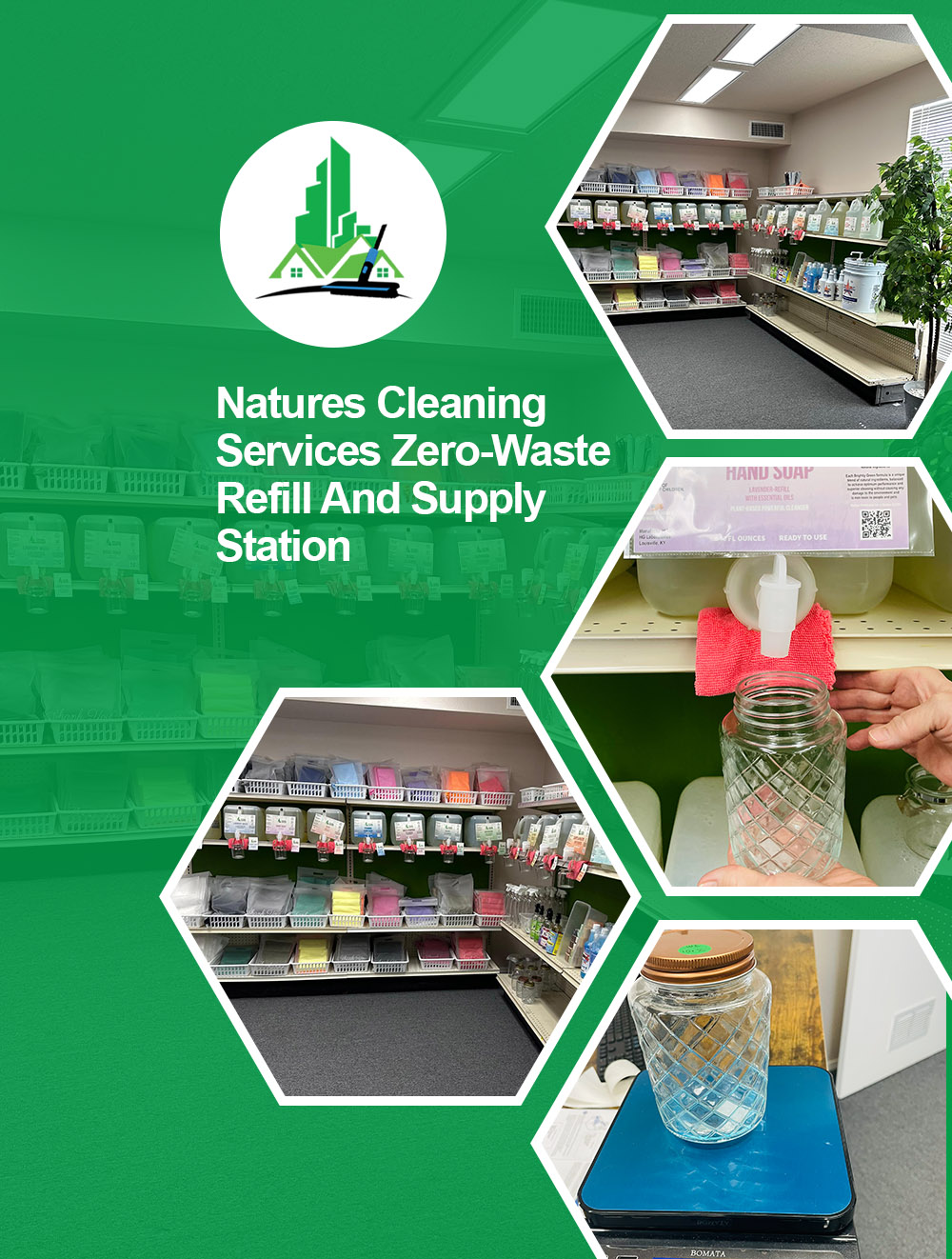
For deeper jobs, professional judgment can make a difference. Floors, grout, move-in cleaning, commercial restrooms, and high-traffic offices often need more than a one-size-fits-all product. Natures Cleaning Services uses plant-based, non-toxic solutions whenever possible while matching methods to the surface and the task. A clean result should never require compromising the well-being of your family, pets, employees, or New Mexico’s natural beauty.
The next time you reach for a cleaner, pause long enough to ask what it is made to remove, where it will be used, and who will be around it afterward. That small habit can help create a home or workplace that feels genuinely clean, comfortable, and cared for.