
New Homeowner Cleaning Guide for a Healthier Home
The boxes are stacked, the keys are finally yours, and then you notice it: dusty ceiling fans, a mystery spot in the pantry, and floors that do not quite feel like home yet. This new homeowner cleaning guide helps you start fresh without filling your new space with harsh fumes or spending every free weekend catching up.
A clean home is about more than appearances. It affects the air your family breathes, the surfaces your pets touch, and how comfortably you settle into a major life change. Start with the areas that matter most, use products that are safe for everyday living, and build a routine that fits the life you actually have.
Start With a Clean Slate Before You Fully Unpack
It is much easier to clean an empty cabinet than one already packed with dishes. Before furniture and boxes take over, focus on the surfaces that are hard to reach later: inside cabinets and drawers, closet shelves, baseboards, window tracks, ceiling fans, and behind appliances.
Begin at the top of each room and work down. Dust high shelves and fan blades first, wipe walls where fingerprints or scuffs are visible, then clean counters, fixtures, and floors last. This simple order prevents you from re-cleaning surfaces after dust falls onto them.
Kitchens and bathrooms deserve extra attention because they collect grease, moisture, and residue. In the kitchen, clean cabinet interiors, the refrigerator shelves and seals, the stovetop, and the area around handles. In bathrooms, disinfect high-touch points such as toilet flush handles, faucets, light switches, and door knobs. A plant-based cleaner can handle routine soil effectively while avoiding the strong chemical smell that can linger in a newly closed-up home.
If the home was vacant for a while, check ventilation registers and replace the HVAC filter early. Albuquerque-area homes can collect fine dust quickly, especially during dry and windy periods. A clean filter supports better airflow and keeps your fresh start from becoming a cycle of dusting every few days.
New Homeowner Cleaning Guide: Prioritize What You Cannot See
The most satisfying cleaning jobs are often the visible ones, like sparkling counters and vacuumed carpet. But a healthier home also depends on the less obvious areas where dust, moisture, and allergens build up.
Give Floors the Right First Treatment
Different flooring needs different care. Hardwood and laminate can be damaged by excess water, while tile and grout may hold on to dirt even after a quick mop. Carpet can trap dust, pet dander, and residue from previous occupants, particularly around edges and under furniture.
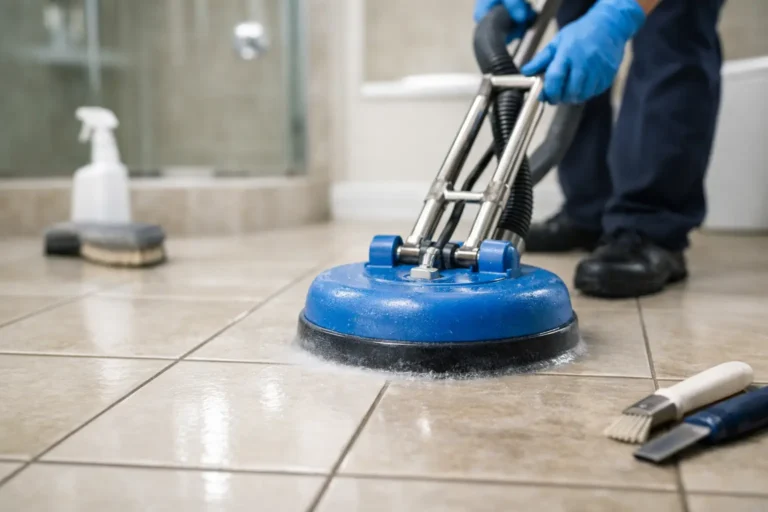
Vacuum thoroughly before mopping hard floors, including corners and along baseboards. For tile, pay attention to grout lines. If grout stays dark after normal cleaning, it may need a deeper professional treatment rather than increasingly aggressive products. Harsh acids and bleach may seem like fast answers, but they can discolor grout, irritate lungs, and create unnecessary risk when mixed with other cleaners.
For carpet, a deep clean is worth considering before unpacking rugs and arranging furniture. It is especially helpful if you have young children who play on the floor, pets who lounge there, or no clear record of when the carpet was last cleaned.
Reset the Bathroom for Daily Use
Bathrooms can reveal hidden maintenance issues quickly. Look under sinks for leaks, check caulk around tubs and showers, and run the exhaust fan during and after showers. Moisture control is one of the most effective ways to prevent mildew from becoming a bigger problem.
Clean the toilet exterior, shower walls, tub, sink, mirror, and floor, but do not overlook the small places: around the faucet base, beneath soap dispensers, and the hinges of the toilet seat. Once the room is clean, keeping a simple weekly rhythm is easier than trying to recover from several weeks of buildup.
Clean the Kitchen Where Food Lives
Wipe down shelves, drawers, and refrigerator bins before storing food. Use a clean microfiber cloth for pantry surfaces and another for general kitchen cleaning so you are not spreading crumbs or grease from one area to another.
Pay special attention to the garbage disposal, sink drain, dishwasher filter, and refrigerator water dispenser if the home has one. These areas are often skipped during a move-out clean, yet they can affect odor and everyday sanitation. If an appliance has a manufacturer cleaning recommendation, follow it rather than improvising with abrasive products.
Build a Safer Cleaning Kit, Not a Crowded Cabinet
New homeowners are often tempted to buy a separate product for every surface. Most homes do not need a cabinet full of heavily fragranced sprays. A thoughtful set of reliable tools is usually more useful and creates less waste.
Keep a gentle all-purpose cleaner, glass cleaner, bathroom cleaner, dish soap, microfiber cloths, a scrub brush, a vacuum with useful attachments, and a mop suited to your flooring. Add gloves if you prefer them and baking soda for mild scrubbing or odor control. Read product labels and never mix cleaners, especially anything containing bleach, ammonia, or acids.
Fragrance is not proof that something is clean. For families with children, pets, asthma, sensitivities, or simply a preference for cleaner indoor air, low-toxicity, plant-based products are a practical choice. They can deliver professional-grade results without asking your household to tolerate lingering chemical fumes.
Reusable microfiber cloths also make a meaningful difference. They lift dust and grime with less product, can be washed and used again, and reduce the pile of disposable wipes that often follows a move.
Make Cleaning Fit Your Real Schedule
A home stays manageable when cleaning is spread across the week. Trying to deep clean every room on Saturday is a fast path to frustration, especially after a move when paperwork, repairs, and errands are already competing for your time.
Choose a few small tasks for each day. Wipe kitchen counters after meals, clean bathroom sinks once or twice a week, vacuum high-traffic areas regularly, and tackle one rotating task such as dusting blinds or wiping baseboards. The exact schedule depends on your household. A family with a shedding dog will need more frequent floor care than a single-person household with no pets, while a home with hard water may need more attention around faucets and shower glass.
It also helps to create cleaning zones. Keep a few basic supplies in each bathroom, and store floor-cleaning tools where they are easy to reach. When supplies are inconvenient, even a five-minute task can turn into something you postpone.
Know When a Professional Deep Clean Is the Better Choice
Some jobs are more than routine maintenance. Move-in cleaning is particularly valuable when you do not know how thoroughly the previous owners cleaned, when construction dust is present, or when you want to begin with confidence rather than uncertainty.
Professional help can also make sense for neglected grout, heavily used carpets, hard-to-reach areas, or a busy move schedule. The trade-off is cost, but many homeowners find that a one-time deep clean saves time, reduces stress, and establishes a healthier baseline. It is not an indulgence when it gives your household more time to settle in and less exposure to unknown residue.
For homeowners in Albuquerque, Rio Rancho, Corrales, and nearby communities, Natures Cleaning Services provides customized deep cleaning and recurring service using plant-based, non-toxic products. The goal is simple: do not compromise your health for a clean home.
Keep an Eye on the Home as You Settle In
Cleaning often reveals small home-care needs before they become expensive repairs. Watch for recurring condensation, soft spots near sinks, persistent odors, cracked caulk, or dust that returns unusually fast. These are not always cleaning issues. They may point to a leak, poor ventilation, a worn filter, or a maintenance task that needs attention.
Take a few minutes each month to clean under appliances, inspect the bathroom fan, wipe door frames, and check window tracks. This kind of steady care protects both the comfort and condition of your home.
Your first months as a homeowner do not need to be perfect. A home becomes yours through daily life, shared meals, muddy paw prints, and quiet mornings, not through spotless surfaces alone. Clean with care, choose safer products, and give yourself permission to ask for help when a fresh start deserves more than a rushed wipe-down.