Plant Based Cleaners vs Bleach: What Cleans Best?
A clean kitchen should not leave the air sharp enough to make your eyes water. Yet many households and workplaces still reach for bleach by default, assuming its strong smell is proof that it works. In the conversation around plant based cleaners vs bleach, the better choice depends on what you are cleaning, whether disinfection is truly needed, and who shares the space with you.
For busy families, pet owners, and business operators, this is not simply a question of green products versus conventional ones. It is a question of getting dependable results without making harsh chemical exposure part of everyday life. Most routine messes need effective cleaning, not heavy-duty disinfection. Knowing the difference can help you create a healthier home or workplace while still maintaining professional standards.
Plant Based Cleaners vs Bleach: The Real Difference
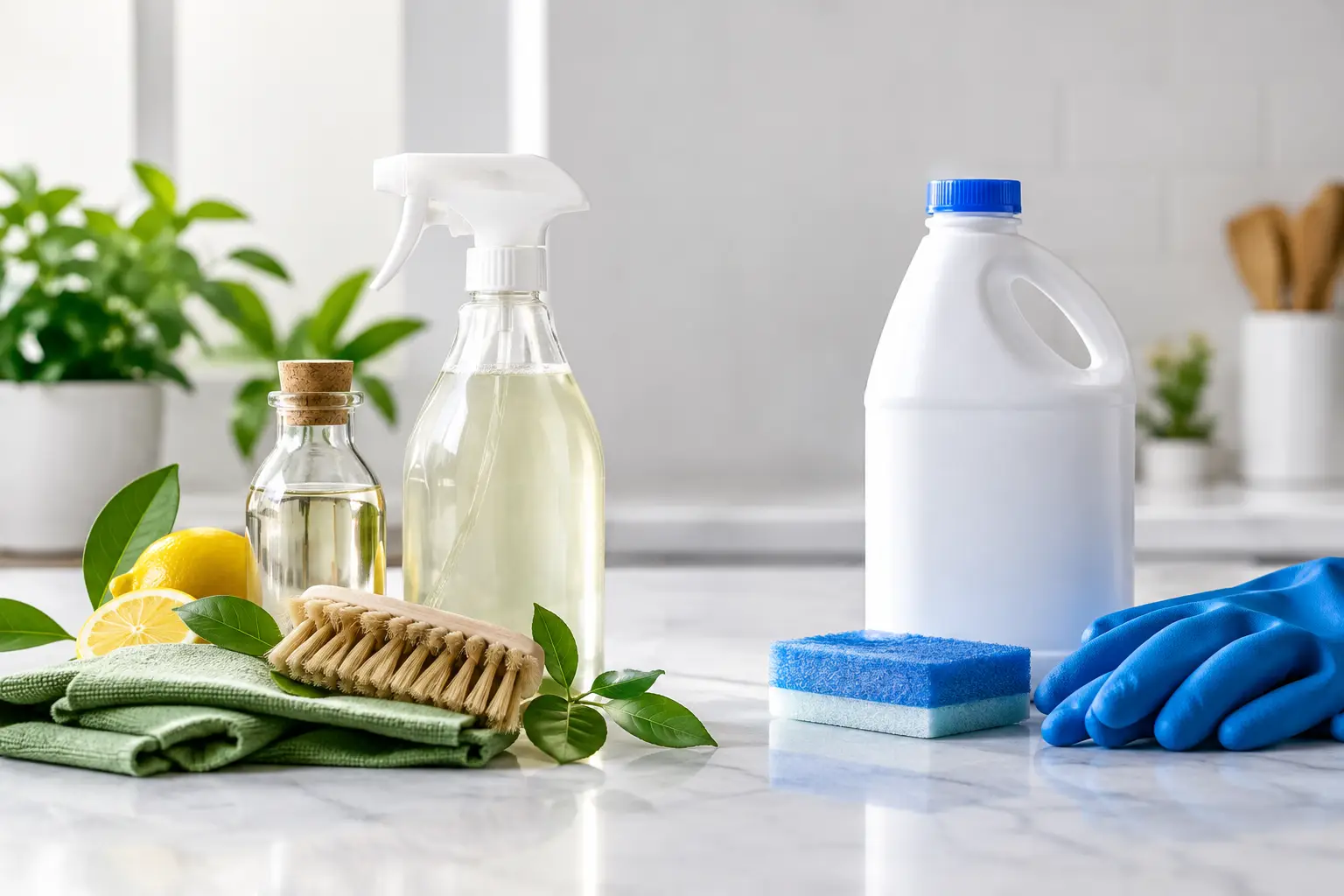
Plant-based cleaners generally use ingredients derived from renewable sources, such as plant-based surfactants, citric acid, or essential-oil-derived compounds. Their job is to lift grease, loosen grime, and carry away dirt from surfaces. Well-formulated plant-based products can handle the ordinary work of cleaning counters, floors, bathroom surfaces, appliances, and more.
Bleach, usually sodium hypochlorite, is a powerful chemical disinfectant and whitening agent. When used correctly at the right dilution and contact time, it can kill many germs on hard, nonporous surfaces. It can also remove certain stains and help with specific sanitation needs.
The crucial distinction is that cleaning and disinfecting are not the same task. Cleaning removes soil, residue, and many germs from a surface. Disinfecting is intended to kill specified germs after the surface has been cleaned. A surface can look spotless and still require disinfection in certain circumstances, but it does not need to be disinfected every time someone makes lunch or tracks dust through the entryway.
Why Bleach Is Not an Everyday Cleaner
Bleach has a place in some cleaning plans, particularly where a product with verified disinfection claims is required or where there has been a contamination event. Certain medical settings, food-related sanitation protocols, and bodily-fluid cleanup situations may call for a registered disinfectant used according to its label directions.
But bleach comes with trade-offs. Its fumes can be irritating, especially in small bathrooms, poorly ventilated spaces, and homes where people have asthma or chemical sensitivities. It can discolor fabrics, damage finishes, and weaken some materials over time. Repeated use on grout, wood, natural stone, metal, or colored surfaces can create problems that are more expensive than the original mess.
There is also a serious safety concern: bleach must never be mixed with ammonia, vinegar, acids, alcohol, or many other cleaners. Dangerous gases can form quickly. Even when it is used alone, it should be handled with ventilation, appropriate dilution, and careful storage away from children and pets.
A strong odor is not evidence of a better clean. It is simply an odor. For the daily cleaning that keeps a home or office comfortable, bleach is often more than the job requires.
Where Plant-Based Products Shine
A quality plant-based cleaner is a practical choice for regular surface care. It can cut through fingerprints on doors, kitchen grease, everyday bathroom residue, dust, and the tracked-in dirt that comes with New Mexico’s dry, windy conditions. Because these products are designed for frequent use, they can support a consistently clean space without filling it with harsh fumes.
This matters in places where people spend hours at a time. Parents may be cleaning around children who play on the floor. Pet owners need to think about paws, bowls, and favorite sleeping spots. Offices, dental practices, schools, and other customer-facing businesses want a clean environment that feels welcoming, not chemically overwhelming.
Plant-based does not automatically mean a product is harmless, fragrance-free, or right for every material. Natural ingredients can still trigger sensitivities, and concentrated products still need proper use. Read the label, follow dilution guidance, and test unfamiliar products on a discreet area when cleaning delicate finishes.
The advantage is not that plant-based cleaners are magic. It is that they can provide strong everyday cleaning performance with a gentler approach to indoor air, frequent-use surfaces, and the environment.
The label matters more than the marketing
If you need to disinfect, do not assume that any product labeled “natural,” “green,” or “plant-based” will do it. Look for explicit disinfecting claims and directions that identify what germs the product is designed to kill. A disinfectant only works when it is used as directed, including the required time the surface must stay visibly wet.
Likewise, avoid treating bleach as a universal solution just because it is familiar. Check whether it is suitable for the surface and whether its use is necessary. The right product is the one that matches the job.
Choosing the Right Approach for Each Space
In most homes, routine kitchen and bathroom cleaning calls for a reliable cleaner that removes grease, soap scum, dust, and food residue. High-touch areas such as handles, switches, faucets, and shared remotes may deserve extra attention, especially during cold and flu season. Start by cleaning away visible soil. Then use an appropriate disinfectant only when there is a clear reason to do so.
For move-in or move-out cleaning, the priority is usually removing built-up residue from cabinets, appliances, floors, fixtures, and overlooked corners. Plant-based professional products can be especially useful here because deep cleaning involves long hours in enclosed spaces. A cleaner should not have to choose between doing thorough work and being able to breathe comfortably while doing it.
Commercial spaces need a plan tailored to their operations. A professional office may need regular dust control, restroom care, and clean shared surfaces. A medical or dental setting may have specific infection-control requirements that go beyond routine janitorial service. A school, dealership, or property management team may need both daily cleaning and targeted disinfection in selected areas. One product is rarely the answer for every room.
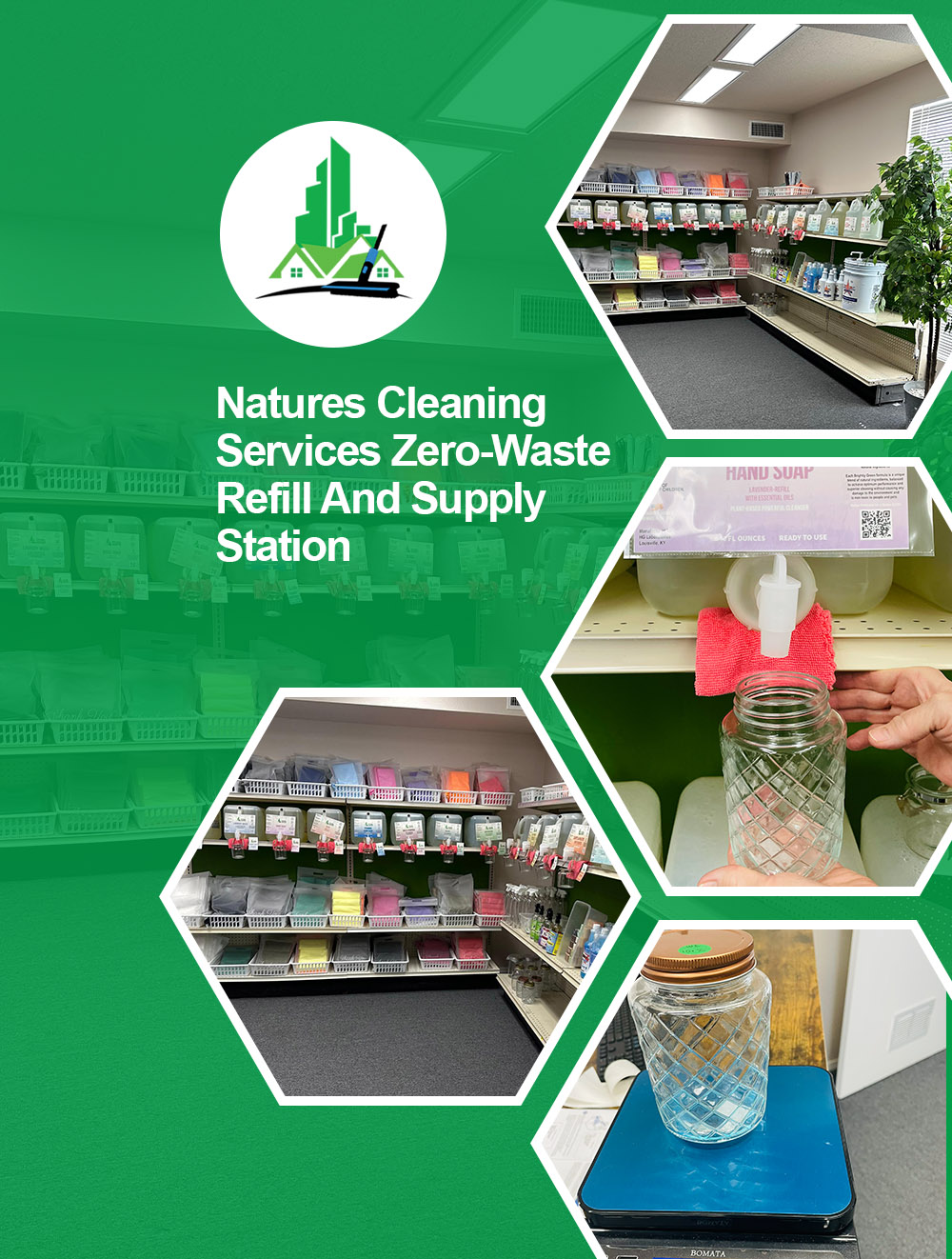
At Natures Cleaning Services, customized cleaning plans allow the method to fit the space instead of forcing every client into a chemical-heavy routine. That means giving everyday cleaning the attention it deserves while recognizing when a specialized sanitation protocol is appropriate.
A Safer Routine That Still Gets Results
The most effective cleaning routine is consistent. Wiping a spill promptly, cleaning food-prep surfaces after use, vacuuming or mopping regularly, and keeping bathrooms from accumulating soap residue prevents grime from turning into a major project. This approach reduces the need for aggressive products later.
For household cleaning, keep one dependable plant-based all-purpose cleaner for most hard surfaces and use a product designed for specific tasks such as glass, floors, or stubborn bathroom buildup when needed. Use clean microfiber cloths and change them between rooms or tasks so you are lifting dirt away rather than spreading it around.
When disinfection is necessary, clean first and follow the disinfectant label exactly. Pay attention to contact time, ventilation, surface compatibility, and storage. Never improvise with chemical combinations. If someone in the home has respiratory concerns, if pets are nearby, or if children are likely to touch the area, allow the surface to dry completely and follow every safety direction before returning the space to normal use.
The Better Standard Is Thoughtful Cleaning
Bleach is not inherently bad, and plant-based cleaning is not a shortcut. Each has a role. Bleach may be the right tool for a limited, clearly defined disinfecting job. Plant-based cleaners are often the better fit for the everyday work of keeping homes and businesses fresh, comfortable, and ready for the people who rely on them.
Don’t compromise your health for a clean home. Choose products and practices based on the surface, the mess, and the people in the room. A thoughtfully cleaned space protects more than appearances – it supports the comfort, confidence, and well-being of everyone who walks through the door.