Are Plant Based Disinfectants Effective at Home?
A freshly cleaned kitchen can look spotless and still have germs on the refrigerator handle, faucet, or counter where raw food was prepared. That is why the question, are plant based disinfectants effective, deserves more than a quick yes or no. The right product can be effective, but only when it is formulated, tested, and used for the specific job at hand.
For families, pet owners, and businesses that want a healthier indoor environment, plant-based options can be a meaningful part of a safer cleaning routine. The key is knowing the difference between cleaning, sanitizing, and disinfecting – and not relying on a label color, a pleasant scent, or the word “natural” as proof of germ-killing performance.
What “plant-based” actually means
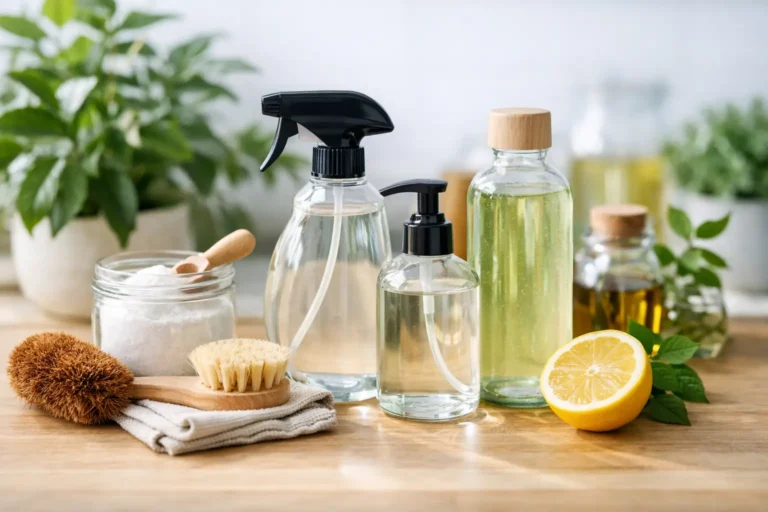
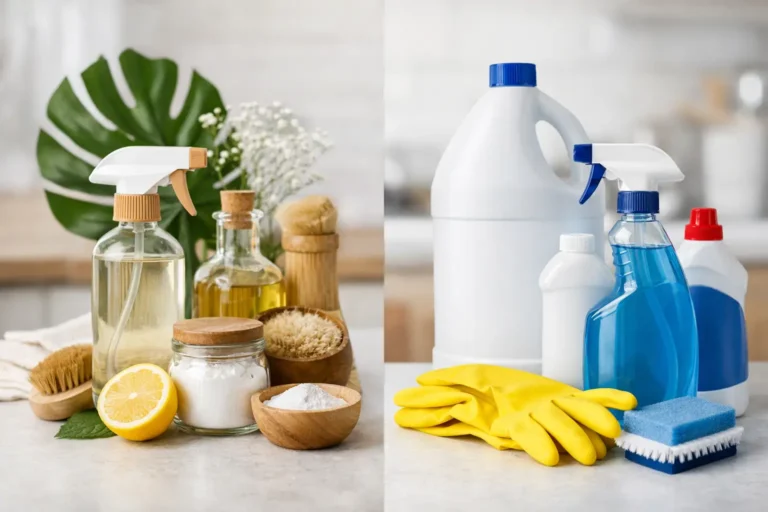
Plant-based cleaning products use ingredients that are derived in whole or in part from renewable plant sources. These may include surfactants made from coconut or corn, citric acid, ethanol, thymol, or botanical oils. Their formulas are often designed to reduce reliance on harsh chemical ingredients and may be a better fit for homes and workplaces concerned about fumes, residues, and environmental impact.
But plant-based does not automatically mean disinfectant. Many plant-based products are excellent general-purpose cleaners. They remove grease, dust, fingerprints, soap scum, and everyday soil. That work matters because dirt and residue can give germs a place to hide.
A disinfectant, however, has a more specific job: it must kill or inactivate certain germs on a hard, nonporous surface. To make that claim, the product needs tested active ingredients and directions that explain which organisms it is designed to address. A homemade vinegar spray, essential-oil blend, or castile soap solution may be useful for routine cleaning, but it should not be treated as a proven disinfectant.
Are plant based disinfectants effective against germs?
Yes, plant-based disinfectants can be effective when they are registered and used according to their label directions. Certain botanical-derived active ingredients have demonstrated antimicrobial performance against listed bacteria and viruses. The label should clearly identify the product as a disinfectant and explain its approved uses.
The important phrase is “when used correctly.” Disinfecting is not the same as spraying a surface and wiping it away immediately. Most products require a specific contact time, meaning the surface needs to remain visibly wet for a set number of minutes. If it dries too soon or is wiped off too quickly, the product may not perform as claimed.
Effectiveness also depends on the germ involved. A product may be designed for common household bacteria and some viruses but not others. Some germs are more difficult to kill than others, and there is no single cleaner that is the best choice for every situation. Always rely on the product’s stated claims rather than assuming that a plant-based formula handles every pathogen.
Cleaning first makes disinfecting work better
Disinfectant works best on a surface that is already clean. Crumbs, grease, food residue, mud, and grime can interfere with the active ingredients. On a heavily soiled kitchen counter, bathroom vanity, or office break-room table, start by cleaning away visible dirt before applying the disinfectant.
This two-step approach is especially useful in busy households with children and pets. It also matters in commercial spaces where many people touch the same surfaces throughout the day. Door handles, shared desks, light switches, restroom fixtures, waiting-room tables, and break-room appliances can all benefit from focused cleaning followed by disinfection when the situation calls for it.
Routine cleaning is often enough for low-risk daily messes. Disinfection becomes more useful after illness in the home, during periods of increased respiratory illness, after raw meat preparation, in shared bathrooms, or in high-traffic workplaces. A clean space should feel comfortable and cared for, not saturated with chemicals unnecessarily.
How to choose an effective plant-based disinfectant
Look beyond front-label marketing. A credible disinfectant should provide clear, usable information about what it does and how to use it. If the label only says “cleans,” “deodorizes,” or “freshens,” it is not making a disinfecting claim.
When selecting a product, check for these practical details:
- An EPA registration number and explicit disinfecting directions
- The germs or categories of germs the product is proven to address
- The required contact time for the surface to stay wet
- Surface compatibility instructions, especially for natural stone, unfinished wood, electronics, and specialty flooring
- Safety directions for ventilation, storage, and use around children and pets
An EPA registration does not mean a product is completely risk-free. It means the product has been reviewed for its intended use and that its claims are supported when used as directed. Even gentler formulas should be kept out of children’s reach, never mixed with other products, and used with reasonable ventilation.
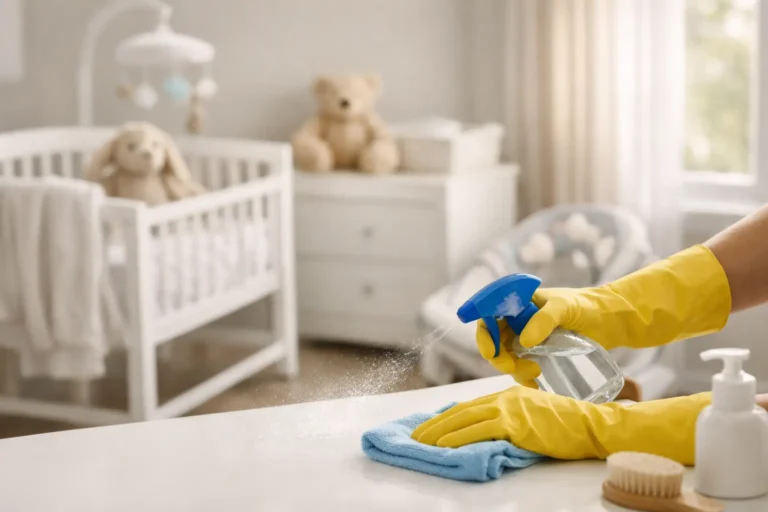
For homes with pets, remember that “natural” ingredients can still cause irritation if misused or if a pet walks through wet product and licks its paws. Let treated surfaces dry fully, follow dilution instructions if applicable, and use the right product for the surface.
Where plant-based options make the most sense
For regular home care, plant-based cleaning and disinfecting products can offer an effective balance of cleanliness and peace of mind. They are often a strong choice for frequently touched hard surfaces, kitchen and bathroom maintenance, and routine commercial cleaning when the formula is appropriate for the task.
They can be particularly helpful for people who are sensitive to strong fragrances or harsh fumes. That said, fragrance-free is not always the same as plant-based, and plant-based is not always fragrance-free. People with asthma, allergies, or chemical sensitivities should review ingredient information carefully and test products in a small area when needed.
In schools, dental offices, medical clinics, and other regulated settings, cleaning decisions may be shaped by industry requirements, infection-control protocols, or specific facility policies. Those spaces may need products with claims for particular pathogens or a more rigorous disinfection schedule. Choosing a lower-impact product is valuable, but it should never come at the expense of required health and safety standards.
Common mistakes that reduce disinfecting results
The biggest mistake is using too little product or removing it too fast. Spraying a counter once and immediately drying it with a towel may make it look clean, but it may not deliver the stated disinfecting result. Read the label, apply enough product to keep the surface wet for the required time, then allow it to air dry or wipe only if the directions say to do so.
Another common problem is using disinfectant on a dirty surface. Clean first when there is visible soil. Also avoid using a disinfectant on surfaces it was not designed for. Some formulas can dull stone, damage certain finishes, or leave residue on food-contact surfaces that need a final water rinse.
Finally, do not confuse more disinfecting with better cleaning. Repeatedly applying any disinfectant where simple cleaning would do can add cost, leave residue, and increase unnecessary exposure. A thoughtful routine is safer, more sustainable, and easier to maintain.
A healthier standard for clean spaces
The best cleaning plan protects people without overlooking performance. For most homes and offices, that means using plant-based cleaners for daily soil and messes, then choosing a proven disinfectant for high-touch surfaces and higher-risk moments. It is a practical approach that respects both health and the environment.
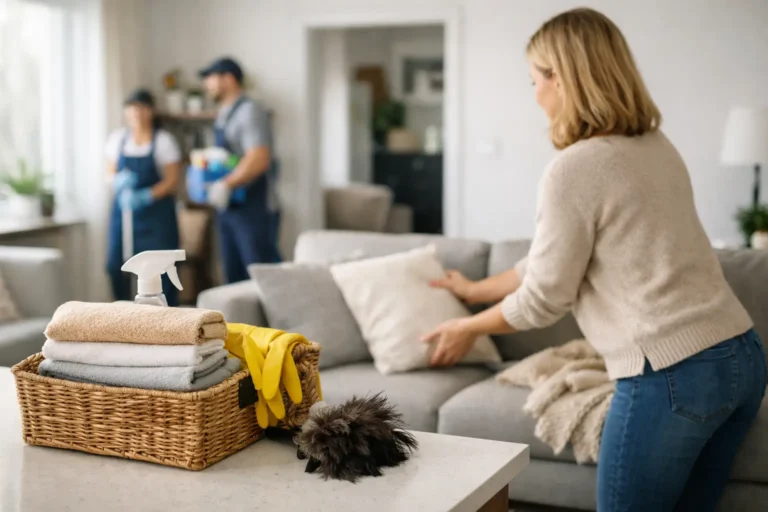
At Natures Cleaning Services, we believe you should not have to compromise your family’s comfort, your employees’ well-being, or New Mexico’s natural beauty for a genuinely clean space. When professional care is needed, ask what products are being used, what they are designed to do, and how they are applied. A trustworthy cleaning plan should give you clear answers – and the confidence to enjoy the space you call home or work.