Green Cleaning for Allergies That Works
When your nose starts running right after the house looks spotless, the problem may not be the dust alone. For many families, green cleaning for allergies is less about following a trend and more about avoiding the irritating mix of fragrance, residue, and airborne particles that conventional cleaning can leave behind.
A truly clean space should feel easier to breathe in. That matters even more in homes with children, pets, or anyone dealing with seasonal allergies, asthma, or chemical sensitivity. It also matters in workplaces, where staff and visitors should not have to choose between a polished environment and indoor comfort.
Why green cleaning for allergies matters
Allergy symptoms are often blamed on obvious culprits like pollen, pet dander, and dust mites. Those are real triggers, but cleaning products can make the situation worse. Strong scents, bleach-based fumes, and certain disinfectants can irritate the nose, throat, eyes, and lungs, especially when ventilation is poor.
That does not mean every conventional product is harmful in every setting. It does mean that if someone in your home or office is already reactive, product choice and cleaning method matter just as much as how often you clean. A heavy chemical smell is not proof that a surface is cleaner. In many cases, it is simply another source of irritation.
Green cleaning takes a different approach. It focuses on removing dirt, dust, and buildup while reducing exposure to unnecessary additives, harsh fumes, and residues. For allergy-prone households, that shift can make routine cleaning feel less like a trigger and more like relief.
What actually triggers symptoms during cleaning
People often think allergies flare because cleaning stirs everything up. That is partly true. Dusting, sweeping, and changing linens can send particles into the air for a short time. But there is usually more going on.
Fragrances are a common issue. Even products labeled fresh or clean can contain scent compounds that bother sensitive people. Aerosol sprays can also linger in the air and spread irritants farther than expected. Some disinfecting products leave residues on counters, floors, and bathroom surfaces, which can be a concern for children and pets who touch those areas often.
Technique matters too. Dry dusting can move allergens around instead of removing them. A worn mop can spread dirty water from room to room. Vacuuming without proper filtration may blow fine particles back into the air. In other words, a product marketed as green is only part of the solution. The process has to support healthier indoor air too.
The best green cleaning approach for allergy-prone spaces
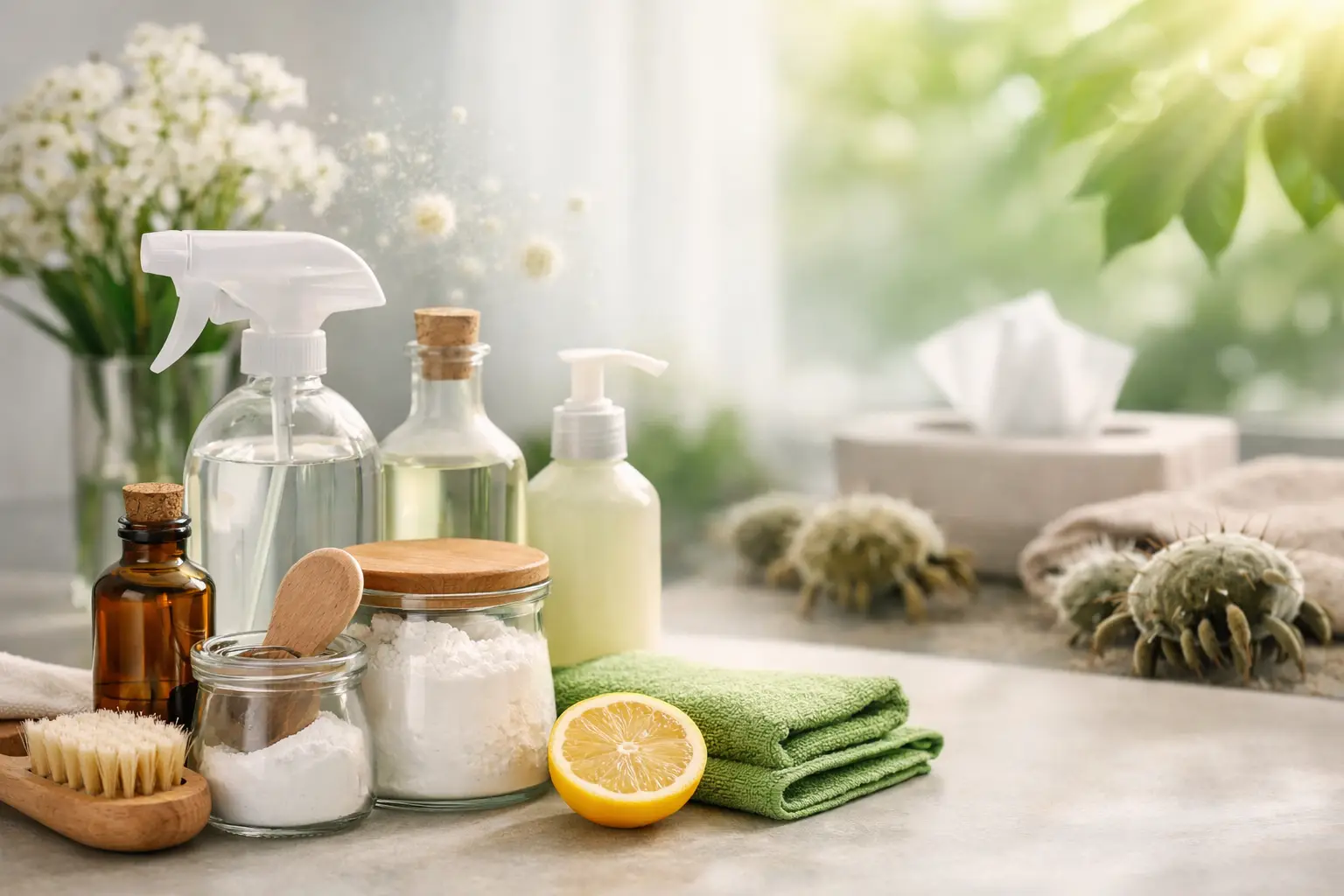
If your goal is fewer reactions, the best cleaning plan is simple, consistent, and low-residue. Plant-based and non-toxic products are a strong starting point, but they work best when paired with methods designed to capture allergens rather than scatter them.
Microfiber cloths help because they trap dust more effectively than old cotton rags or feather dusters. Damp dusting is usually better than dry dusting for the same reason. HEPA-filter vacuums can make a major difference in homes with carpet, rugs, upholstered furniture, or pets because they help contain fine particles instead of recirculating them.
Bathrooms and kitchens need a balanced approach. These are the rooms where people often reach for the strongest chemicals, yet they are also the spaces where residue and fumes can become most concentrated. A safer green product can still clean soap scum, grease, and everyday grime when the right dwell time and tools are used. Sometimes the trade-off is that a gentler product needs a bit more time or agitation to do the job. That is a fair exchange for many families who want a healthier environment.
Where allergens hide between cleanings
The biggest sources of irritation are not always the most visible ones. Baseboards collect dust quietly. Ceiling fans push particles down into the room. Upholstered dining chairs, fabric headboards, blinds, and air vents often hold more dust than people realize.
Floors deserve special attention, especially in high-traffic homes. Dirt, pollen, and outdoor debris get tracked in daily, then ground into rugs and corners. In a dry climate like New Mexico, fine dust can build quickly, even in homes that look tidy at a glance. Regular floor care, including mopping with low-tox products and vacuuming with proper filtration, can noticeably reduce what is floating through the air.
Grout lines are another overlooked problem area. They can trap grime, moisture, and buildup that routine surface wiping misses. Deep cleaning those details is not just about appearance. It can help create a fresher, healthier bathroom or kitchen overall.
How often should you clean if allergies are an issue?
There is no perfect schedule for every home or business. It depends on pets, flooring, local dust levels, how many people are in the space, and whether anyone has more severe sensitivities. Still, consistency usually matters more than intensity.
A home with pets and kids may benefit from weekly cleaning, with extra attention to floors, bathrooms, and touchpoints. A quieter household may do well with biweekly service if daily upkeep is manageable. Offices, clinics, and other commercial spaces often need more frequent care because of shared surfaces, foot traffic, and the need to maintain a comfortable environment for staff and guests.
Deep cleaning also plays an important role. If allergens have been building up for months, routine maintenance alone may not be enough to reset the space. Starting with a thorough deep clean, then moving to recurring service, is often the most effective path for people who want lasting results without constant stress.
Choosing products without falling for greenwashing
Not every product labeled natural is a smart choice for allergy-sensitive cleaning. Some still contain heavy fragrances or ingredients that can irritate skin and airways. Others are marketed well but do not clean effectively, which leads people to overuse them or mix in stronger chemicals later.
A better standard is to look for products that are non-toxic, low-residue, and effective on real household messes. Unscented or lightly scented options are often the safer choice for allergy concerns. The goal is not just to avoid the harshest chemicals. It is to clean thoroughly without leaving behind something else your family or staff has to breathe in.
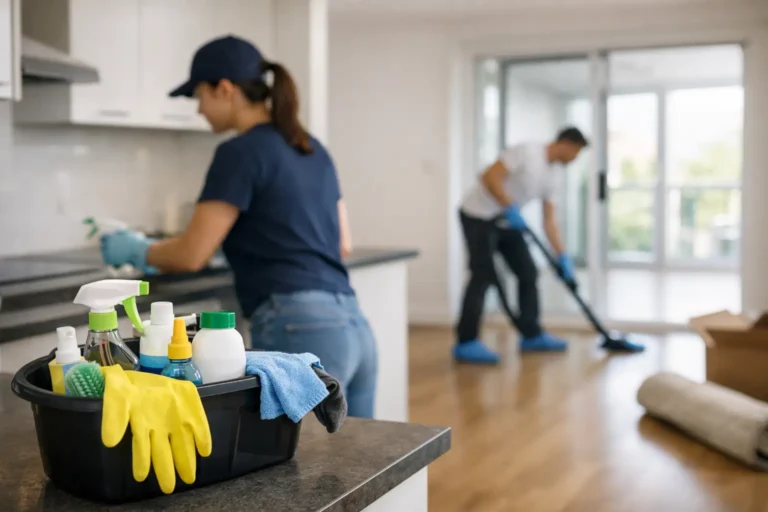
This is where professional support can help. An experienced eco-conscious cleaning team understands which products work on which surfaces, how to avoid cross-contamination, and how to clean thoroughly without creating a cloud of irritants. That can be especially valuable in homes with sensitive children, pets, or residents recovering from illness.
Green cleaning for allergies at home and at work
Homeowners are not the only ones thinking about indoor air quality. Business owners are paying more attention too, and for good reason. Employees who spend all day in an office, clinic, or showroom notice when a space smells harsh or feels stuffy after cleaning. Clients notice it too.
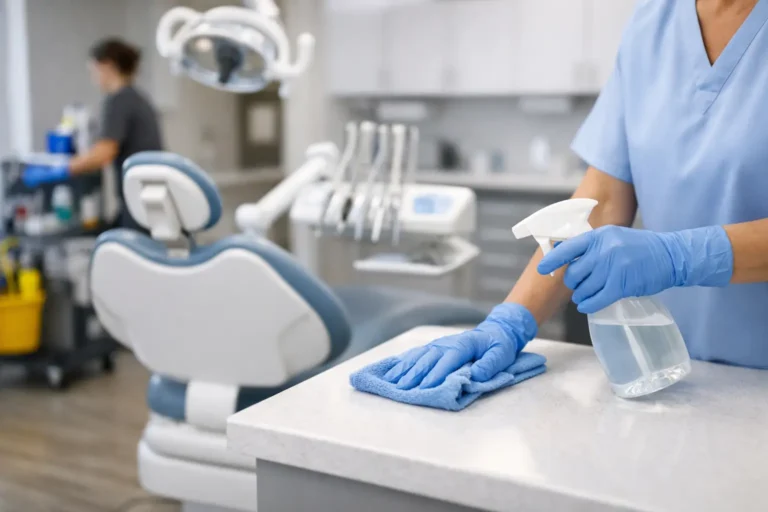
Green cleaning for allergies makes sense in professional settings because it supports both appearance and comfort. Medical offices, dental practices, schools, and professional workplaces all need dependable cleaning, but that does not have to mean overwhelming chemical exposure. A more thoughtful approach can help maintain a polished space while being more considerate of staff, patients, customers, and visitors.
In Albuquerque-area homes and businesses, dry air and dust can make that balance even more valuable. Cleaning methods that reduce airborne particles instead of stirring them up are not just a wellness preference. They are practical.
When professional cleaning is the better option
Some people can manage allergy-friendly cleaning on their own with the right products and tools. Others simply do not have the time, energy, or equipment to stay ahead of it. If cleaning itself leaves you sneezing, congested, or irritated for hours afterward, handing that task to professionals may be one of the simplest ways to protect your health.
A dependable service should do more than make a room look neat. It should follow a consistent process, use safer products, and tailor the work to your needs. That might mean focusing on pet hair, reducing fragrance exposure, deep cleaning before a move, or setting up recurring visits so allergens do not pile up again.
For families and businesses that want a cleaner space without harsh chemical trade-offs, that kind of support offers real peace of mind. Natures Cleaning Services is built around that idea – cleaning thoroughly while helping protect the people, pets, and places that matter most.
The goal is not perfection. It is a home or workplace that feels clean, cared for, and easier to live in every day.