How to Clean Pet Odors Naturally at Home
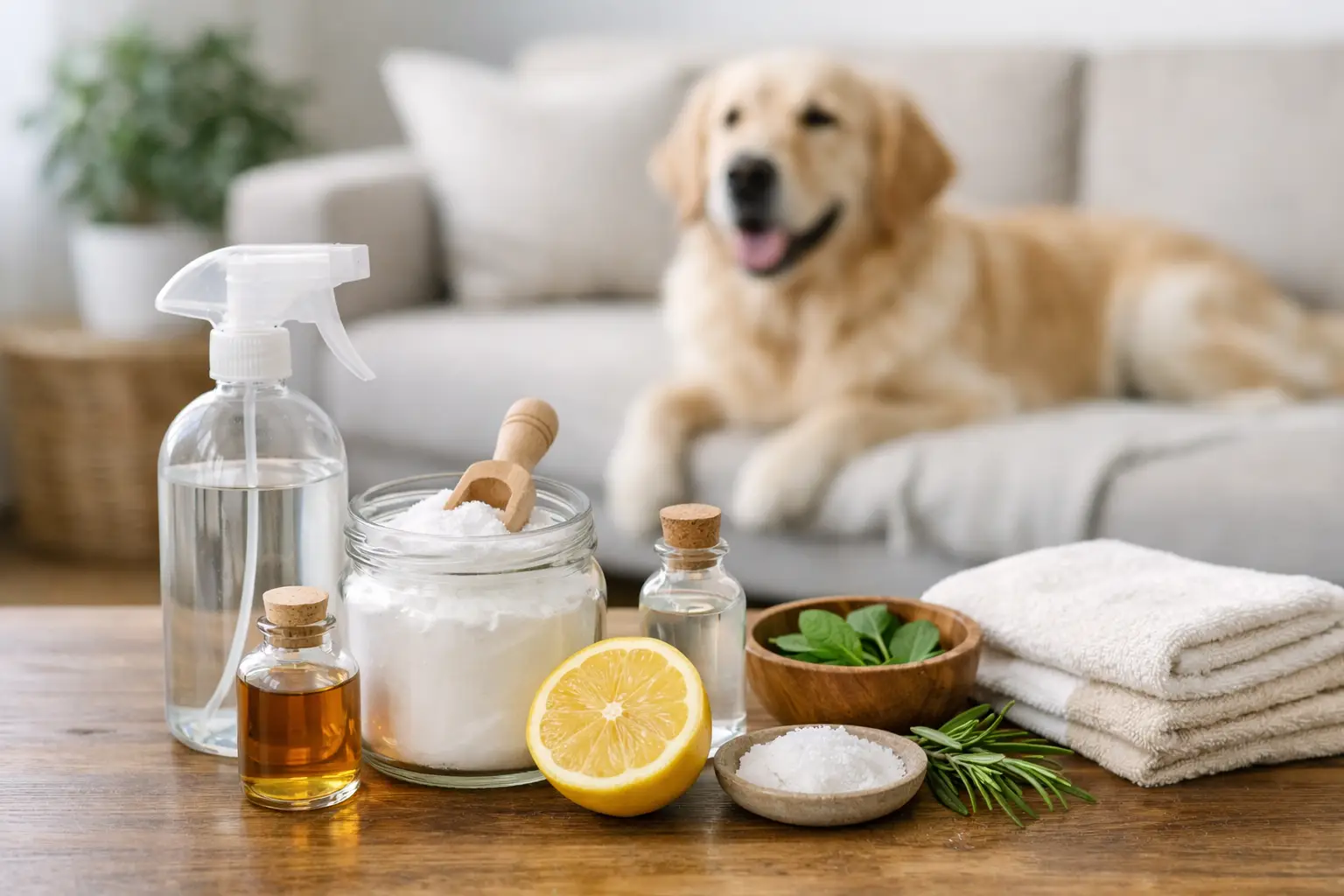
A pet accident can leave more behind than a visible spot. In Albuquerque’s dry climate, urine may seem to disappear quickly, but odor-causing residue can stay deep in carpet fibers, upholstery, grout, or pet bedding. Knowing how to clean pet odors naturally means treating the source, not covering it with a stronger scent. The goal is a home that feels genuinely fresh and remains safe for the people and animals who live there.
Why pet odors keep coming back
Pet odors are persistent because the material causing them is often below the surface. Urine can soak through carpet into the backing and padding. On hard floors, it can settle into grout lines, seams, and small scratches. A surface may look clean after a quick wipe, yet warm weather, humidity, or even a little moisture can reactivate the smell.
That is why heavily fragranced sprays tend to disappoint. They may temporarily mask an odor, but they do not remove the residue that creates it. Some conventional products also leave behind strong chemical fumes or residues that are unpleasant for sensitive family members, pets, and visitors.
Natural cleaning works best when it combines prompt action, enough contact time, and gentle ingredients matched to the surface. It is not about using one miracle product for every mess.
How to clean pet odors naturally from fresh accidents
Start by blotting, not scrubbing. Place clean, absorbent towels over the area and press firmly to lift as much liquid as possible. If the accident is on carpet, stand on the towel for a few seconds to apply even pressure. Replace the towel and repeat until it comes away nearly dry.
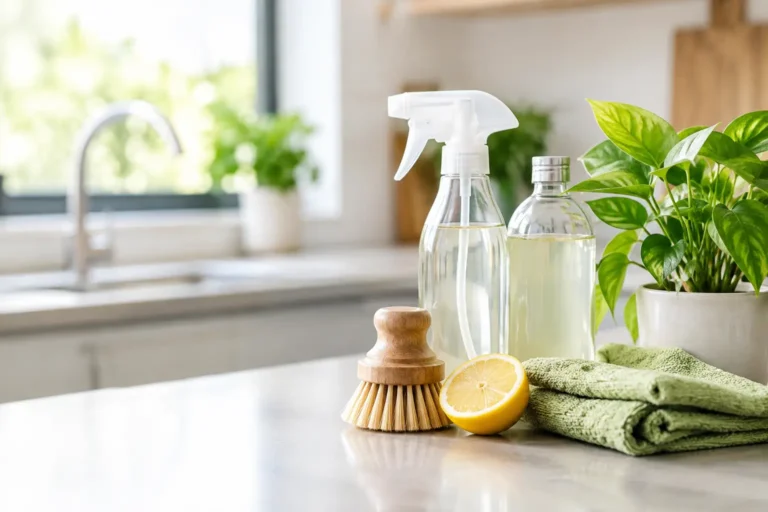
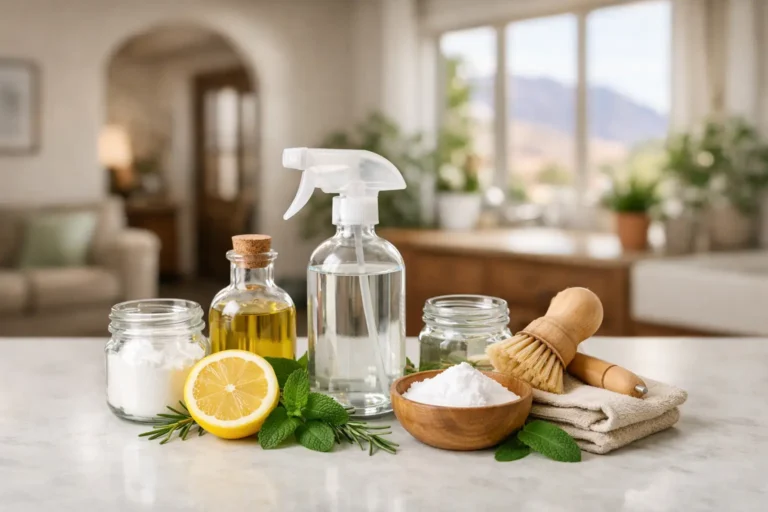
For most washable, colorfast fabrics and many sealed hard surfaces, mix equal parts distilled white vinegar and cool water in a spray bottle. Lightly apply it to the affected area, allowing enough moisture to reach where the accident reached, without soaking a carpet unnecessarily. Let it sit for about 10 minutes, then blot again with clean towels.
Vinegar can help neutralize alkaline urine residue, but it is not right for every material. Do not use it on natural stone, unsealed grout, hardwood, or other surfaces that can be damaged by acid. For these areas, use a small amount of mild, plant-based dish soap in warm water, wipe carefully, and dry the surface thoroughly.
Once a carpet or fabric area is mostly dry, sprinkle plain baking soda over it. Leave it for several hours or overnight, then vacuum slowly and completely. Baking soda helps absorb lingering odors, especially after the underlying residue has been lifted.
Let the area dry all the way
This step is easy to skip and makes a real difference. Damp carpet padding, blankets, and pet beds can develop a musty smell that gets mistaken for leftover urine. Open windows when weather allows, run a ceiling fan, or use a fan aimed across the area. Good airflow supports a cleaner indoor environment without adding more fragrance to the room.
Treating old pet urine smells in carpet and upholstery
Older stains need a little more patience. First, identify the full affected area. A UV flashlight can be useful for locating dried pet urine that is no longer visible in normal light. Mark the spots with a small piece of tape so you can treat them thoroughly.
Vacuum the area before applying anything. Then test your cleaning solution in an inconspicuous location, particularly on upholstery, wool rugs, or colored carpet. If the fabric does not discolor, lightly apply the vinegar-and-water solution, wait 10 to 15 minutes, and blot thoroughly. Avoid aggressive rubbing, which can spread the residue and roughen fibers.
If odor remains after the area has dried, a pet-safe enzymatic cleaner may be the better choice. Enzyme cleaners are not always homemade, but many are plant-based and made without harsh solvents or overpowering perfumes. They work by breaking down the organic material behind urine, feces, and vomit odors. For a deep-set accident, they are often more effective than vinegar alone.
Follow the product directions closely. Enzymes need time and moisture to work, so applying too little product or drying it immediately can limit results. Never mix an enzyme cleaner with vinegar, bleach, peroxide, or another cleaner. Combining products can reduce effectiveness and may create unwanted fumes or residues.
For odors that return from the same carpet spot, the problem may have reached the padding or subfloor. Repeated treatments can help, but severe cases may require professional carpet or floor cleaning. Addressing it early can prevent a small accident from becoming a larger restoration issue.
Natural pet odor cleaning for hard floors
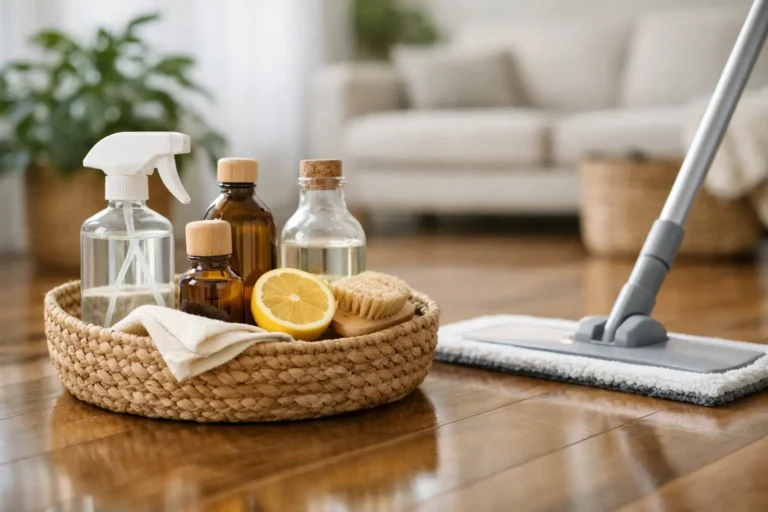
Hard floors need a different approach because excess water can cause damage. On sealed tile, vinyl, laminate, or sealed concrete, remove solids first, then clean the area with a soft cloth and a mild soap-and-water solution. Wipe again with a clean damp cloth and dry immediately.
Tile can hold odor in grout, particularly around litter boxes, pet feeding stations, and doorways. Baking soda mixed with just enough water to form a soft paste can be gently worked into grout with a small brush. Let it sit briefly, scrub lightly, rinse with a damp cloth, and dry well. If the grout remains discolored or smells musty, it may need a more thorough professional cleaning rather than stronger chemicals.
For hardwood, use as little liquid as possible. Blot accidents immediately, then wipe with a barely damp cloth and a wood-safe, non-toxic cleaner. If urine has seeped between boards or beneath a finish, avoid saturating it with homemade solutions. Too much moisture can warp wood and push odor deeper. A flooring professional can help determine whether the finish, boards, or subfloor need attention.
Keep litter areas and pet bedding from spreading odor
A fresh litter box area starts with frequency, not fragrance. Scoop daily, remove tracked litter often, and wash the box with warm water and a mild unscented soap when changing litter. Dry it fully before refilling. Strongly scented litter may smell clean to people, but some cats find it irritating and may avoid the box.
Wash pet bedding, washable toys, blankets, and crate pads regularly using a fragrance-free detergent. Add a half-cup of white vinegar to the rinse cycle for washable fabrics if the care label allows it. Air-drying in sunlight can also help refresh sturdy items, although delicate fabrics should be dried according to their label.
Do not overlook collars, harnesses, and the small rugs near doors. These items collect oils, dander, and outdoor smells over time. A consistent washing routine keeps odor from moving through the rest of the home.
Avoid common natural-cleaning mistakes
Natural does not automatically mean harmless on every surface. Essential oils are a frequent concern. Oils such as tea tree, eucalyptus, citrus, peppermint, and pine can be irritating or toxic to pets, especially when concentrated or used in diffusers. A clean home should not come at the cost of your pet’s health.
Avoid using bleach on urine. Bleach can react with ammonia compounds and create hazardous fumes. Also skip steam cleaning a urine spot before it has been fully treated. Heat may set proteins and make the odor more difficult to remove from fabric.
Finally, do not rely on baking soda as the only treatment for a wet accident. It is helpful as a finishing deodorizer, but it cannot reliably remove the organic residue beneath the surface on its own.
When a professional clean is the healthier choice
If you have tried careful cleaning and the odor still returns, there is no need to keep layering products over the same area. Persistent odor can point to saturated carpet padding, contaminated grout, old pet stains from a previous resident, or buildup in upholstery that needs more than spot treatment.
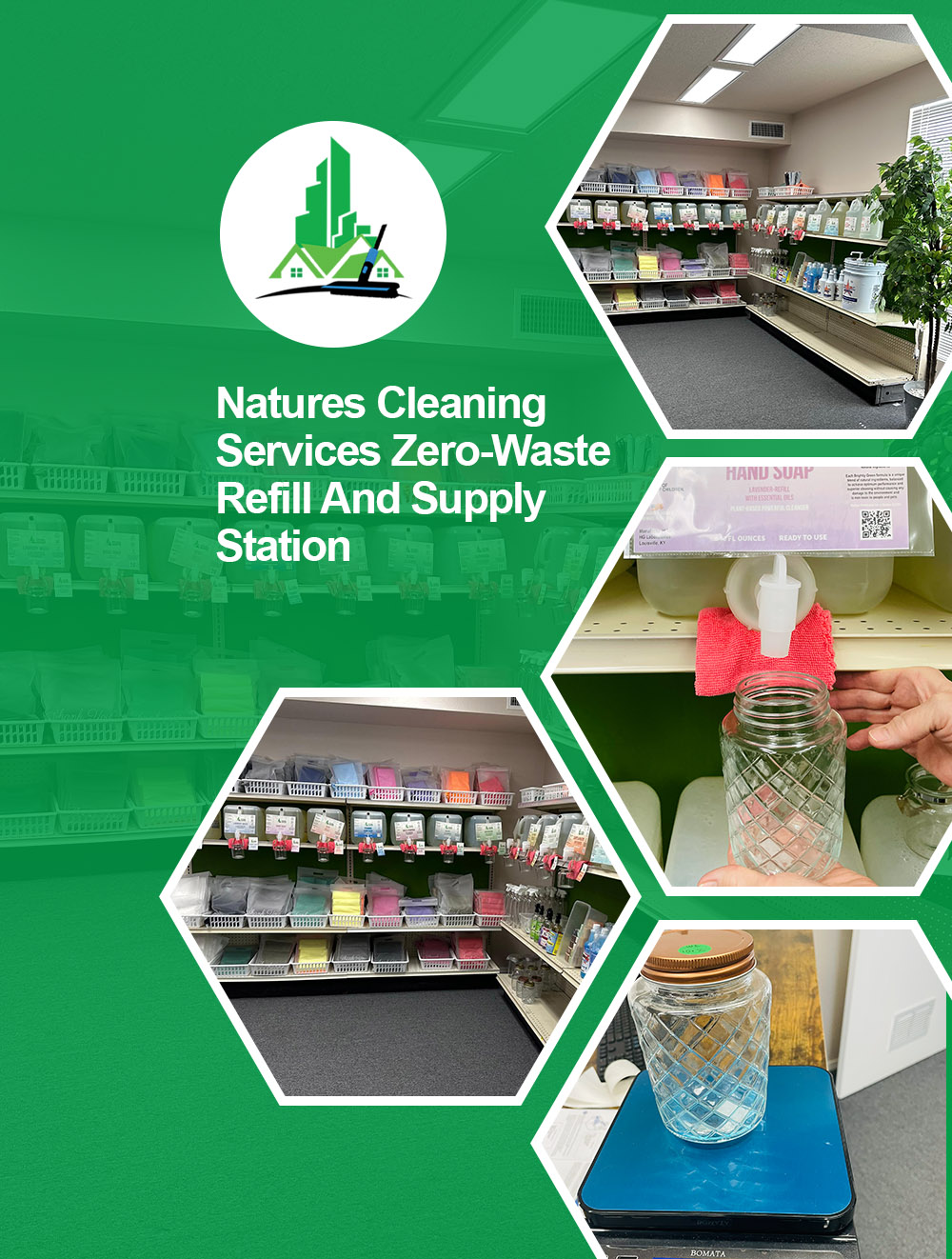
For families and businesses in Corrales and the surrounding area, Natures Cleaning Services provides plant-based, non-toxic cleaning options designed to support a fresher space without chemical-heavy residue. Professional help is especially useful before a move, after fostering animals, when preparing a home for guests, or when a workplace needs to stay welcoming for clients and employees.
A home with pets will never be sterile, and it should not have to smell like perfume to feel clean. Prompt care, safe products, and a little patience protect the comfort of your household while honoring the animals who make it home.