Can Professional Cleaners Remove Pet Odors?
A room can look spotless and still announce that a pet lives there. The lingering smell is often strongest after the house has been closed up, when guests arrive, or when warm New Mexico weather brings odor back out of carpet and upholstery. So, can cleaners remove pet odors? In many cases, yes – but lasting results depend on finding the source, treating it properly, and cleaning more than the surface.
Pet odors are not a sign that you do not care for your home. Dogs, cats, and other companion animals bring enormous joy, along with tracked-in soil, oils, fur, dander, and the occasional accident. A thoughtful cleaning plan can protect the comfort of your family, your pets, and everyone who walks through the door without relying on harsh, heavily fragranced chemicals.
Can Cleaners Remove Pet Odors Permanently?
Professional cleaners can remove many pet odors when the odor-causing material is still accessible and the correct treatment is used. This includes odors trapped in area rugs, carpet fibers, upholstery, hard floors, pet beds, baseboards, and the overlooked corners where fur and dander collect.
The key is that odor removal is different from odor masking. Air fresheners, scented sprays, and strongly fragranced products may cover a smell for a few hours, but they do not remove the urine residue, pet oils, bacteria, or embedded soil causing it. In some homes, adding fragrance to an existing odor makes the air feel heavier rather than cleaner.
A thorough service addresses the source. That may involve vacuuming with detail work along edges, washing appropriate surfaces, treating affected fabric, and using methods that lift residue rather than simply spreading it around. Plant-based, non-toxic products can be highly effective when they are chosen for the surface and soil being treated. You should not have to compromise your health or your pet’s comfort for a genuinely clean home.
Still, no cleaning company should promise that every pet odor can disappear in one visit. If urine has soaked through carpet backing into the pad or subfloor, the odor may return when humidity rises. Older stains, repeated marking in the same spot, and damage beneath flooring can require deeper restoration, specialty treatment, or replacement of affected materials.
Why Pet Odors Keep Coming Back
Most recurring pet odor issues are not caused by a failure to clean often enough. They happen because residue remains below the visible surface. A small accident can travel farther into carpet than expected, particularly on absorbent padding. As moisture or heat reactivates the residue, odor molecules move back into the air.
Pet hair and dander create a different kind of challenge. They hold natural oils and settle into upholstery seams, rugs, vents, fabric window treatments, and floor edges. A quick vacuum of the center of the room may make the space look better while leaving odor-producing debris behind furniture and along baseboards.
Hard surfaces can contribute, too. Grout, textured tile, unfinished wood, laminate seams, and poorly sealed concrete can retain residue. Bathrooms, mudrooms, entryways, and the space around litter boxes often need more focused attention than the rest of the home.
For commercial spaces, the same principle applies. An office that welcomes employees’ service animals or has pet traffic from clients needs regular attention to flooring, entry mats, seating, and common areas. A fresh-smelling workplace helps clients and staff feel cared for, particularly in medical offices, schools, and professional settings where indoor air quality matters.
What a Professional Pet Odor Cleaning Service Can Treat
A dependable cleaner begins by assessing where the odor is strongest and what materials are involved. Cleaning methods should be customized because carpet, tile, upholstery, sealed wood, and natural stone do not respond to the same products or amount of moisture.
For routine pet-related odors, professional cleaning commonly focuses on the following areas:
- Carpets and rugs that collect fur, dander, tracked-in dirt, and pet oils
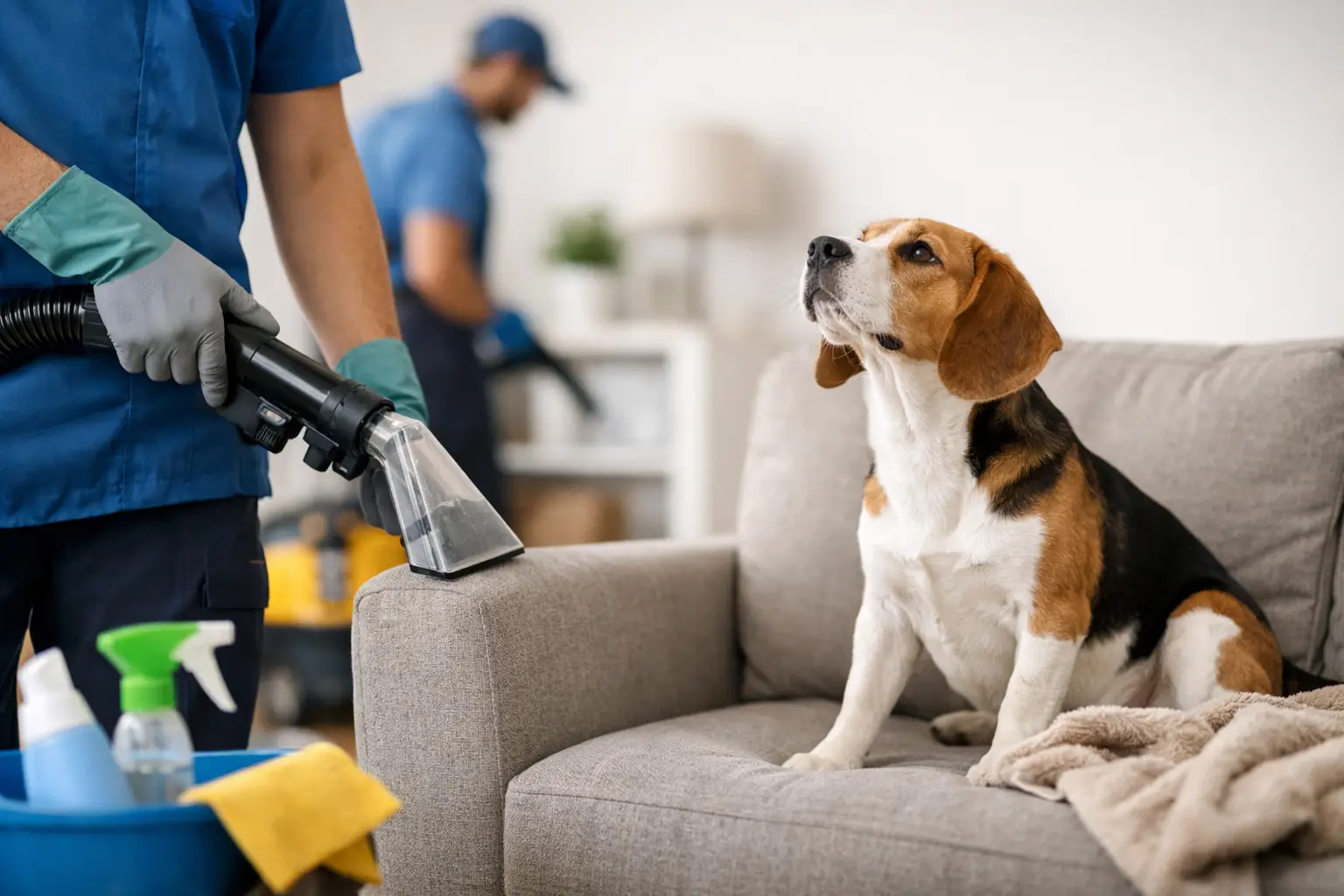
- Upholstered furniture, cushions, and fabric-covered pet-friendly seating
- Hard floors, baseboards, corners, and low-traffic areas where debris builds up
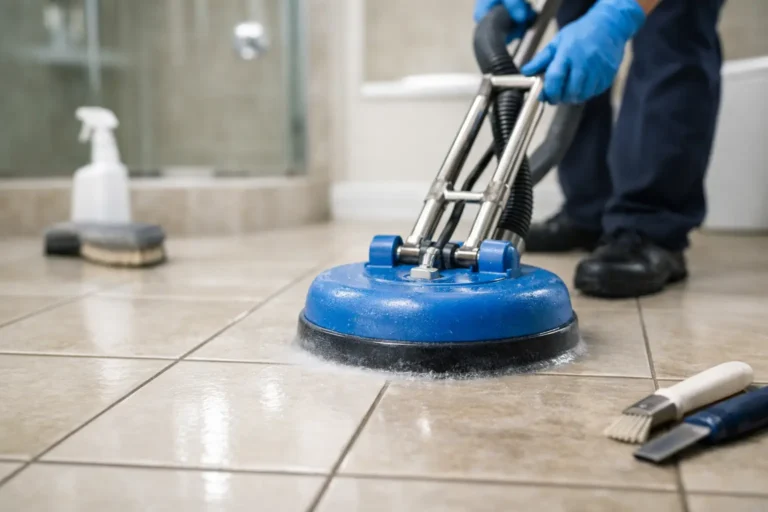
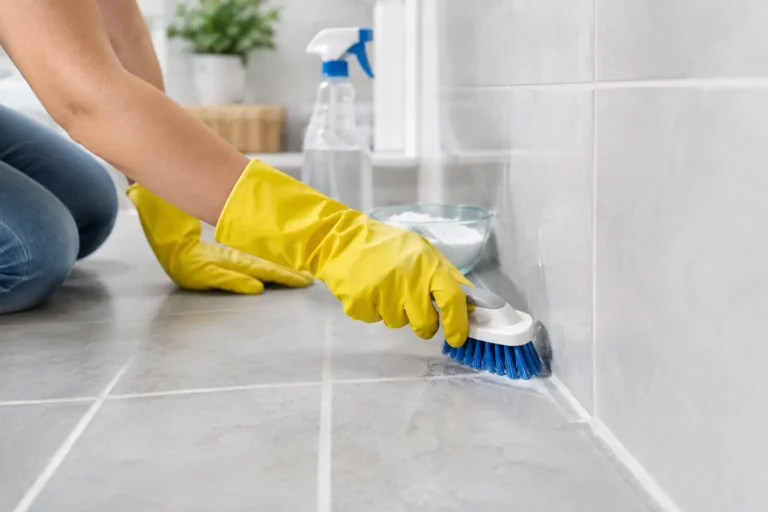
- Grout and tile near feeding stations, litter boxes, or frequent accident areas
- Move-in and move-out spaces where a previous pet odor needs to be identified and addressed
The goal is a home that smells neutral and feels clean, not one that smells like an artificial perfume aisle. This is especially valuable for households with children, pets, allergies, scent sensitivities, or concerns about conventional chemical-heavy cleaning products.
When Cleaning Alone Is Not Enough
There are times when the responsible answer is that deeper repair is needed. If a pet has repeatedly urinated in one area, moisture may have reached the carpet pad, tack strips, subfloor, or even a wall base. Surface cleaning can improve the smell significantly, but it cannot fully remove contamination from materials that are no longer reachable.
Signs that the problem may be beneath the surface include an odor that returns after rainy weather or steam cleaning, a strong smell in one exact location, visible staining along carpet edges, or a smell that becomes noticeable when the room warms up. Black-light inspection and moisture assessment can help locate old accident areas, although not every stain will be visible.
In these situations, the best path may include specialty odor treatment, professional carpet extraction, sealing a subfloor after removal of damaged flooring, or replacing padding and carpet. That can sound frustrating, but accurately identifying the limit of cleaning prevents you from spending repeatedly on products that only provide temporary relief.
How to Keep Pet Odors From Building Up
A regular cleaning routine makes a significant difference because it removes the everyday material that turns into odor over time. Vacuum carpets and upholstered furniture regularly, paying attention to edges, under furniture, and your pet’s favorite resting places. Wash pet bedding frequently using a pet-safe detergent, and clean food bowls and feeding mats before oils and crumbs build up.
When accidents happen, blot promptly rather than scrubbing. Scrubbing can push liquid farther into the carpet and damage fibers. Use a treatment made for pet accidents that is appropriate for the material, then allow the area to dry fully. If the accident is extensive or the odor remains after treatment, bringing in a professional early is often easier and more affordable than waiting for it to become a recurring issue.
It also helps to manage the sources you can control. Keep litter boxes clean, groom pets regularly, wipe paws after muddy walks, and use washable throws on favorite furniture spots. Good ventilation supports fresher indoor air, but opening a window alone will not solve an odor that is embedded in fabric or flooring.
Choosing a Safer Approach for Pets and Families
Pet owners are right to ask what products are being used around their animals. Pets spend more time close to the floor, lick their paws, nap on rugs, and may be more sensitive to concentrated fragrances or chemical residues. A safer cleaning approach uses products and methods selected with people, pets, and the environment in mind.
That does not mean every natural product works for every problem, or that more product is always better. Effective cleaning comes from matching the solution, dwell time, agitation, and extraction method to the job. The right process removes soil and odor residue while treating your home with care.
For families and businesses in Albuquerque, Rio Rancho, Corrales, and surrounding communities, Natures Cleaning Services provides customized, plant-based cleaning designed to support healthier indoor spaces. A recurring clean can help manage everyday fur and dander, while deep cleaning, floor cleaning, and grout cleaning can target the places where stubborn odors tend to settle.
A fresh home should smell like your home, not like a cover-up. When pet odors persist, start with the source, choose cleaning methods that respect your family and animals, and get deeper help when the materials beneath the surface need attention.