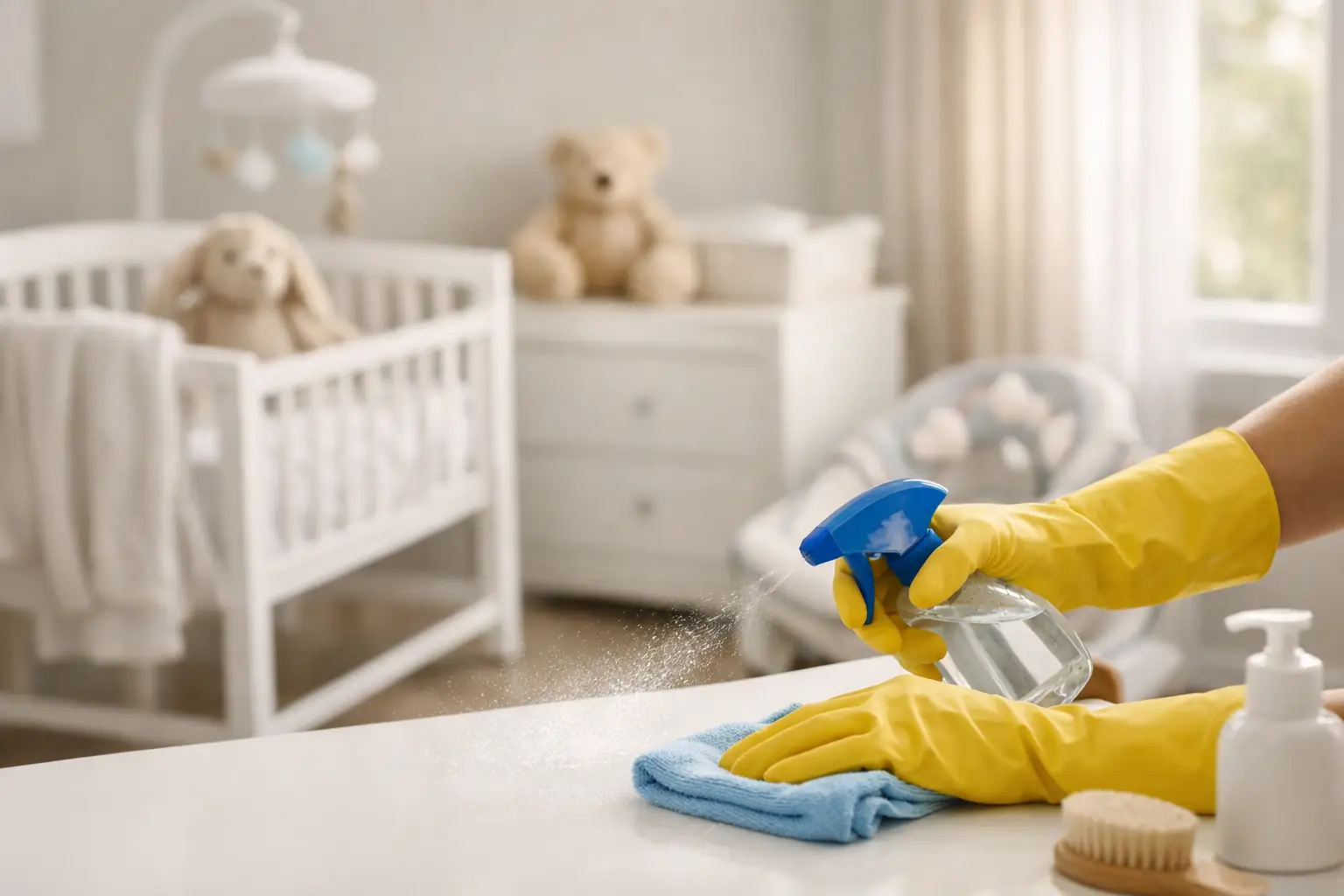
Deep Cleaning Before Baby for a Safer Home
The nesting urge can make every baseboard, cabinet, and closet suddenly feel urgent. But deep cleaning before baby is not about creating a picture-perfect home before labor begins. It is about making the spaces where you will feed, rest, recover, and spend long days with your newborn feel healthier, more manageable, and less stressful.
A thoughtful clean now can reduce dust, pet hair, grime, and lingering odors without filling your home with harsh chemical fumes. The goal is a clean foundation that supports your family, not an exhausting checklist that leaves you worn out. Start with the areas that matter most, choose safer products, and give yourself permission to leave the less important tasks for later.
Why Deep Cleaning Before Baby Is Worth It
Newborns spend a great deal of time close to floors, soft surfaces, and the air inside your home. While no home can or should be sterile, removing built-up dust and residue can make a meaningful difference in the comfort of your space. This is especially valuable for families with pets, allergies, older carpeting, or homes that have been closed up during dry, windy New Mexico weather.
There is also a practical benefit. In the first weeks after birth, everyday tasks such as vacuuming under furniture or scrubbing a shower can feel impossible to prioritize. A deep clean gives you a reset, so routine upkeep is simpler when your attention belongs with your baby and your own recovery.
The trade-off is energy. Pregnancy can bring fatigue, back pain, nausea, or restrictions from your care provider. If a task involves heavy lifting, climbing, strong odors, or prolonged scrubbing, it is better to delegate it than push through discomfort.
Start With the Rooms You Will Use Every Day
You do not need to clean every corner of the house in one weekend. Focus first on the rooms that will carry the most daily traffic: the bedroom, bathroom, kitchen, living area, and nursery or baby sleep space. If you have time and energy afterward, move on to storage spaces, guest rooms, and less-used closets.
Bedroom and Recovery Space
Your bedroom may become your recovery space, especially during those early nights when rest comes in short stretches. Wash bedding, pillow covers, and blankets according to their care labels. Vacuum beneath the bed and along the edges of the room, where dust and pet hair tend to collect.
Wipe nightstands, lamps, window sills, and door handles with a non-toxic cleaner. Make room for the items you will reach for often, such as water, snacks, medications, chargers, burp cloths, and a dim nightlight. This is less about organizing perfectly and more about removing friction from your routine.
Kitchen and Feeding Areas
A clean kitchen matters because you will likely rely on quick meals, easy snacks, and constant dishwashing. Deep clean the refrigerator shelves, wipe cabinet fronts, and clear expired food from the pantry. Give special attention to the sink, faucet handles, microwave, and high-touch appliance surfaces.
For the refrigerator, avoid heavily fragranced products around food storage areas. A mild plant-based cleaner and a clean damp cloth are usually enough for shelves and drawers. Let surfaces dry fully before returning food.
If you are setting up a bottle station, clean the counter area where bottles and pump parts will air-dry. You do not need to disinfect every inch of the kitchen daily. Regular washing with hot, soapy water for feeding equipment, combined with clean storage and good handwashing, is the more sustainable routine.
Bathroom
The bathroom deserves focused attention because it is both a high-touch area and a place where you may spend extra time during postpartum recovery. Clean the toilet exterior, sink, faucet, shower, tub, and bathroom floor. Wipe switch plates, cabinet pulls, and door handles as well.
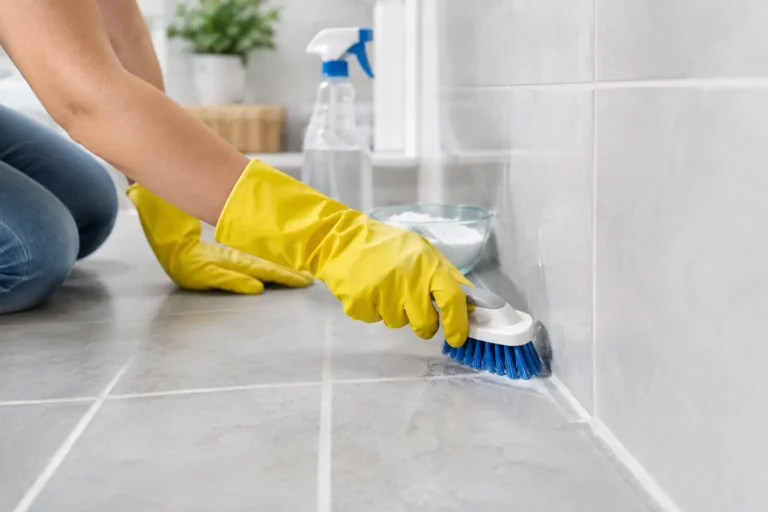
Look closely at grout, caulk, and shower corners. Discoloration can be harmless staining, but persistent moisture or visible mold should not be ignored. Small surface issues may respond to appropriate cleaning and better ventilation. Larger or recurring mold problems often need professional assessment and repair, since cleaning alone will not solve the moisture source.
Stock the bathroom with toilet paper, hand soap, clean towels, and a small covered trash can. These practical details are more helpful than a bathroom that only looks spotless for a day.
Living Room and Main Floors
Your living room may become command central for feedings, visitors, tummy time, and much-needed naps on the couch. Vacuum upholstered furniture, including under cushions and along seams. If your sofa has washable covers, clean them before baby arrives. Wipe side tables, remotes, lamp switches, and frequently touched surfaces.
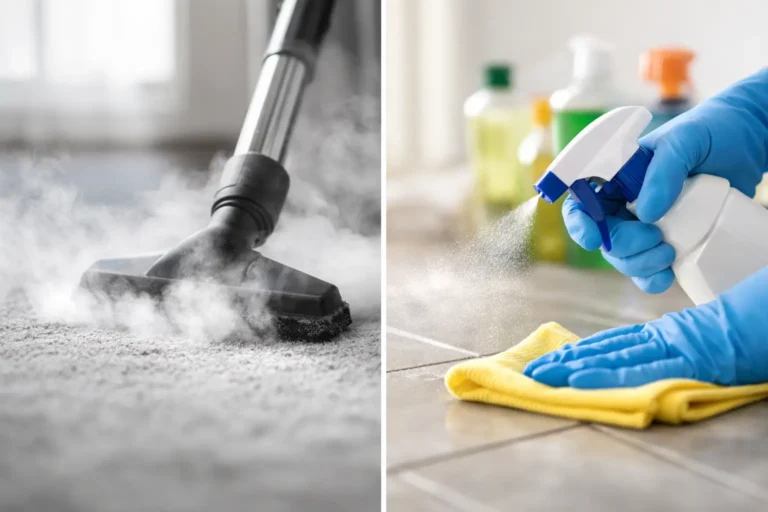
Floors deserve more attention than usual. Vacuum carpets slowly enough to lift embedded dust, then use an appropriate low-residue cleaner for hard floors. Avoid applying too much liquid to wood or laminate, which can lead to damage. For rugs, consider whether a professional cleaning is worthwhile, especially if there are pet odors, old spills, or allergy concerns.
Nursery or Baby Sleep Space
The nursery does not need to be finished down to the smallest decorative detail. What matters most is a clean, calm room with a safe sleep setup. Dust the walls, window sills, blinds, ceiling fan, and furniture before bringing in freshly washed linens.
Wipe down the changing table, dresser, and crib exterior using a product that is appropriate for the surface. Allow everything to dry and air out. Wash baby clothes, swaddles, and sheets with a fragrance-free or lightly scented detergent if your family is sensitive to fragrance. Skip fabric softener sheets and heavily perfumed sprays, which can leave residue on fabrics.
Keep the crib simple. A firm mattress with a fitted sheet is the safe starting point. Blankets, pillows, bumpers, stuffed animals, and loose items can wait until baby is older.
Choose Products That Protect Your Indoor Air
A deep clean should not leave you with headaches, coughing, or fumes that linger in closed rooms. Strong chemical smells are not proof that a product is working. In fact, the safest effective approach is often to use the right product sparingly, follow directions, and improve ventilation while cleaning.
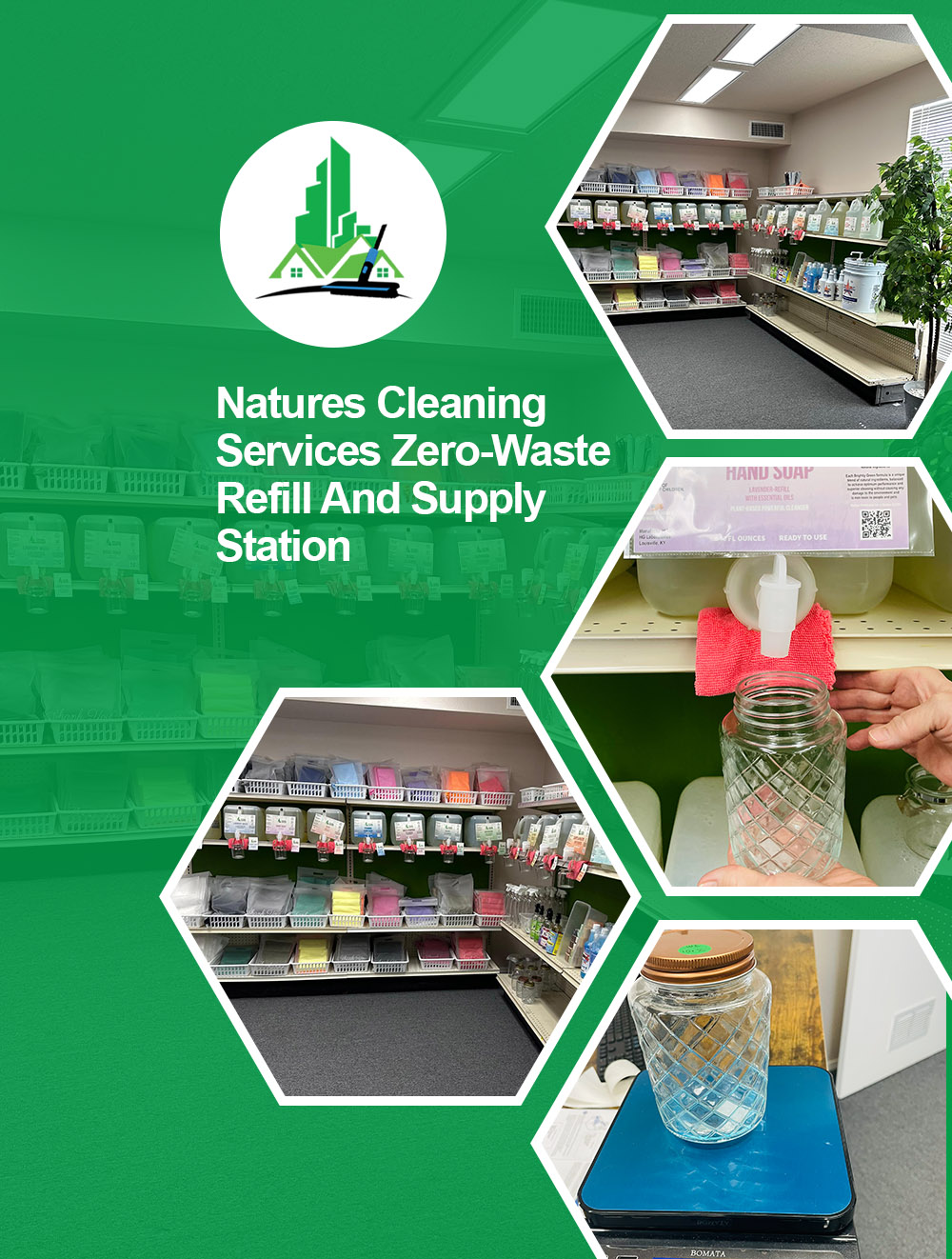
Look for plant-based, non-toxic cleaning solutions that are suited to the surface you are cleaning. Use microfiber cloths to capture dust rather than pushing it into the air. When using any product, even a gentler one, open windows when weather allows and never mix cleaners. Mixing products can create harmful fumes, particularly when bleach or ammonia is involved.
Disinfectants have a place when someone is ill or when a surface needs specific germ control, but they are not necessary for every routine cleaning task. Overusing them can add chemical exposure without making a family home meaningfully healthier. Cleaning first, then using targeted disinfection only when needed, is a sensible balance.
Make a Realistic Cleaning Timeline
If possible, begin the deeper work four to six weeks before your due date. This gives you flexibility if appointments, fatigue, or an early arrival change your plans. Complete physically demanding jobs first, such as floors, showers, appliances, and areas behind furniture. Save lighter work, including laundry and final nursery dusting, for the last one to two weeks.
Break work into short sessions. One room or one category per day is enough. For example, clean the kitchen one day, wash linens the next, then handle the bathroom later in the week. A slow, steady plan is more likely to get finished than an ambitious all-day cleaning marathon.
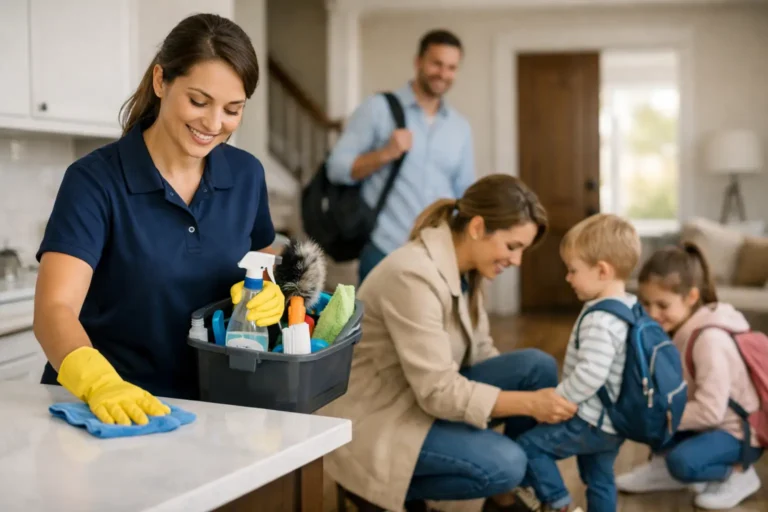
If you are moving, managing a high-risk pregnancy, caring for other children, or simply running out of energy, professional help can be a practical form of support. A service such as Natures Cleaning Services can handle detailed home cleaning with plant-based products, allowing you to prepare your space without compromising your health for a clean home.
Tasks You Can Safely Let Go
Some projects are satisfying but not essential before a baby arrives. Sorting every photo box, color-coding every closet, polishing unused silver, or cleaning the garage from top to bottom can wait. Your home does not need to be guest-ready at all times, and it does not need to look like a catalog.
Instead, aim for clean air, clean floors, a functional bathroom, a stocked kitchen, and a comfortable place to sleep. Those are the conditions that will support you when life becomes beautifully unpredictable.
When the last load of baby laundry is folded, take a moment to sit in the clean room you prepared. The best result is not a flawless home. It is the peace of knowing your family has a safer, cared-for space waiting for them.