Best Non Toxic Floor Cleaners for a Safer Home
A clean floor should not leave behind a chemical smell that makes you wonder what your family and pets are breathing. The best non toxic floor cleaners remove tracked-in dirt, kitchen splatters, pet messes, and everyday buildup without asking you to compromise your indoor air or the surfaces beneath your feet.
For busy households and workplaces, the right product is not simply the one with the greenest-looking label. It needs to match your floor material, clean effectively with minimal residue, and offer clear ingredient information. That combination is what creates a clean space that feels genuinely healthier.
What Makes a Floor Cleaner Non-Toxic?
“Non-toxic” can be a helpful starting point, but it is not a tightly regulated promise on its own. A product can use natural imagery or words such as green, plant-based, or eco-friendly while still containing ingredients that cause irritation or leave a strong fragrance behind. Reading beyond the front label matters.
A safer floor cleaner should clearly identify its ingredients or provide straightforward access to them. Look for formulas made without chlorine bleach, ammonia, phthalates, harsh solvents, and heavy synthetic fragrance. Fragrance is worth special attention because a pleasant scent does not automatically mean a product is safer for people with asthma, allergies, young children, or sensitive pets.
The most dependable formulas are often concentrated plant-based cleaners or low-residue ready-to-use products. They use surfactants to lift soil and oils from the floor, so they can be wiped away instead of spread around. A cleaner does not need to smell aggressively perfumed or feel harsh on your skin to do its job well.
The Best Non Toxic Floor Cleaners by Floor Type
There is no single best choice for every room. Hardwood, natural stone, vinyl, and tile all react differently to moisture and acidity. Using a cleaner that is safe for the wrong surface can still cause dullness, streaking, swelling, or damaged grout over time.
Sealed hardwood and engineered wood
For sealed wood floors, choose a pH-neutral cleaner specifically approved for hardwood or multi-surface floors. A lightly damp microfiber mop is usually more effective than a wet mop because excessive water can work into seams, warp boards, and weaken finishes.
Avoid using vinegar as a regular wood-floor cleaner. Although it is a familiar household ingredient, its acidity may dull some finishes with repeated use. Oil-heavy DIY mixtures are also a poor fit because they can leave the floor slick and attract more dust. The best choice is a low-residue, pH-balanced formula followed by a dry microfiber pass if moisture remains.
Tile and grout
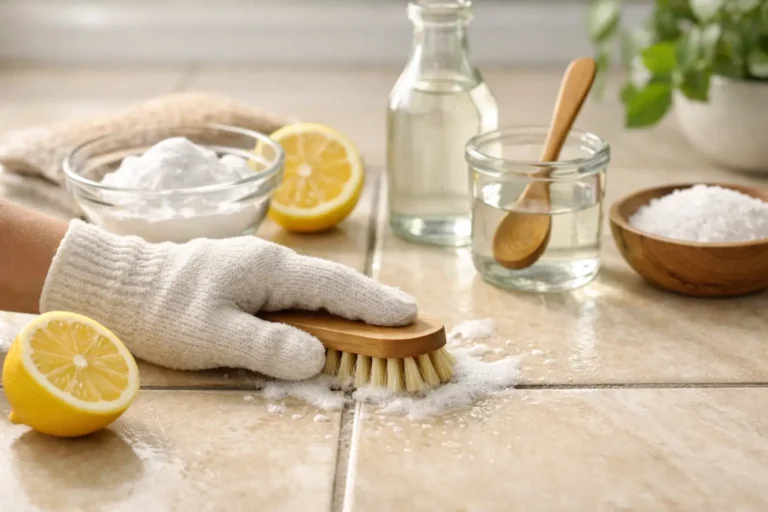
Ceramic and porcelain tile can tolerate many gentle plant-based cleaners, making them among the easiest floors to maintain with safer products. A neutral or mildly alkaline floor cleaner handles ordinary soil, while a soft brush can help loosen buildup along grout lines.
Grout needs a more thoughtful approach. It is porous unless properly sealed, so avoid flooding it with water or reaching for harsh bleach as a default. Persistent darkening may be caused by trapped soil, soap residue, mineral deposits, or moisture issues. Professional grout cleaning can be the better answer when scrubbing no longer delivers a consistent result.
Natural stone
Marble, travertine, limestone, slate, and other natural stone surfaces deserve special care. The best non toxic floor cleaner for stone is always pH-neutral and labeled as safe for natural stone. Acidic ingredients, including vinegar, lemon juice, and many DIY cleaners, can etch polished stone and create dull spots that are difficult to repair.
Use a small amount of cleaner, a soft microfiber mop, and clean water only when the product instructions call for rinsing. Less product is usually better. If your stone floor looks hazy, the issue may be residue rather than dirt.
Laminate and luxury vinyl plank
Laminate and luxury vinyl plank are popular because they are durable, but both can lose their finish when cleaned with too much water, waxy products, or abrasive scrubbers. Use a pH-neutral, no-rinse cleaner in a very light application. Spray the mop pad rather than soaking the floor whenever possible.
Skip steam cleaning unless the flooring manufacturer specifically allows it. Heat and moisture can affect seams and adhesive layers, especially on older flooring. A microfiber mop paired with a gentle, low-residue solution is usually the safer everyday routine.
What to Look for on the Label
The safest buying decision begins with transparency. You should be able to understand how to dilute the product, where it can be used, and what precautions are recommended. Be cautious of broad claims that do not explain what the formula contains or how it works.
When comparing options, prioritize four qualities:
- A full ingredient list or clear ingredient disclosure
- A pH level and surface-use guidance that match your flooring
- Low or no added fragrance, especially in homes with sensitivities
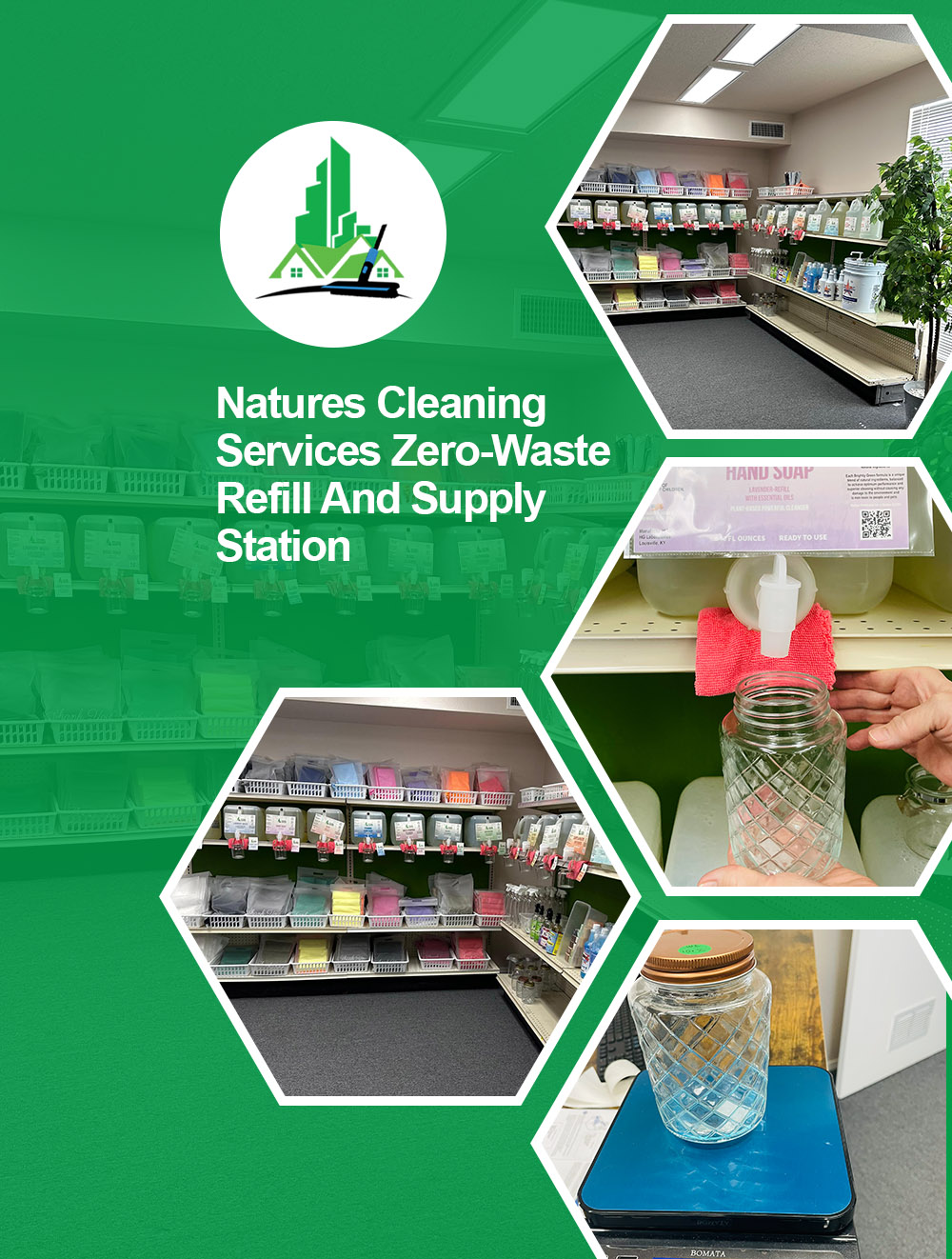
- A concentrated formula or refill option that reduces single-use plastic
Third-party certifications can also provide helpful screening, but they should not replace surface-specific instructions. A product can meet a safer-ingredient standard and still be unsuitable for unfinished wood or delicate stone. Always test a new cleaner in a small, out-of-the-way area first.
Clean Floors Without Leaving Residue Behind
Many people use more cleaner because the floor does not look clean immediately. In reality, excess product is one of the most common reasons floors feel sticky, look streaky, or collect dirt again quickly. This is especially noticeable in high-traffic Albuquerque-area homes, where dust and grit can travel in from outside.
Start by dry mopping or vacuuming with a hard-floor setting. Removing grit before wet cleaning protects the finish from tiny scratches. Then dilute your cleaner exactly as directed. A concentrated formula may need only a small amount in a bucket of water, while ready-to-use products should be applied lightly.
Microfiber is a practical partner for non-toxic cleaning because its fine fibers capture dust and soil with less product. Change or rinse mop pads when they become visibly dirty. Pushing dirty water across the entire floor may make a room smell clean, but it does not leave the surface truly clean.
For sticky spots, let a small amount of cleaner sit briefly before wiping instead of scrubbing aggressively. This gives the formula time to loosen food residue, dried mud, or paw prints. On delicate floors, use a soft cloth rather than a rough scouring pad.
When a Disinfectant Is Actually Needed
Cleaning and disinfecting are not the same task. Routine floor care usually requires cleaning, which removes soil and reduces the germs that travel with it. Disinfecting is more appropriate after certain illness-related messes, bodily-fluid accidents, or in settings with specific hygiene protocols.
If disinfection is necessary, choose a product approved for that purpose and follow its label directions carefully, including the required contact time. Do not mix cleaning products, even if each one seems gentle on its own. Combining chemicals can create irritating fumes or reduce effectiveness.
For many homes, schools, offices, and client-facing spaces, a consistent cleaning schedule with safer products is the foundation. Targeted disinfection can then be used when the situation calls for it, rather than becoming an everyday chemical burden.
A Safer Routine Is Easier to Keep
The best floor care plan is one your household or team can maintain. Entry mats, a shoes-off policy where practical, and quick response to spills will reduce the need for heavy-duty cleaning later. Regular dry mopping also makes wet cleaning faster and protects your flooring investment.
For deep buildup, move-in or move-out cleaning, neglected grout, or a commercial space that needs dependable care, professional support can take pressure off your schedule. Natures Cleaning Services uses plant-based, non-toxic solutions to help families, pets, employees, and guests enjoy a thoroughly clean space without the harsh chemical approach.
A safer floor cleaner is not about accepting less-than-professional results. It is about choosing products and methods that respect your surfaces, the people who use the space, and the New Mexico environment we all share.