Best Allergy Cleaners for a Healthier Home
A clean home can feel very different when allergies are part of daily life. Dust on baseboards, pet hair tucked into upholstery, pollen tracked in from outside, and residue left behind by harsh sprays can all make a space harder to enjoy. The best allergy cleaners do more than make surfaces look polished. They help remove common irritants without filling your home with strong fragrances or unnecessary chemicals.
For families, pet owners, and anyone sensitive to indoor air quality, the right approach is a combination of effective products, proper tools, and consistent cleaning habits. No single bottle solves every allergy concern, but a thoughtful cleaning routine can make a meaningful difference.
What Makes a Cleaner Better for Allergy-Prone Homes?
The label “allergy-friendly” is not a regulated promise that automatically guarantees a product will work for every person. Allergies and sensitivities vary. Someone may react most strongly to dust mites or pet dander, while another person is bothered by pollen, mold spores, fragrance, or chemical fumes.
A cleaner is a stronger choice for an allergy-conscious household when it has a simple ingredient profile, avoids added fragrances and dyes, and is designed to lift away soil rather than leave a heavy residue. Plant-based, non-toxic formulas can be especially helpful for routine cleaning because they support a healthier home without asking families to choose between cleanliness and comfort.
Still, product choice is only part of the job. The best cleaner cannot help much if dust is stirred into the air, a damp cloth is never rinsed, or floors are cleaned with a tool that redistributes debris. Allergy cleaning is about removal, not simply scent.
Best Allergy Cleaners by Cleaning Need
Different rooms collect different irritants, so it makes sense to use cleaners and tools that match the surface and the problem.
Fragrance-Free All-Purpose Cleaner for Hard Surfaces
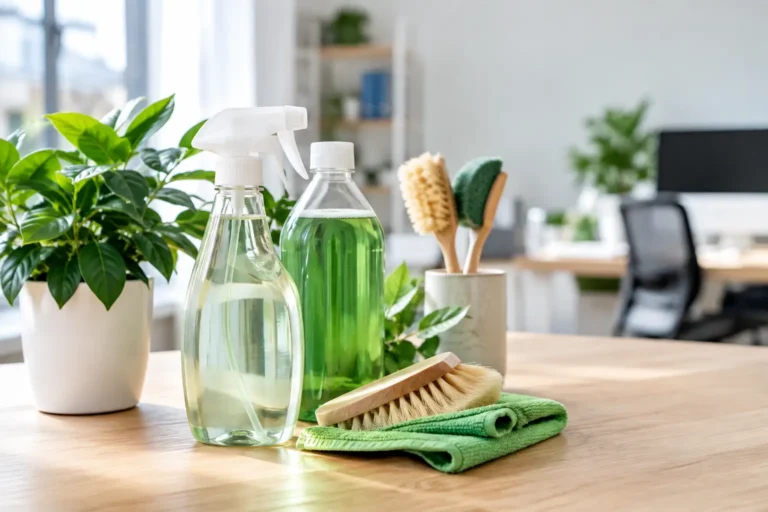
A fragrance-free, non-toxic all-purpose cleaner is often the most useful product to keep on hand. It can handle kitchen counters, sealed tables, door handles, light switches, bathroom surfaces, and other high-touch areas where dust, grime, and pollen settle.
Look for a formula that cleans without chlorine bleach, ammonia, or added perfume. Strong smells may create discomfort for people with asthma or chemical sensitivities, even when the product leaves a surface looking clean. A mild cleaner paired with a damp microfiber cloth is usually more effective for removing fine dust than spraying heavily and wiping with paper towels.
For stone, unfinished wood, or specialty surfaces, follow the manufacturer’s care instructions. Natural ingredients are not automatically safe for every material.
Enzyme Cleaner for Pet-Related Messes
Pets bring comfort, companionship, and sometimes dander, fur, and odors. Dander is not the hair itself. It consists of tiny flakes of skin and proteins that can cling to furniture, bedding, rugs, and floors. Regular vacuuming and laundering are the foundation, but enzyme-based cleaners can be useful for accidental pet messes that may otherwise leave odor or residue behind.
Choose an enzyme cleaner with low or no fragrance, especially in bedrooms and living areas. Test it in a small hidden spot first, particularly on carpet, upholstery, and delicate fabrics. For homes with significant pet allergies, cleaning upholstery and soft surfaces consistently matters as much as cleaning the visible floor.
Bathroom Cleaner That Handles Moisture Without Heavy Fumes
Bathrooms can collect soap residue and moisture that encourage mildew growth. A low-toxicity bathroom cleaner can help maintain tile, sinks, tubs, and toilets without turning a small room into a cloud of harsh fumes.
Ventilation remains essential. Run the exhaust fan during and after showers, wipe down wet shower walls when possible, and address leaks quickly. Cleaning products can remove surface buildup, but they cannot solve an ongoing moisture problem behind a wall, under flooring, or around a plumbing fixture. Persistent musty smells or visible mold growth may require professional evaluation.
Floor Cleaner for Dust, Pollen, and Everyday Tracking
Floors quietly collect much of what triggers allergy symptoms. Albuquerque-area winds and dry conditions can bring fine dust indoors, while shoes and pet paws carry in pollen and outdoor debris. A low-residue floor cleaner suited to your flooring type helps remove that buildup without leaving a film that attracts more dirt.
For sealed hard floors, damp mopping with a clean microfiber pad is generally more effective than using a soaking-wet mop. Change the water or rinse pads often. Otherwise, the dirt you picked up from the entryway may end up spread across the rest of the home.
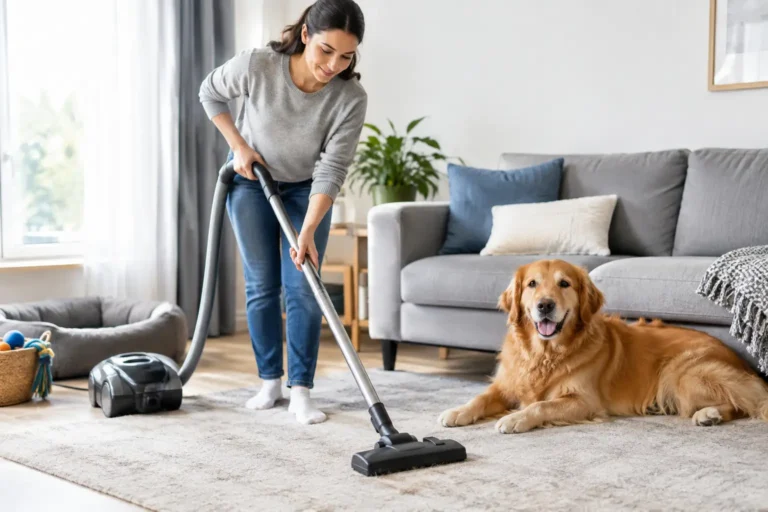
Carpet requires a different strategy. Vacuum slowly with a sealed machine that uses a high-efficiency particulate air, or HEPA, filter. The vacuum is often more important than the carpet spray. Periodic professional carpet cleaning can also help pull embedded soil and allergens from high-traffic areas.
The Tools Matter as Much as the Products
When people search for the best allergy cleaners, they often picture a spray bottle. In practice, a few well-chosen tools do much of the real work.
Microfiber cloths capture fine particles more effectively than dry dusters that can send debris airborne. Use them slightly damp for shelves, blinds, baseboards, ceiling fan blades, and furniture. Wash cloths after use, ideally without heavily scented detergent or fabric softener, which can leave fragrance behind.
A HEPA-filter vacuum is another valuable investment for homes with carpets, pets, or frequent allergy symptoms. Vacuum rugs, upholstered furniture, mattresses, and edges where dust gathers. Move slowly enough for the vacuum to pick up material rather than skim over it.
For bedding, washable protective covers on pillows and mattresses can help reduce exposure to dust mites. Wash sheets, pillowcases, and blankets regularly according to the fabric care label. If someone in the household has pronounced dust mite allergies, warm-water washing may be recommended by their health professional.
Common Cleaning Habits That Can Make Allergies Worse
A spotless-looking room can still hold irritants if the cleaning method is working against you. Dry sweeping is one example. It may collect larger crumbs, but it can also push fine dust into the air. Use a vacuum or a damp microfiber mop instead.
Overusing scented products is another concern. Plug-ins, fragranced candles, room sprays, and strongly perfumed cleaners can mask odors without removing their source. For people with sensitivities, that fragrance can become an irritant of its own. Fresh air, source removal, and regular cleaning are more reliable ways to keep a space comfortable.
Be cautious when mixing products. Combining cleaners can create dangerous fumes, particularly when bleach is involved. Use one product at a time, follow label directions, and keep cleaning supplies secured away from children and pets.
A Practical Allergy-Cleaning Routine
Consistency prevents the heavy buildup that makes cleaning harder and indoor air feel less comfortable. A realistic weekly routine for most homes includes vacuuming high-traffic floors and upholstery, damp-dusting surfaces, washing bedding, cleaning bathrooms, and wiping down entry areas where pollen and dirt enter.
During high-pollen periods, small daily habits can help. Leave shoes near the entry, wipe pet paws after outdoor walks, and keep windows closed when outdoor conditions are especially dusty or windy. If opening windows is part of your routine, it may still be enjoyable, but timing matters. Check local pollen and air-quality conditions, then adjust as needed.
Deep cleaning should reach the places that regular routines miss: under furniture, behind appliances, inside cabinet fronts, on blinds, along baseboards, and in grout lines. These areas are easy to overlook, but they often hold the dust that returns soon after a quick surface clean.
When Professional Cleaning Can Help
Busy families and business owners do not always have time to maintain an allergy-conscious routine at the level they would like. A professional cleaning team can provide the detailed work that is often postponed, including floor care, grout cleaning, upholstery-focused vacuuming, and deep cleaning of high-touch or high-dust areas.
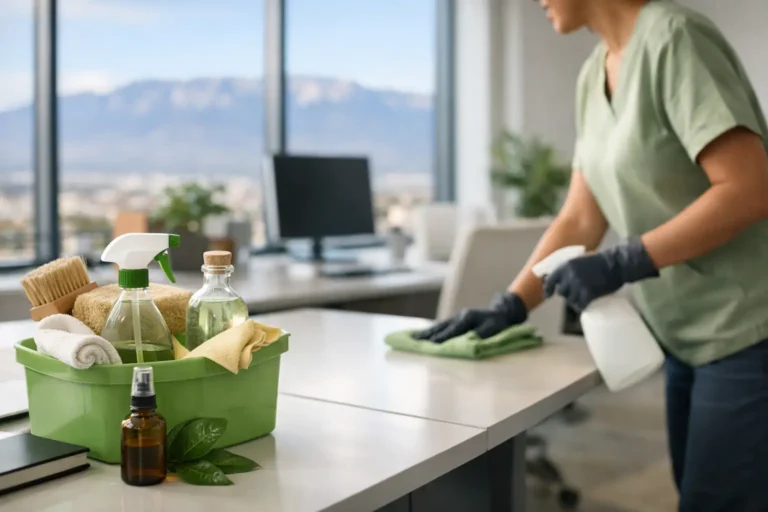
For offices, schools, clinics, and customer-facing workplaces, the product choice matters just as much as the cleaning schedule. Employees and visitors may have asthma, allergies, or sensitivities that are not immediately visible. Choosing non-toxic, plant-based cleaning methods can support a cleaner environment without the lingering chemical odor many people associate with commercial cleaning.
Natures Cleaning Services helps homes and workplaces in the Albuquerque area stay thoroughly clean with safer products and customized service plans. The goal is not to cover up a problem with fragrance. It is to remove the buildup that gets in the way of a healthier, more comfortable space.
A home does not need to smell like chemicals to be clean. Start with fewer, better products, use tools that capture rather than scatter dust, and give the overlooked places the attention they deserve. Those small choices can make every room feel easier to breathe in.