Pediatric Clinic Cleaning That Protects Young Patients
A waiting-room toy with a sticky surface, a smudged check-in counter, and an exam table that looks clean but was rushed between appointments can all affect how families feel the moment they walk in. Pediatric clinic cleaning is not simply about maintaining a polished appearance. It is about creating a space where children, parents, and healthcare staff can feel protected without filling the indoor air with harsh chemical odors or leaving irritating residues behind.
Young patients touch nearly everything. They hold armrests, play with activity tables, lean against reception counters, and place their hands on door handles before rubbing their eyes or putting fingers in their mouths. That reality calls for an intentional cleaning plan that balances thorough disinfection with products and practices chosen for sensitive environments.
Why Pediatric Clinic Cleaning Requires a Different Standard
A pediatric setting has a different traffic pattern than a typical office. Children may arrive with siblings, snacks, strollers, toys, and illnesses that can spread through close contact. Parents are often managing a worried child while completing paperwork, which means high-touch areas receive constant use throughout the day.
The goal is not to make a clinic smell strongly of chemicals. In fact, a heavy fragrance can make a space feel less comfortable for children with asthma, sensory sensitivities, headaches, or respiratory concerns. A clean clinic should feel fresh, calm, and cared for – not chemically masked.
That does not mean using a gentle product when a disinfectant is required. Cleaning and disinfecting serve different purposes. Cleaning removes soil, crumbs, smudges, and many germs from surfaces. Disinfecting uses an appropriate product and contact time to reduce pathogens on eligible hard, nonporous surfaces. Both steps matter, especially in exam rooms, restrooms, and frequently touched public areas.
A reliable plan also recognizes that every surface does not need the same treatment. Using a disinfectant indiscriminately can damage finishes, leave residues, increase product use, and expose people to unnecessary chemicals. The right approach is targeted, documented, and based on the clinic’s needs and infection-control procedures.
High-Touch Areas Need Consistent Attention
Families may judge cleanliness by what they can see, such as floors and windows. Yet some of the most important cleaning tasks involve smaller surfaces that are touched repeatedly all day. A well-managed pediatric clinic cleaning routine prioritizes these areas between regular detailed cleanings.
Reception and waiting rooms
The front desk, payment terminal, clipboards, pens, door hardware, seating arms, light switches, and stroller-accessible surfaces are frequent touchpoints. These areas need routine attention throughout operating hours, not just at closing. If shared pens or toys are offered, staff should have a practical process for removing used items from circulation until they can be cleaned.
Waiting-room toys deserve special consideration. Plush toys, porous play items, and hard-to-clean materials may look welcoming, but they can be difficult to sanitize consistently. Many clinics reduce the number of shared toys, select washable or nonporous options, or encourage families to bring a comfort item from home. There is no one right answer, but the cleaning process needs to match the materials provided.
Exam rooms and clinical touchpoints
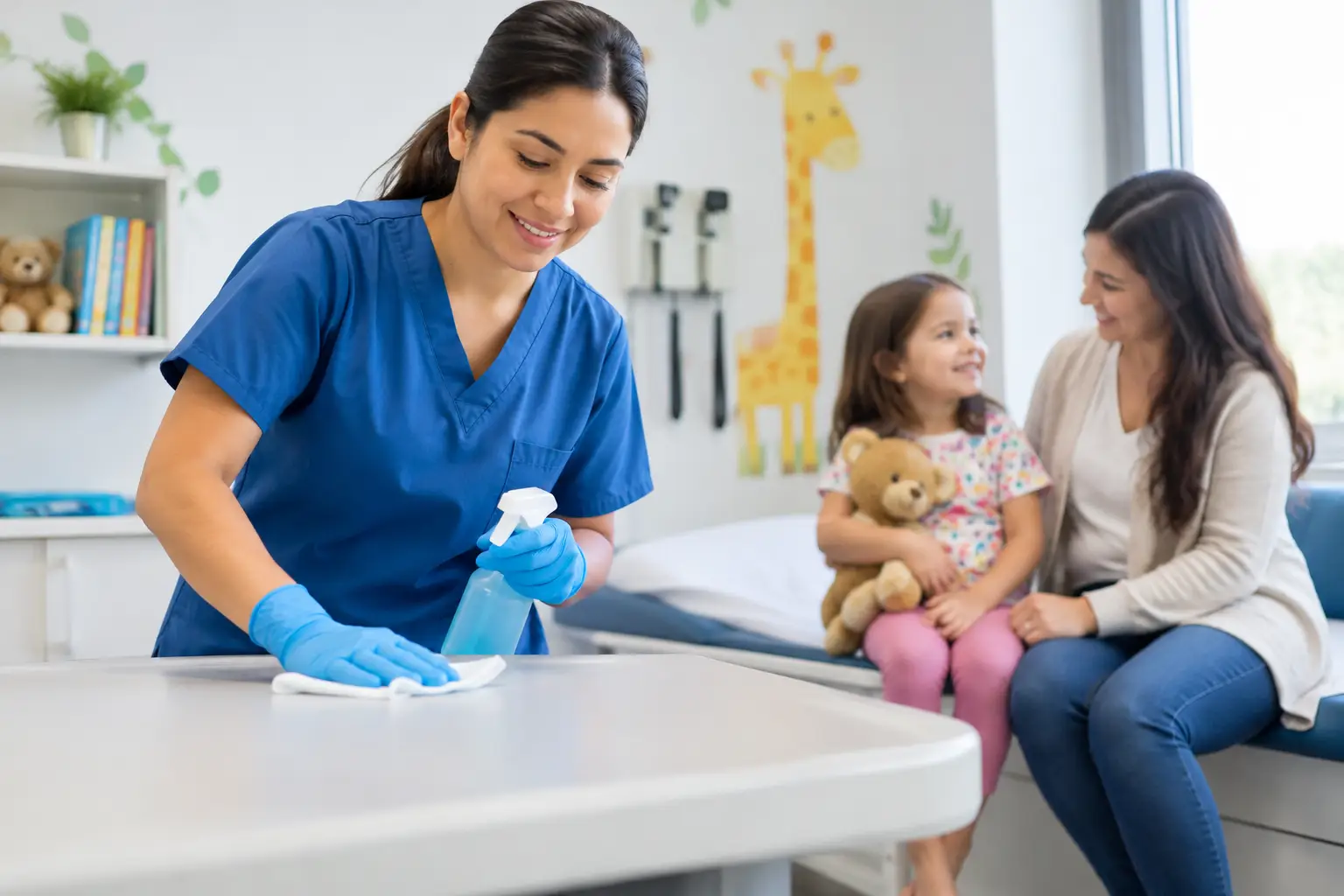
Exam tables, stools, counters, door handles, chair arms, and equipment handles should be cleaned and disinfected according to the clinic’s established procedures and product instructions. This includes allowing the product to remain wet for its labeled contact time. Spraying and immediately wiping may leave a surface looking clean without delivering the intended disinfecting result.
Professional cleaners can support the appearance and sanitation of the environment, but clinical staff and facility leadership should clearly define which tasks remain within their internal infection-control workflow. Medical equipment, sharps, biohazardous materials, and regulated waste require specialized handling and should never be treated as ordinary janitorial work.
Restrooms, break rooms, and floors
Restrooms need more than a quick wipe-down. Fixtures, faucet handles, stall latches, dispensers, changing stations, and doors should be addressed regularly, with particular attention to restocking soap, paper products, and hand sanitizer where appropriate. A clean restroom quietly signals that the entire clinic is managed with care.
Break rooms matter, too. Staff need a place to recharge without dealing with overflowing trash, food residue, or neglected sinks. Floors throughout the clinic should be cleaned with methods suitable for the material, whether that means low-moisture care for carpeted areas or residue-conscious cleaning for hard surfaces. In New Mexico, windblown dust and tracked-in grit can build up quickly, particularly near entryways, so matting and routine floor care can make a meaningful difference.
Safer Products Still Need to Perform
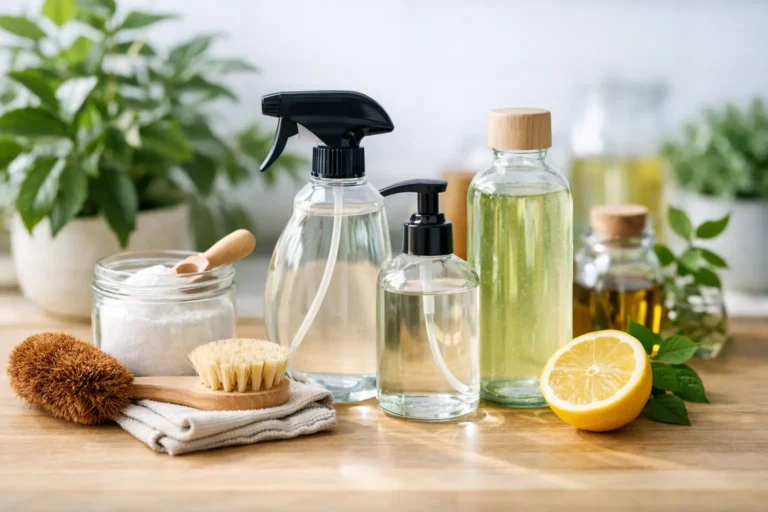
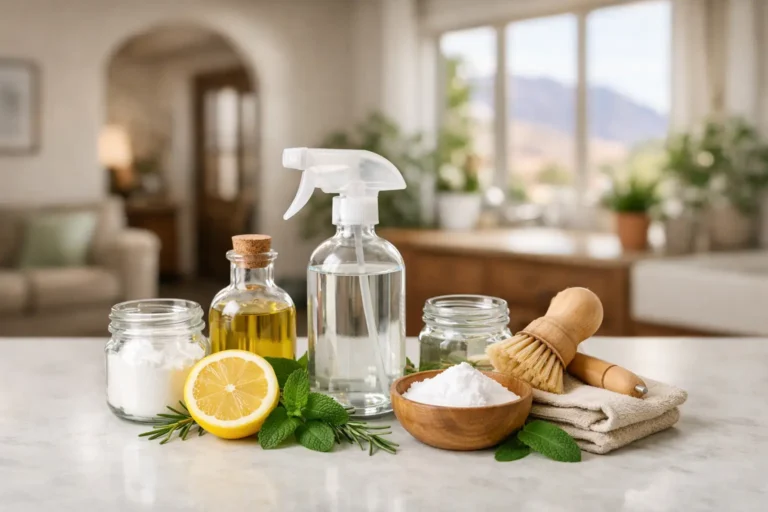
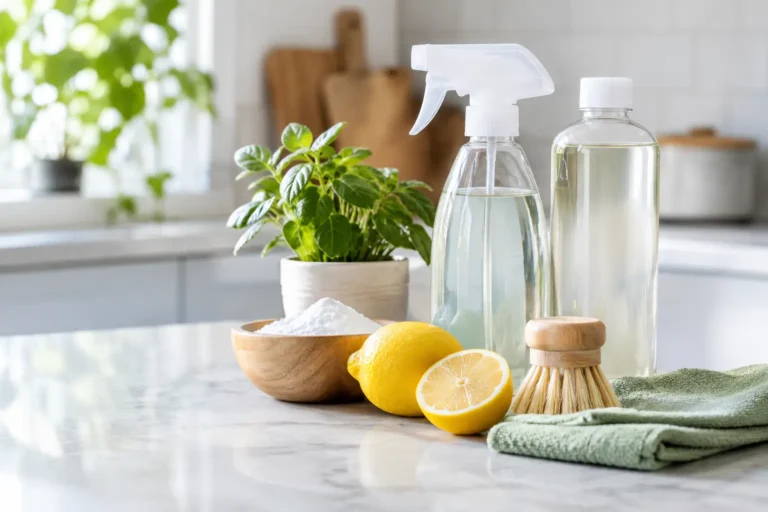
Parents choose pediatric providers because they trust them with their children’s well-being. The clinic environment should reinforce that trust. Plant-based, low-odor, and non-toxic cleaning products can be an excellent choice for routine cleaning when they are selected for the surface and task at hand.
For disinfecting, however, facilities need products that are appropriate for healthcare environments and used exactly as directed. The best product is not always the harshest one. It is the one that meets the required standard, is compatible with the surface, can be used correctly by trained staff, and fits the clinic’s infection-control plan.
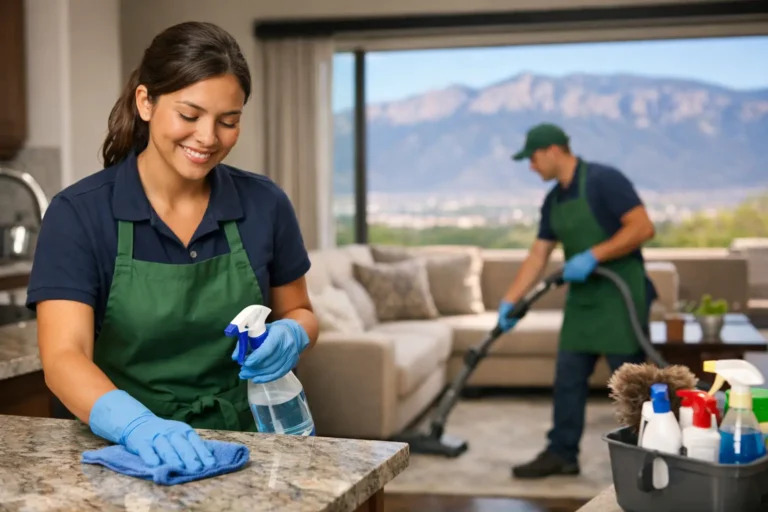
This is where a thoughtful service provider adds value. A professional cleaning team should understand product dilution, dwell time, cross-contamination prevention, and the difference between routine cleaning and a disinfection protocol. They should also use clean tools, color-coded cloth systems when appropriate, and fresh mop heads or pads so germs are not carried from a restroom into a waiting area.
There are trade-offs. A fragrance-free product may be better for sensitive patients but may not be the correct choice for a surface requiring disinfection. A stronger disinfectant may be necessary during periods of increased illness, yet it should be applied selectively and ventilated properly. Responsible cleaning means making those decisions deliberately, not treating every room the same.
Build a Cleaning Schedule Around How the Clinic Operates
A pediatric clinic usually benefits from layers of cleaning rather than relying on one nightly service alone. During business hours, staff can manage immediate spills, visibly soiled surfaces, and routine touchpoint care. After hours, a trained cleaning team can complete more detailed work without disrupting appointments or families.
A daily service plan commonly includes restrooms, trash removal, floors, reception surfaces, waiting-room touchpoints, staff areas, and nonclinical portions of exam rooms. Weekly or periodic services may include detailed baseboard cleaning, interior glass, high dusting, upholstery care, grout cleaning, and machine floor cleaning where needed.
The schedule should change with the season and the clinic’s volume. During respiratory illness season, a busier check-in area may require additional daytime touchpoint service. A small practice with limited appointments may need fewer visits but more detailed periodic cleaning. The best plan is customized, documented, and easy for clinic leadership to review.
What to Ask a Pediatric Cleaning Provider
Before bringing in a commercial cleaning company, clinic managers should look beyond a low quote. Reliability, training, and communication are just as important as the services on the checklist. Ask how the team prevents cross-contamination, how they handle product safety data, and whether they can work around appointment schedules and secure areas.
It is also reasonable to ask what products are used for routine cleaning, which products are used for disinfection, and how fragrance or residue concerns are addressed. A provider should be able to explain their process in plain language. If they cannot tell you how tools are cleaned, how touchpoints are prioritized, or what happens when a concern is reported, they may not be ready for a pediatric environment.
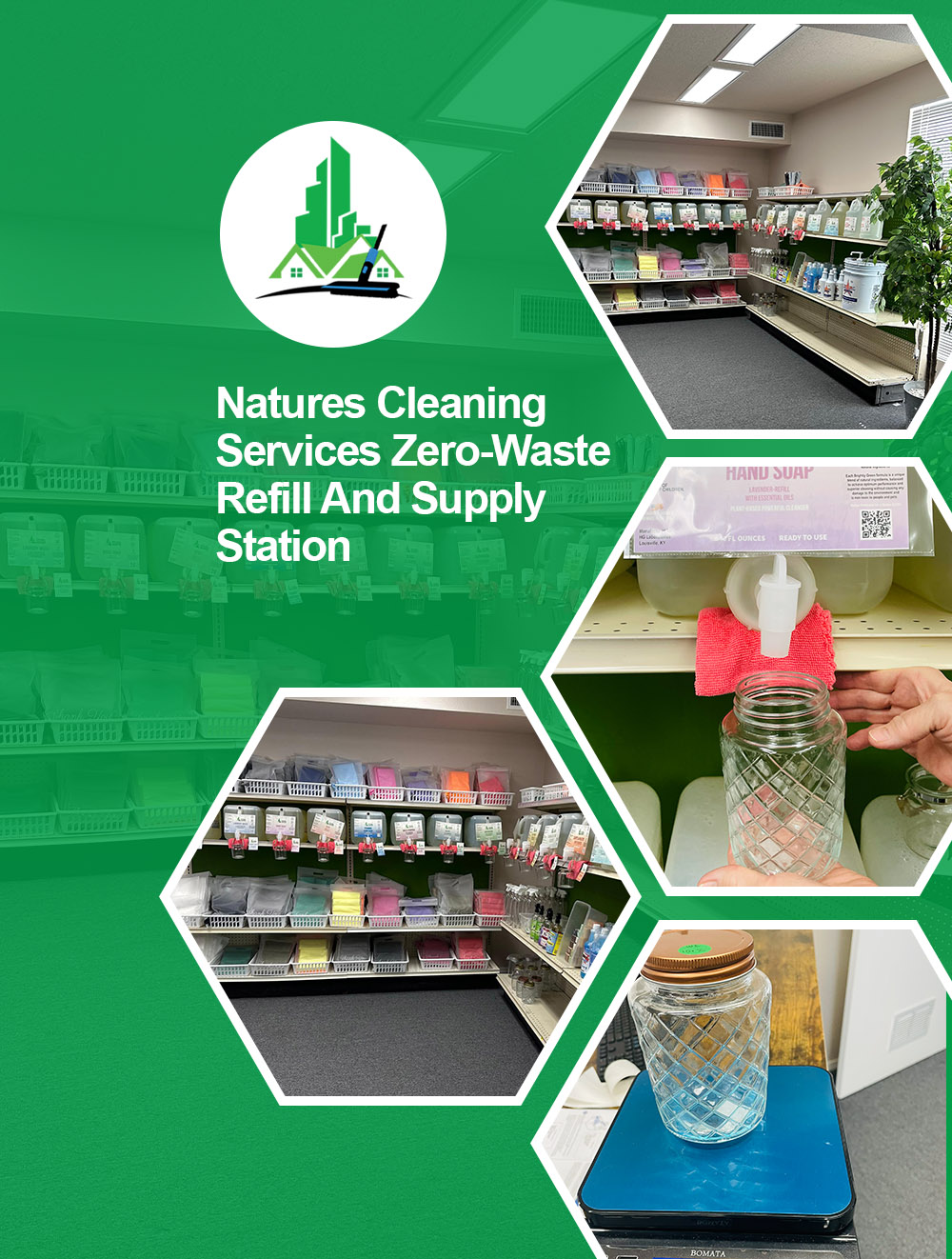
For clinics in Albuquerque, Rio Rancho, and nearby communities, local experience can be especially helpful. A team familiar with the area understands the dust, dry climate, and seasonal messes that affect everyday facility care. Natures Cleaning Services approaches commercial cleaning with the same principle that guides every service: do not compromise health for a clean space.
A pediatric clinic earns trust in dozens of small moments. A clean chair, a stocked restroom, a fresh exam room, and an entryway free of dust tell families that their child’s comfort matters before the appointment even begins.