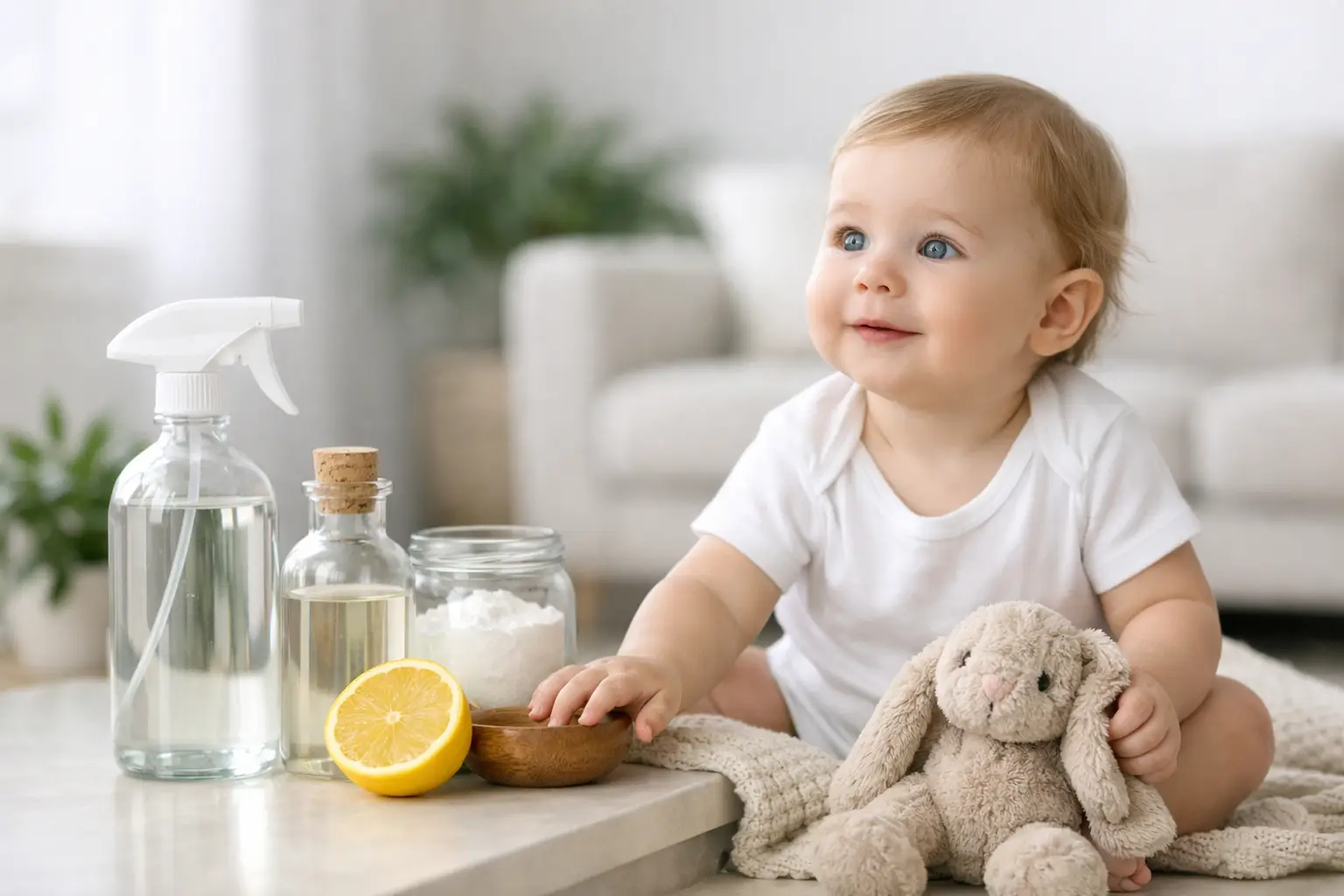
Are Natural Cleaners Safe for Babies? What to Know
A baby can spend hours each day close to the floor, touching baseboards, crawling across rugs, and putting little hands straight into their mouth. That makes the products used on household surfaces more than a cleaning preference. So, are natural cleaners safe for babies? Often, they can be a gentler choice than conventional chemical-heavy products, but “natural” is not a safety guarantee.
The safest approach is to look beyond front-label claims and consider the full picture: ingredients, fragrance, how a product is used, where it is stored, and whether residue remains on surfaces your baby touches. A truly healthier home is not only clean. It is cleaned with care.
What “Natural” Really Means on a Cleaner Label
The word “natural” can suggest that a product is mild, plant-based, or free from harsh chemicals. Sometimes that is true. But it is not a regulated promise that automatically means nontoxic, hypoallergenic, or safe to ingest.
A plant-derived ingredient can still irritate skin, trigger a fragrance sensitivity, or cause harm if swallowed. Essential oils are a good example. They may smell fresh and come from plants, yet concentrated oils can be too strong for babies, especially when used undiluted or added to homemade cleaning sprays.
Instead of relying on one word on the bottle, look for products that clearly explain what they contain. For baby-friendly everyday cleaning, families often prefer cleaners that are fragrance-free, dye-free, low in volatile organic compounds, and made without chlorine bleach, ammonia, or harsh solvents. Transparent ingredient information matters because it helps you make decisions based on your child’s needs, not marketing language.
Are Natural Cleaners Safe for Babies in Everyday Use?
Natural cleaners can be a sound choice for homes with babies when they are formulated for household use, used according to their directions, and kept out of a child’s reach. For routine messes on counters, sealed floors, high chairs, and toys, a thoughtfully chosen plant-based cleaner can reduce exposure to strong fumes and unnecessary residues.
Still, “safer” does not mean “safe in every circumstance.” Even a gentle cleaner should not be sprayed around a baby’s face, left wet on a high-chair tray, or stored where a curious toddler can open it. A baby’s skin and respiratory system are still developing, and infants cannot tell us when a smell is overwhelming or a surface is bothering their skin.
The practical goal is simple: use the mildest effective product for the job, then remove cleaner residue from surfaces that come in contact with food, hands, or mouths. For many daily baby messes, warm water and a clean microfiber cloth do more than people expect. When a cleaner is needed, use a small amount and wipe or rinse as directed.
Ingredients and Products That Deserve Extra Caution
Parents do not need to fear every ingredient with a long name. What matters is whether a product is appropriate for the task and whether it can leave fumes, residue, or a poisoning risk behind. A few common product types call for special attention in homes with babies.
Fragrance and Essential Oils
A clean home does not need to smell strongly scented. Added fragrance can be a concern for babies with eczema, asthma, sensitive skin, or respiratory irritation. “Unscented” is usually a better choice than “fragrance-free,” though it is worth reading the label because unscented products may still use masking fragrances.
Essential oils such as eucalyptus, peppermint, tea tree, and citrus oils are popular in natural products. Their concentrated forms can irritate skin or airways and can be dangerous if swallowed. Avoid using diffused oils or heavily scented sprays in enclosed spaces where babies sleep or play, particularly in the first months of life.
Homemade Vinegar and Baking Soda Mixes
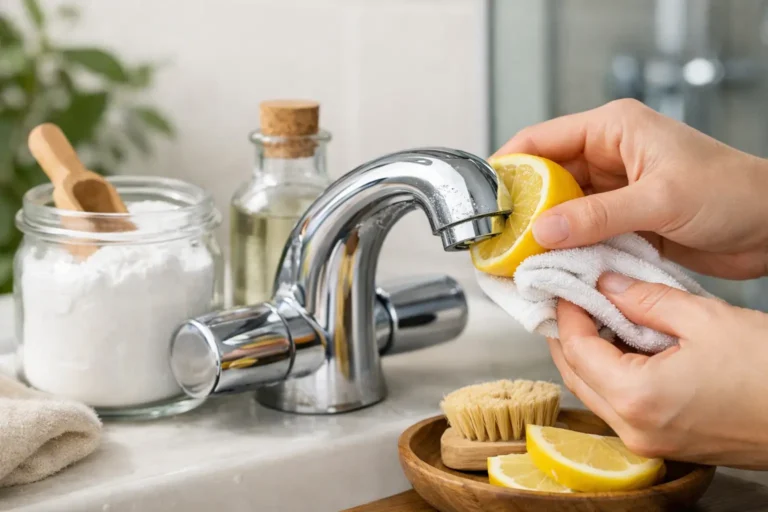
Vinegar and baking soda have their place for simple household tasks, but homemade does not always mean better. Vinegar can be irritating if sprayed into the air and may damage natural stone, grout, or certain finished surfaces. Baking soda and vinegar mixed together also largely cancel each other out, so the fizzy reaction is not necessarily more effective cleaning.
For a baby’s high chair, toys, and feeding surfaces, use a product intended for that surface or clean with soap and water, then rinse thoroughly. If you are sanitizing according to a product’s instructions, follow the required contact time instead of wiping it away immediately.
Strong Disinfectants
There are moments when disinfecting is appropriate, such as during a stomach bug, after certain illnesses, or when a medical provider recommends it. But disinfecting every surface every day is rarely necessary in a typical home and may introduce stronger chemicals than routine cleaning requires.
Cleaning removes dirt and germs from a surface. Disinfecting is a separate process designed to kill specific germs, often with more powerful active ingredients. Choose the right level of cleaning for the situation. This protects your baby while also protecting the surfaces in your home from unnecessary chemical use.
Products in Misleading Packaging
Natural cleaners can look harmless, especially when they feature fruit, flowers, or soft colors. That appearance can create risk if a child mistakes a bottle or pod for something edible. Keep every cleaning product, including plant-based and refillable options, in its original labeled container and stored in a locked cabinet or well above a child’s reach.
Never transfer cleaner into a drink bottle, food container, or unlabeled spray bottle. If a baby or child may have swallowed a cleaner, seek immediate guidance from Poison Control or emergency medical services rather than waiting for symptoms.
A Baby-Safer Cleaning Routine for Real Life
New parents already have enough to manage. A baby-safer cleaning routine should feel realistic, not like another impossible standard. Focus first on the surfaces your child uses most: floors, high chairs, changing tables, cribs, toys, and bathroom areas.
For routine care, clean spills promptly, vacuum or mop floors regularly, and use a damp cloth on dusty surfaces. Dry dust can travel through the air, which is especially unhelpful in Albuquerque-area homes during dry, windy periods. A damp microfiber cloth captures dust without needing a separate spray for every task.
For high-touch baby items, follow manufacturer instructions. Some toys can be washed with mild soap and water; others may need a specific cleaning method to avoid damaging electronics, fabric, or finishes. Let all surfaces dry completely before your baby uses them.
Ventilation matters, too. Open windows when weather allows, run bathroom exhaust fans, and avoid cleaning a small enclosed room while your baby is inside. Even a low-odor product is best used with fresh airflow and a little distance between cleaning time and playtime.
When Professional Cleaning Can Help
A professional cleaning service can make a meaningful difference for busy families, particularly after a move, during the newborn stage, or when keeping up with floors and bathrooms becomes difficult. The key is asking direct questions before inviting a team into your home.
Ask what products are used on floors, cribs, changing areas, and food-contact surfaces. Share any fragrance sensitivities, allergies, asthma concerns, or preferences for fragrance-free cleaning. A dependable eco-conscious company should be comfortable explaining its process and customizing the plan around your family.
At Natures Cleaning Services, we believe you should not have to compromise your health for a thoroughly clean home. Plant-based, non-toxic cleaning can support a fresher living space while helping families reduce reliance on harsh chemical-heavy products. It is a practical choice for parents who want both professional results and greater peace of mind.
The Bottom Line for Parents
The best cleaner for a home with a baby is not necessarily the one with the greenest label or the strongest scent. It is the one that is appropriate for the job, used carefully, stored securely, and followed by the right rinsing and ventilation steps.
Choose transparent, low-fragrance products for everyday messes, reserve stronger disinfection for situations that truly call for it, and remember that clean water, soap, and a careful wipe-down remain powerful tools. Small choices in your cleaning routine can help create the calm, healthy space your baby deserves to explore.