Move Out Cleaning for Renters That Gets Results
That final walkthrough can feel longer than your whole lease. You have boxes stacked by the door, a change-of-address list half finished, and one big question hanging over everything: will the place be clean enough to get your deposit back? Move out cleaning for renters is not just about making a home look tidy. It is about meeting lease expectations, avoiding surprise deductions, and leaving the space in genuinely good condition.
For many renters, the pressure comes from timing. You are trying to move, return keys, transfer utilities, and maybe start work again the next morning. Cleaning gets pushed to the end, when energy is low and the details matter most. That is exactly why a smart approach makes such a difference.
Why move out cleaning for renters matters
A landlord or property manager usually is not judging your home the way a guest would. They are looking for condition, wear, damage, and whether basic cleaning was handled thoroughly. A few crumbs on the counter may not matter much during daily life, but grease on the stove hood, soap film in the shower, or dust packed into baseboards can quickly signal neglect.
That does not mean every deduction is fair. Some issues fall under normal wear and tear, while others are clearly cleaning-related. Faded paint, minor carpet wear, or small signs of age may not be your responsibility. Heavy buildup, stained appliances, food residue, pet hair, and trash left behind usually are.
This is where renters can lose money without realizing it. A place can look mostly clean at a glance and still fail a move-out inspection because the problem areas were missed. Kitchens, bathrooms, floors, and inside storage spaces tend to matter more than people expect.
What landlords usually notice first
Most property managers move room by room, but a few details stand out almost immediately. Smell is one of them. If the home has lingering pet odors, smoke, mildew, or trash smells, that creates a negative impression before anyone checks a single cabinet.
After that, kitchens and bathrooms usually carry the most weight. These rooms collect grease, soap scum, moisture, and hidden buildup. The inside of the oven, the refrigerator shelves, the toilet base, and the shower corners tend to tell the real story.
Floors are another big one. Vacuum lines are nice, but what matters is whether corners, edges, and under appliances were actually cleaned. If a property manager pulls back a door or opens a closet and sees dirt, hair, or dust clumps, they may assume the rest of the cleaning was rushed too.
A better way to tackle the job
The best move-out cleaning happens after the home is mostly empty. Trying to clean around furniture, full closets, or packed bathrooms wastes time and makes it harder to see what needs attention. Once the space is cleared, start high and work low. Dust ceiling fans, vents, shelves, and ledges first, then wipe surfaces, then finish with floors.
It also helps to clean with the inspection in mind instead of cleaning the way you normally would. Daily cleaning is about comfort. Move-out cleaning is about completeness. Open every cabinet. Check behind the toilet. Look at blinds in daylight. Run your hand along baseboards. If you rented with pets, inspect corners and soft surfaces carefully for hair and odor.
One practical rule is simple: if you used it, open it, or touched it regularly, clean it fully. That includes appliance interiors, drawers, closet shelves, light switches, doorknobs, and window sills. These are easy to forget when you are focused on big visible areas.
The rooms that deserve extra attention
Kitchen cleaning at move-out
The kitchen usually takes the longest, and it is one of the most common reasons deposits get reduced. Grease is stubborn, especially around stovetops, backsplashes, cabinet fronts, and range hoods. Even if the room looks decent, sticky residue can remain.
The refrigerator should be emptied, wiped inside and out, and checked for crumbs in drawers and door seals. The oven often needs more than a quick wipe, especially if there is baked-on food. Sinks should be scrubbed, and the garbage disposal, if there is one, should be freshened so it does not leave an odor behind.
Cabinets matter more than many renters realize. Property managers often open them. If shelves have dust rings, food crumbs, or spilled seasoning, those details can work against you.
Bathroom cleaning at move-out
Bathrooms show buildup fast. Soap scum, hard water spots, and grime around faucets can make a room feel dirtier than it is. Toilets should be cleaned inside and out, including around the base. Showers and tubs need special attention in corners, grout lines, and sliding door tracks.
Mirrors, vanity drawers, and exhaust fan covers are commonly overlooked. If the bathroom has mineral buildup from New Mexico water, it may take more effort than expected to remove it safely without damaging finishes. That is one reason many renters decide professional help is worth it.
Floors, walls, and overlooked details
Once the rooms are empty, floors reveal everything. Vacuuming and mopping are essential, but edges, corners, and under major appliances often need hand-detailing. If your lease allowed pets, plan extra time for fur and dander.
Walls are a little more complicated. Small marks may wipe off easily, but aggressive scrubbing can damage paint. It depends on the finish, the stain, and the condition of the wall. Spot cleaning is usually wise, while large damaged areas may need to be discussed with the property manager.
Blinds, window tracks, doors, trim, and baseboards are the kind of details that separate a quick clean from a deposit-focused clean. They do not take forever individually, but together they make a home feel truly turned over.
Should you do it yourself or hire a professional?
That depends on three things: your timeline, the condition of the rental, and how confident you are with detail cleaning. If you kept the home in good shape and have a full day to work in an empty space, a DIY move-out clean may be enough. If you are rushed, managing a family move, or dealing with heavy buildup, professional service can lower stress and reduce the chance of missed areas.
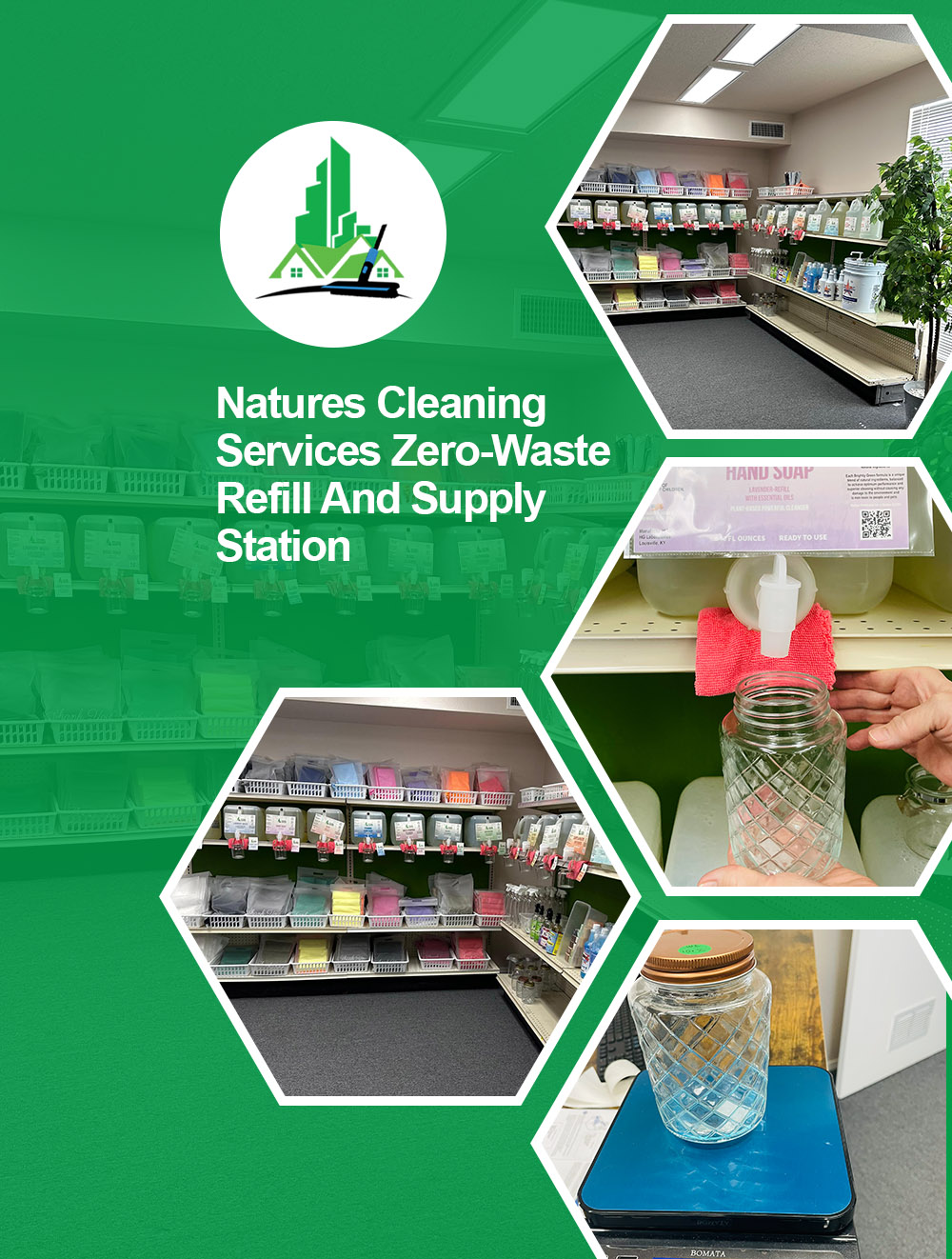
For health-conscious renters, the products used matter too. Harsh chemical smells might seem like proof of a deep clean, but they can leave behind residue and indoor air concerns, especially for children, pets, or anyone with sensitivities. A company that uses plant-based, non-toxic products can still deliver a thorough result without asking you to trade health for cleanliness.
That balance matters even more in homes where people have been packing, sleeping on floors, and moving in and out all week. The last thing most renters want is to finish a stressful move in a space filled with strong fumes. Companies like Natures Cleaning Services build their approach around that concern, which can be a better fit for households trying to keep the process safer as well as easier.
How to avoid common deposit mistakes
One of the biggest mistakes renters make is assuming the landlord will only check what is obvious. Another is leaving cleaning until after they are already exhausted from moving day. A third is focusing on belongings and trash removal but not on residue, odor, and buildup.
Photos help. Take clear before-and-after pictures once the cleaning is finished. Keep copies of your lease, any move-in inspection notes, and any written cleaning requirements. If a dispute comes up later, documentation can make a real difference.
It also helps to be realistic. Some issues are not cleaning problems. Torn screens, broken fixtures, carpet damage, and wall holes may need repair, not scrubbing. Cleaning well protects your position, but it does not erase every lease-related cost.
A cleaner exit starts earlier than you think
The easiest move-out clean is the one that starts before the last week of the lease. If you can, begin using up pantry items, clearing closets, and wiping down low-use areas a little at a time. That spreads out the workload and keeps the final clean focused on detail instead of overwhelm.
Even a simple plan can change the experience. Empty the space first. Clean top to bottom. Give kitchens and bathrooms extra time. Check inside everything. If your energy, schedule, or health concerns make that unrealistic, bringing in trusted help can be the more practical choice.
Moving already asks a lot from people. Your cleaning plan should protect your time, your deposit, and your peace of mind without compromising the safety of your home along the way.