Routine Cleaning Versus Disinfection: What You Need
A kitchen counter can look spotless and still need more attention after raw chicken prep. A reception desk may appear clean but require targeted disinfection after illness moves through an office. Understanding routine cleaning versus disinfection helps you choose the right level of care without reaching for harsher products when they are not needed.
For families, pet owners, and local businesses, the goal is not to make every surface smell like chemicals. It is to create a consistently clean, healthier space using thoughtful methods that protect the people, animals, and environment you care about.
Routine Cleaning Versus Disinfection: The Core Difference
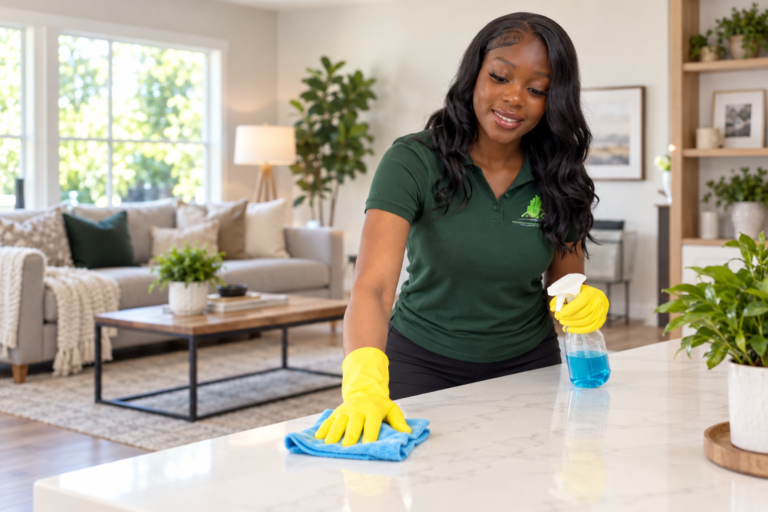
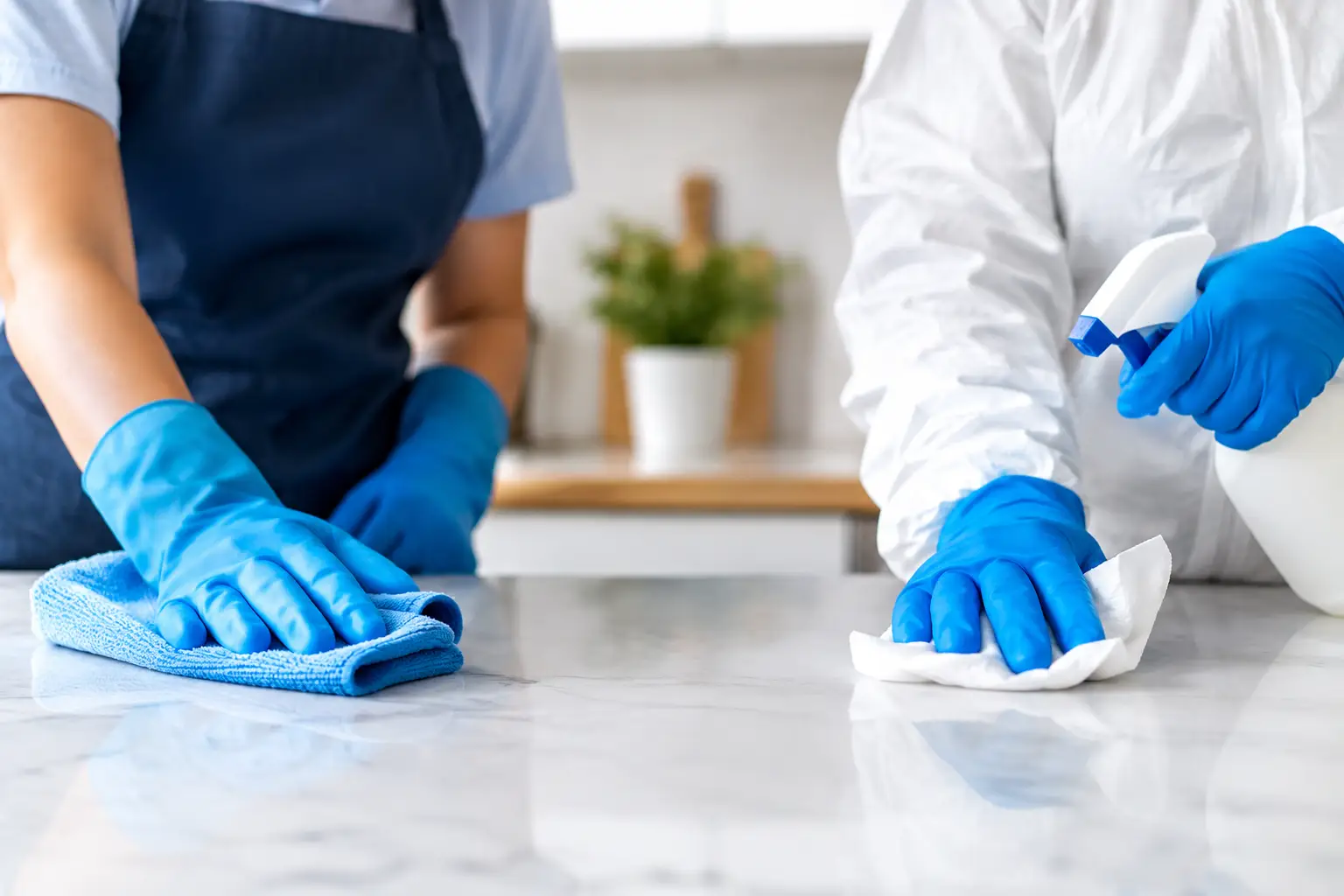
Routine cleaning removes visible soil and many of the particles that build up on everyday surfaces. Think dust, crumbs, pet hair, fingerprints, grease, soap residue, and tracked-in dirt. Cleaning generally involves a cleaner, water, and friction from a cloth, mop, brush, or vacuum.
Disinfection is a more specific process. A disinfectant is designed to kill or inactivate certain germs on hard, nonporous surfaces when it is used according to its label. That label matters. The product must remain wet for its required contact time, which can range from seconds to several minutes. Spraying a surface and immediately wiping it dry may not disinfect it as intended.
Neither approach replaces the other. Dirt and grime can shield germs from a disinfectant, so surfaces often need to be cleaned before they are disinfected. At the same time, disinfection is not a substitute for removing food residue, grease, dust, or stains.
Most Spaces Need Cleaning More Often Than Disinfection
Routine cleaning is the foundation of a healthy home or workplace. High-touch surfaces, floors, kitchens, bathrooms, shared desks, and entryways all benefit from regular attention. In busy households, this may mean wiping kitchen surfaces daily, cleaning bathrooms weekly, and keeping floors free of dust and outdoor debris.
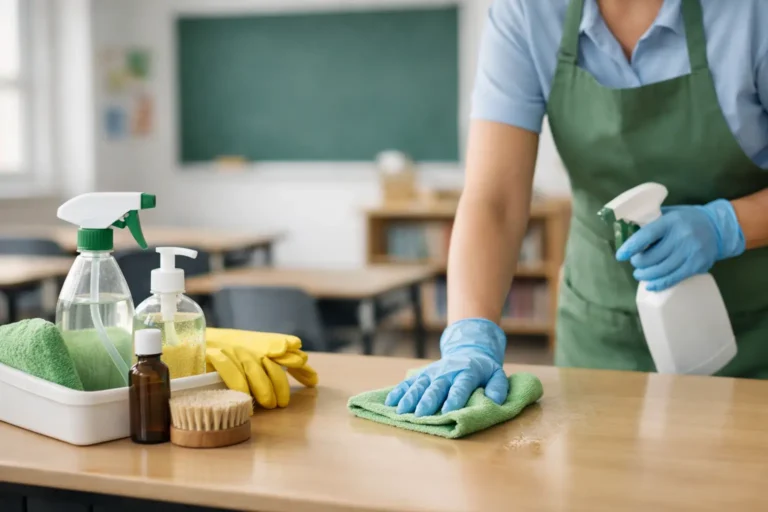
For offices, schools, clinics, dealerships, and other commercial settings, the schedule depends on traffic, the type of work performed, and the expectations of clients and employees. A quiet office may need different care than a waiting room, break room, dental practice, or public-facing counter.
Frequent cleaning supports indoor comfort in practical ways. It reduces allergens such as dust and pet dander, prevents grease and mineral buildup, and keeps surfaces looking cared for. It also removes germs physically, which is meaningful even when a disinfectant is not necessary.
This is why a dependable recurring cleaning plan can make such a difference. When cleaning is handled consistently, deep buildup is less likely to take hold, and it becomes easier to focus disinfection where it has a clear purpose.
When Disinfection Makes Sense
Disinfection is most useful when there is a higher likelihood of germ exposure or when a surface has been contaminated. It should be targeted, not automatic.
At home, consider disinfection after someone has been sick, after cleaning up vomiting or diarrhea, when handling raw meat, or when caring for an immune-compromised family member. In a workplace, it may be appropriate after an illness outbreak, in restrooms, on shared high-touch surfaces, or in areas with stricter sanitation requirements.
High-touch hard surfaces can include faucet handles, toilet flush levers, refrigerator handles, light switches, door handles, shared keyboards, phones, and checkout counters. Still, more product is not always better. A low-traffic guest room does not need the same treatment as a frequently used bathroom or communal workspace.
Certain settings have additional requirements. Medical and dental facilities, for example, may need products and procedures that meet industry-specific standards. Food-service businesses also have rules that go beyond ordinary household cleaning. In those cases, follow applicable regulations and the facility’s established infection-control procedures.
A Safer Process for Cleaning and Disinfecting
The best results come from using the right process in the right order. Start by removing visible dirt and debris. Then, if disinfection is warranted, apply an appropriate disinfectant to the cleaned hard surface and follow every label direction, including dilution, ventilation, protective equipment, and contact time.
Do not mix cleaning products. Combining products, especially bleach with ammonia, acids, or other cleaners, can create dangerous fumes. Keep all products out of reach of children and pets, and do not use disinfectants on food-contact surfaces unless the label specifically permits it and gives directions for rinsing.
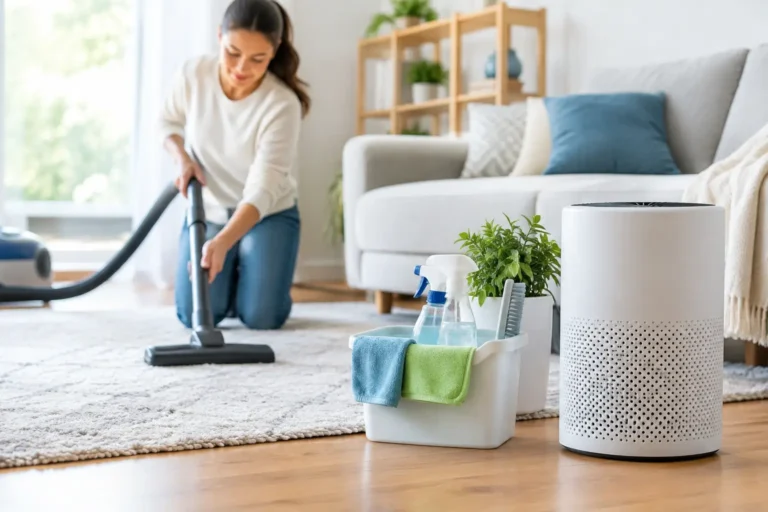
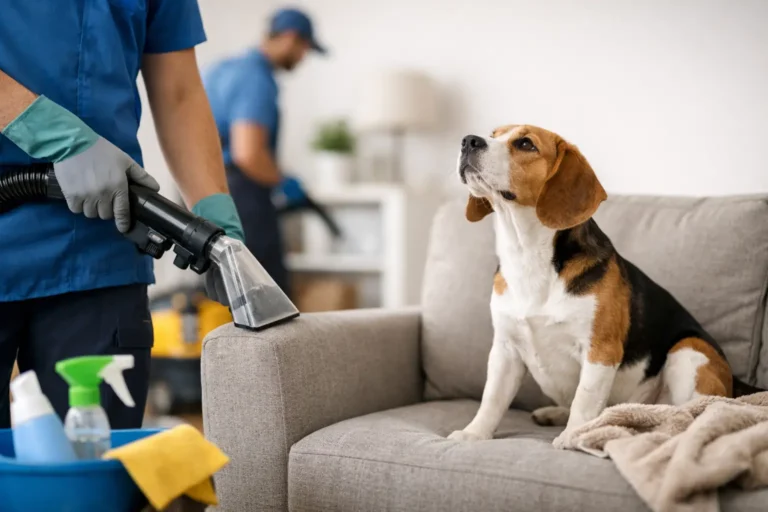
Soft surfaces require a different approach. Upholstery, rugs, bedding, and curtains are usually cleaned through laundering, vacuuming, steam methods when suitable, or products specifically labeled for those materials. A standard hard-surface disinfectant may damage fabric or simply fail to work as intended.
Electronics deserve care, too. Never saturate a keyboard, remote, or phone. Follow the device manufacturer’s guidance, and use only cleaning or disinfecting products approved for that type of equipment.
Can Eco-Friendly Cleaning Still Be Effective?
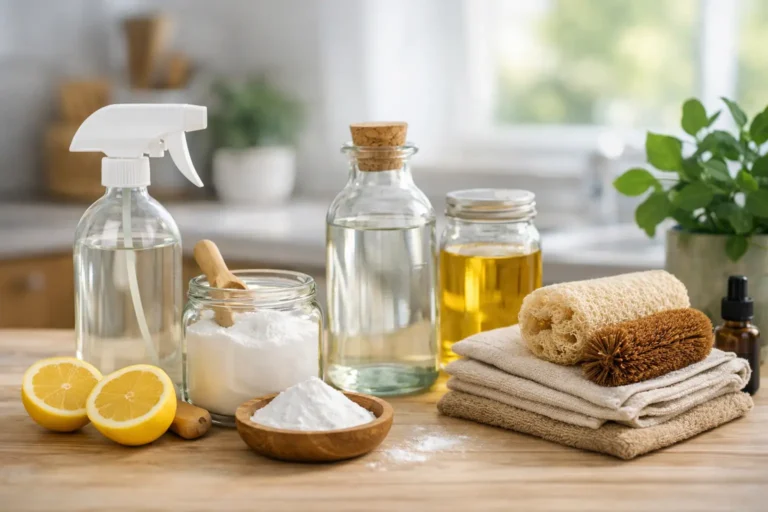
Yes, for routine cleaning. Plant-based, non-toxic cleaning products can be highly effective at lifting everyday dirt, grease, soap scum, and grime when they are selected for the job and used with proper technique. A clean microfiber cloth, appropriate dwell time for the cleaner, and attention to overlooked areas often matter as much as the bottle itself.
Disinfection requires a separate question: is the product registered and labeled to disinfect against the germs of concern? Not every eco-conscious cleaner is a disinfectant, and it should not be marketed or used as one unless its label confirms that claim.
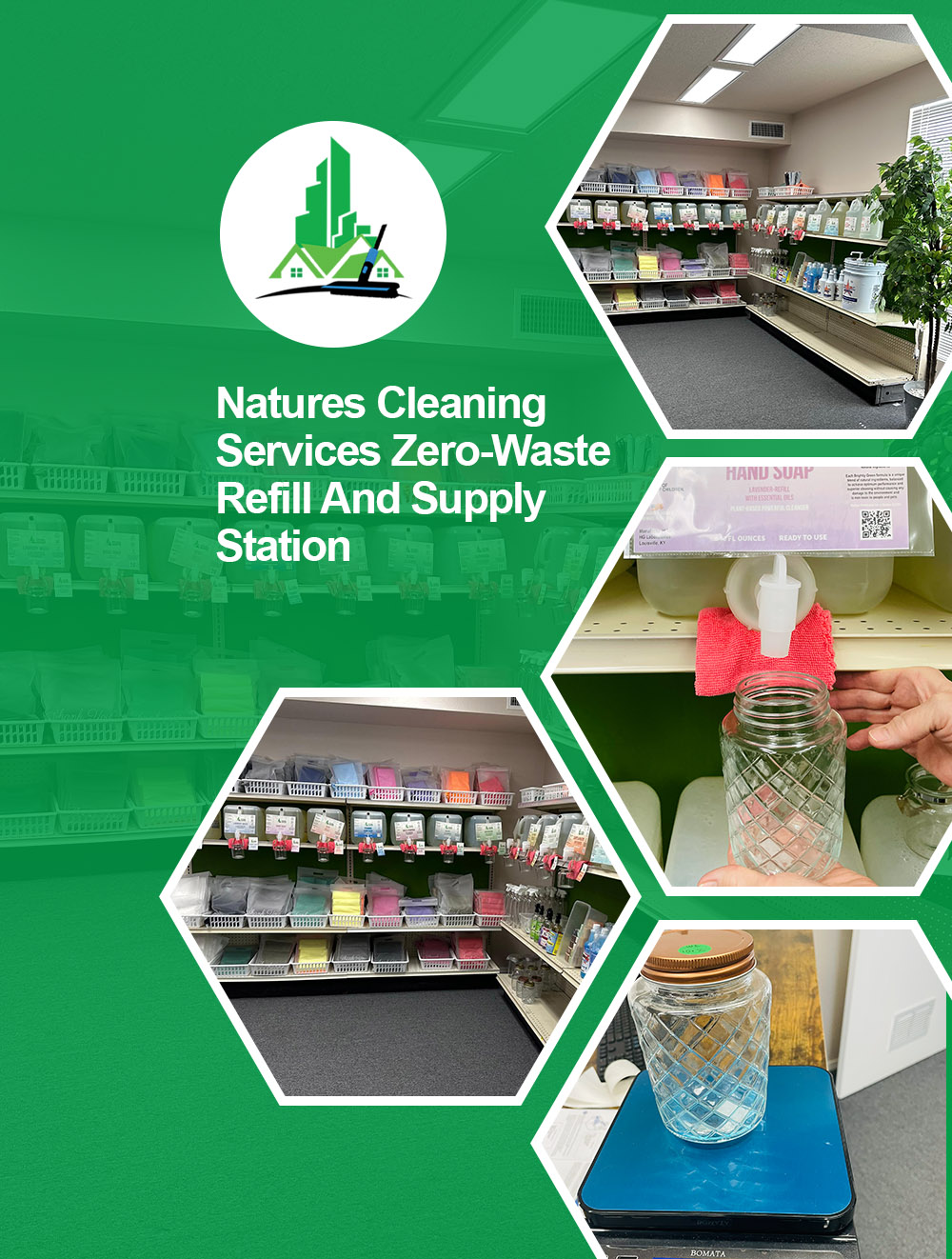
That distinction is a sign of responsible cleaning, not a limitation. At Natures Cleaning Services, safer plant-based products are a natural fit for the routine cleaning that keeps homes and workplaces fresh without unnecessary chemical exposure. When a situation calls for disinfection, the focus should shift to an appropriate product, correct application, and the health needs of the space.
How to Build a Practical Schedule
A realistic schedule should reflect how your space is actually used. A household with toddlers, dogs, and a busy kitchen will have different priorities than a couple who travels often. An office with ten employees has different needs than a clinic with a steady flow of patients.
Daily attention is often best for kitchen prep areas, bathroom touchpoints, shared counters, and spills. Weekly cleaning can cover bathrooms, floors, dusting, and broader surface care. Deep cleaning is useful periodically for grout, baseboards, appliances, blinds, and areas that collect buildup over time.
Reserve targeted disinfection for illness, contamination, high-risk settings, or surfaces that receive heavy shared use. This approach protects health while reducing needless product use, strong odors, and surface wear.
The Details That Protect People and Property
A clean space should feel good to live and work in, not leave behind eye-watering fumes or residue that worries parents and pet owners. Ventilation, proper storage, clean tools, and product instructions all matter. Reusing a dirty cloth across the kitchen and bathroom, for example, can spread soil instead of removing it.
For Albuquerque-area households and businesses, regular professional cleaning can also help manage the dust and debris that naturally find their way indoors. Consistent care preserves floors, helps grout and fixtures stay in better condition, and gives you back time for the people and work that matter most.
The right standard is simple: clean routinely, disinfect thoughtfully, and never compromise your health for a clean space. When your cleaning plan fits your household or workplace, a healthier environment becomes one less thing to worry about.