What Is Green Cleaning? A Healthier Way to Clean
A freshly cleaned kitchen should smell clean, not leave you wondering whether your child or pet should avoid the floor until the fumes fade. That concern is at the heart of the question, what is green cleaning? It is a thoughtful approach to cleaning that aims to remove dirt, germs, dust, and odors while reducing exposure to harsh chemicals, unnecessary waste, and practices that can harm the environment.
Green cleaning is not about settling for a less thorough home or workplace. Done well, it combines effective plant-based or lower-toxicity products, professional techniques, reusable tools, and smart product choices to create spaces that feel genuinely clean and safer to live and work in.
What Is Green Cleaning, Exactly?
Green cleaning means choosing cleaning methods and products with human health and environmental impact in mind. Traditional cleaners may contain ingredients that create strong fumes, irritate skin, trigger sensitivities, or leave residues on the surfaces people touch every day. A green cleaning approach looks for safer alternatives without losing sight of the actual job: cleaning thoroughly.
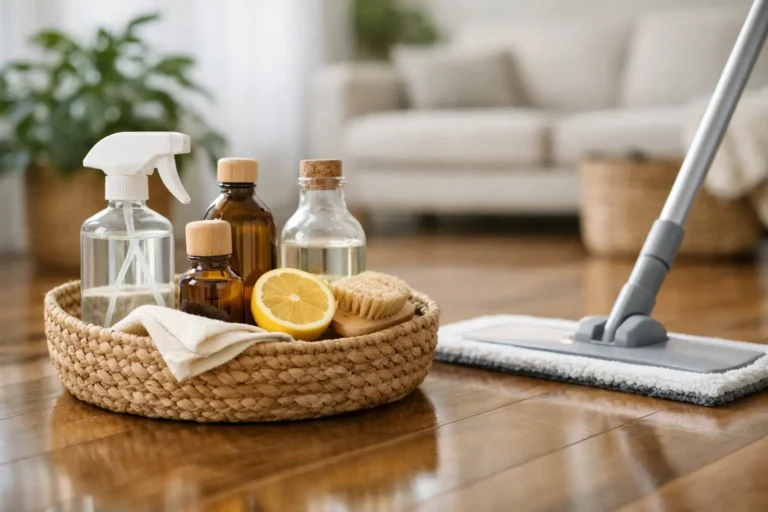
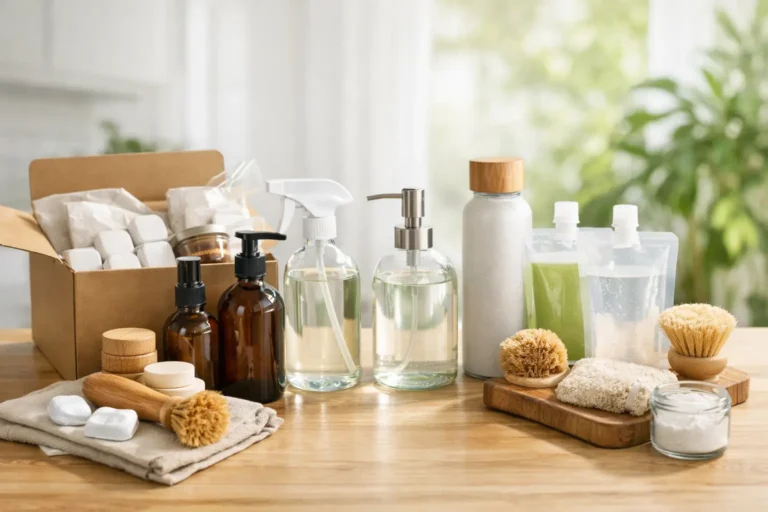
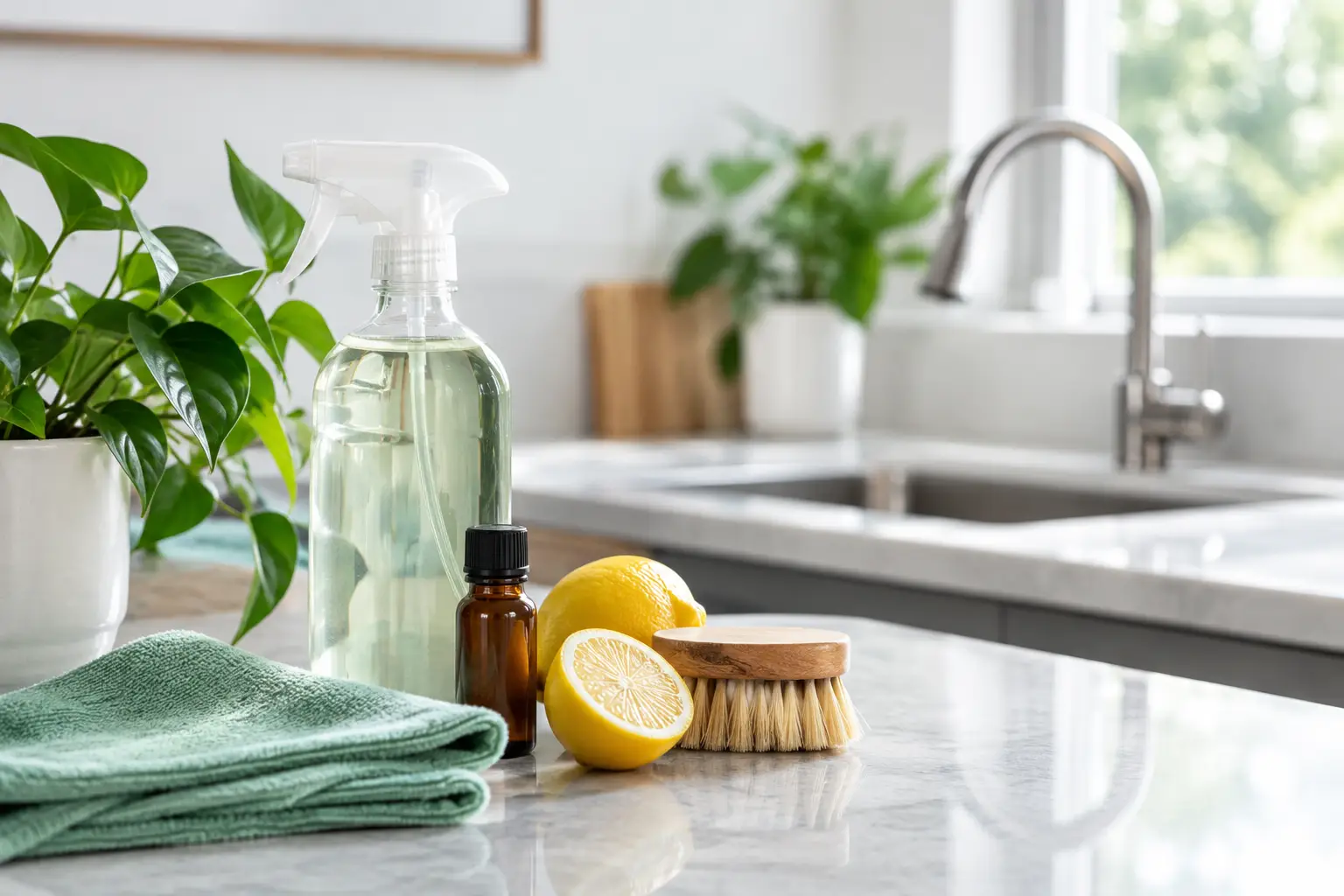
That can include biodegradable formulas, plant-based ingredients, fragrance-conscious products, concentrated refills, reusable microfiber cloths, and careful dilution. It also includes the way cleaning is performed. Using the right tool for the right surface, preventing cross-contamination, and avoiding excess product are all part of responsible cleaning.
The word “green” is sometimes used loosely in marketing, so it helps to look beyond a label or a bottle color. A product is not automatically safer or more sustainable just because it says natural. The strongest green cleaning practices are transparent about ingredients, use products as directed, and balance safety with real cleaning performance.
Why Green Cleaning Matters at Home
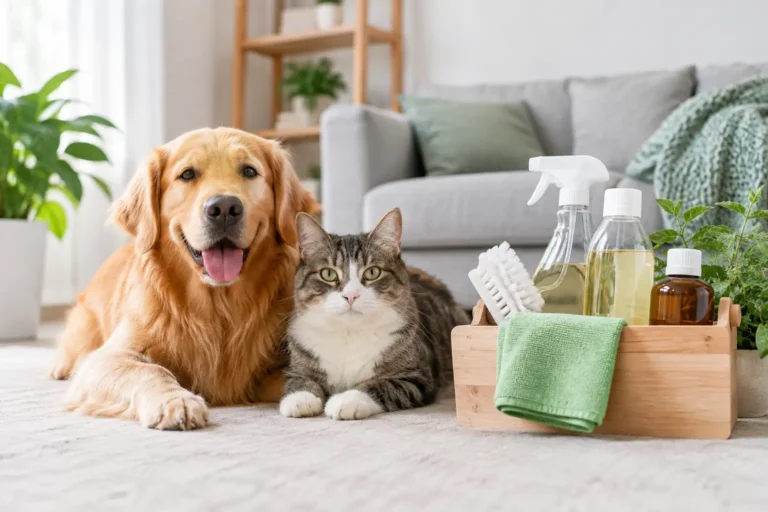
Families spend a great deal of time indoors, where dust, pet dander, cooking residue, and cleaning-product vapors can build up. For parents, pet owners, and people with sensitivities, cleaning choices can make a noticeable difference in daily comfort. Lower-toxicity products can help reduce the harsh odors and residues associated with conventional chemical-heavy cleaning.
This does not mean every natural ingredient is harmless or that every conventional product is dangerous. Essential oils, for example, can bother some people or be unsafe for certain pets when used improperly. Green cleaning is not about fear. It is about making informed choices, using products responsibly, and minimizing avoidable exposures.
A healthier cleaning routine also focuses on removing what does not belong in your home in the first place. Regular dusting, vacuuming, floor care, and kitchen and bathroom cleaning reduce the buildup of allergens, grime, and bacteria. When these tasks are handled consistently, there is less need for aggressive products later.
For busy households, that consistency is often the hardest part. A recurring professional cleaning plan can help maintain a clean home without asking you to spend your limited evenings catching up on bathrooms, floors, and kitchen messes. You should not have to compromise your health for a clean home.
Green Cleaning in Offices and Commercial Spaces
The benefits extend beyond the front door. Offices, clinics, schools, dealerships, and other shared spaces need cleaning that supports staff, customers, and visitors while meeting high standards for appearance and sanitation. Strong chemical scents may be associated with cleanliness, but they can make a workplace uncomfortable for employees or clients with asthma, allergies, migraines, or chemical sensitivities.
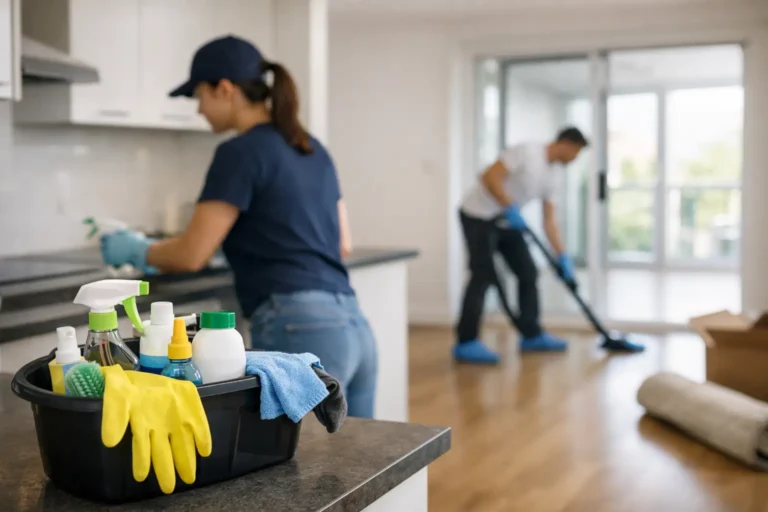
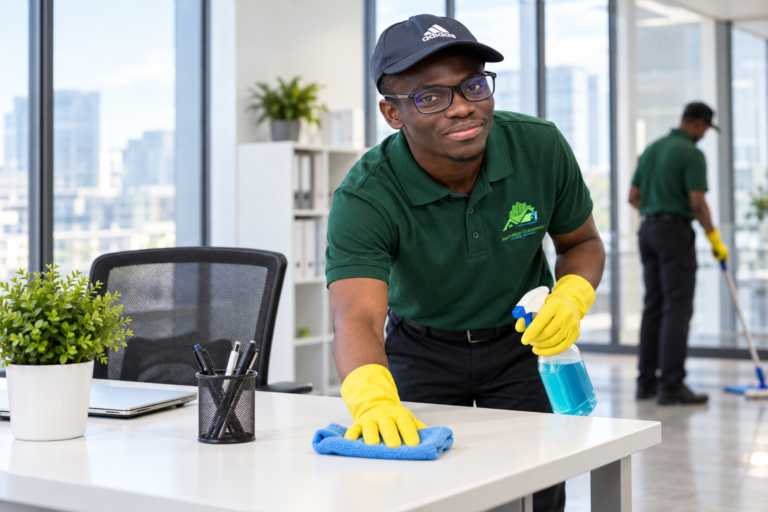
A green commercial cleaning plan helps create a more welcoming environment by pairing safer products with dependable janitorial practices. High-touch surfaces still need careful attention. Restrooms still need to be sanitized. Floors, grout, break rooms, lobbies, and workstations still need professional care. The difference is in selecting methods that reduce unnecessary chemical exposure and waste wherever possible.
For a business, it also sends a practical message: the people who use this space matter. A clean facility protects your reputation, but a thoughtfully maintained one also reflects care for employee wellness and the larger community.
The Core Practices Behind Effective Green Cleaning
Green cleaning works best when it is a complete system rather than a single product swap. The following practices make the biggest difference:
- Choosing safer products: Look for products with clear ingredient information, lower volatile organic compounds, and formulations designed to be biodegradable or less toxic when used correctly.
- Using less, not more: More cleaner does not always mean better results. Proper dilution and application reduce residue, protect surfaces, and prevent waste.
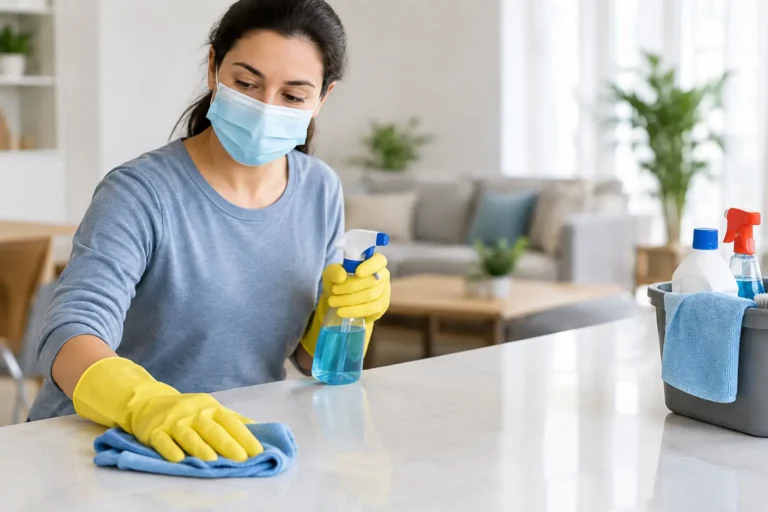
- Relying on effective tools: High-quality microfiber cloths can lift dust and soil efficiently, often reducing the amount of product needed. Color-coding tools for different areas can also help prevent cross-contamination.
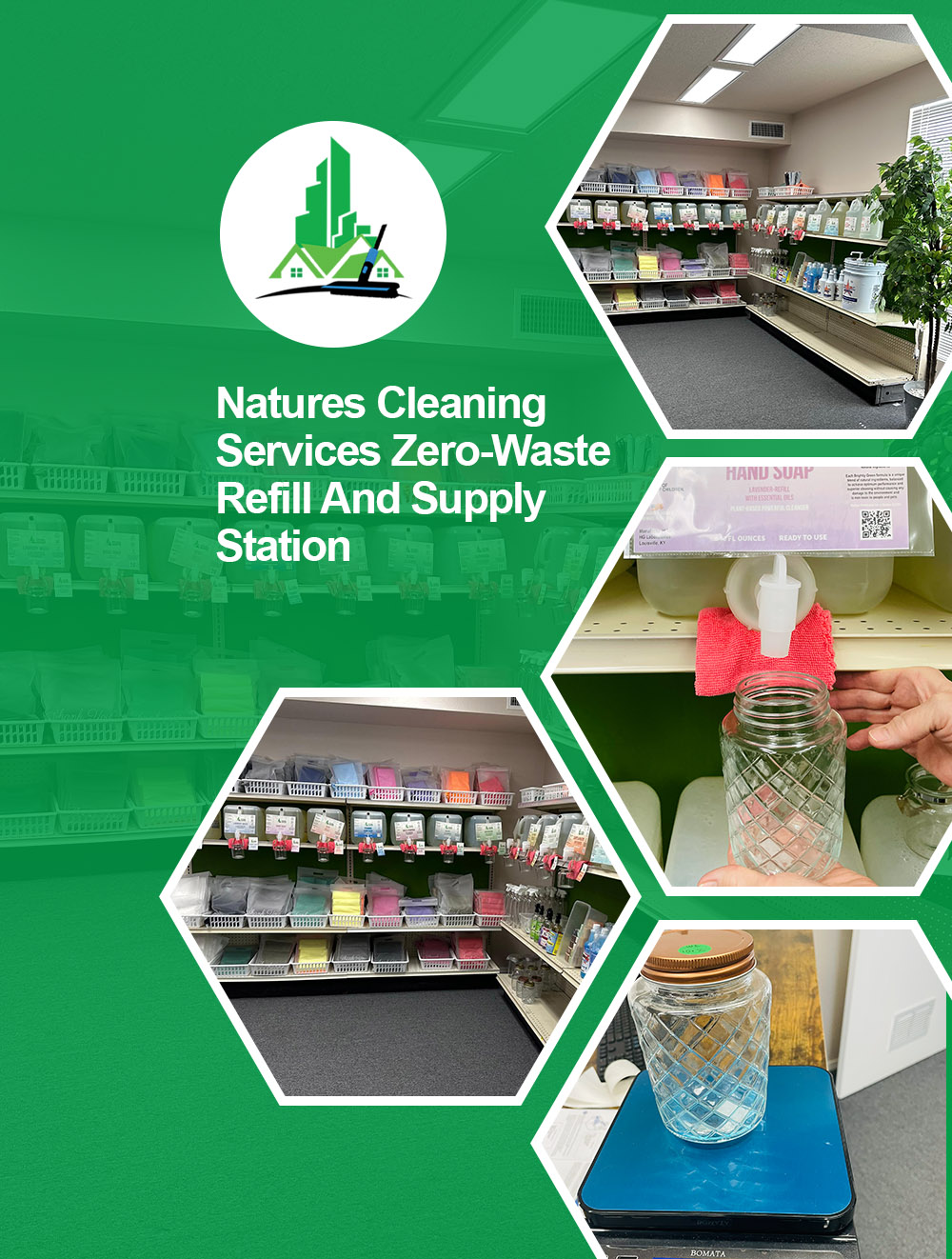
- Reducing disposable waste: Refillable containers, concentrated products, washable cloths, and reusable mop pads can lower the stream of single-use packaging and supplies.
- Cleaning for prevention: Routine care keeps dirt and buildup manageable, reducing the need for intensive corrective cleaning and stronger products later.
These choices are especially meaningful in New Mexico, where water conservation and respect for the natural landscape are part of everyday life. Small changes in how products are purchased, diluted, used, and disposed of can add up over time.
What Green Cleaning Does Not Mean
Green cleaning is not a promise that one mild all-purpose spray will solve every cleaning challenge. Different surfaces and situations require different solutions. Mineral buildup on shower glass, deeply soiled grout, greasy ovens, move-out cleaning, and commercial floor care may call for specialized products and equipment.
The goal is to use the least hazardous effective method for the task. That may mean allowing a product enough dwell time to work instead of reaching for something harsher. It may mean mechanical action, such as scrubbing or steam, rather than relying only on chemicals. In some settings, particularly medical or food-related environments, disinfection requirements may be more specific. A responsible cleaning provider understands the difference between cleaning, sanitizing, and disinfecting, and chooses the appropriate process.
Green cleaning also should not leave behind poor results. If a product cannot remove soap scum, grease, soil, or odors effectively, it is not serving the customer well. Professional-grade green cleaning is both conscientious and thorough.
How to Make Your Cleaning Routine Greener
Start with the products you use most often, such as your all-purpose cleaner, bathroom cleaner, dish soap, and floor product. Replace them gradually with options that provide ingredient transparency and suit the surfaces in your home. Avoid mixing products unless the manufacturer specifically says it is safe. Combining cleaners can create dangerous fumes, even when individual products seem familiar.
Next, focus on habits. Use washable cloths instead of reaching for paper towels for every spill. Keep entry mats clean to reduce the dirt tracked indoors. Address spills early so they do not become stubborn stains. Ventilate kitchens and bathrooms, and avoid using highly fragranced products simply to make a room smell “clean.” Clean air matters as much as a polished countertop.
If you hire help, ask meaningful questions. What types of products are used? Are they appropriate for children and pets? Are reusable tools and refill systems part of the process? Can the service be customized for allergies, sensitivities, or particular materials in your home or facility? A trustworthy provider should be comfortable explaining its approach.
At Natures Cleaning Services, that approach is built around plant-based, non-toxic solutions and detailed professional care for homes and businesses. The purpose is simple: create clean, comfortable spaces while helping protect the people and pets inside them and the New Mexico environment outside them.
A Cleaner Space Can Support a Better Routine
Green cleaning is ultimately a practical form of care. It is care for the child crawling across the living-room floor, the dog sleeping near the baseboards, the employee spending eight hours at a desk, and the customer walking into your business for the first time. It is also care for the water, air, and landscapes shared by our community.
Choose the cleaning methods that fit your space, your health needs, and the level of care required. When safety, sustainability, and professional results work together, a clean space can feel like more than another task completed. It can feel like peace of mind.