Plant Based Versus Synthetic Disinfectants
A kitchen counter can look spotless and still need attention after raw chicken prep. A daycare table may need more than a quick wipe after a stomach bug. Those real-life moments are where the choice between plant based versus synthetic disinfectants matters most – not because one category is automatically good or bad, but because the product must match the job.
At Natures Cleaning Services, we believe a clean space should support the health of the people and pets who use it. That means choosing products carefully, using them correctly, and avoiding unnecessary chemical exposure. It also means being honest: natural ingredients are not a substitute for effective disinfection when a surface truly needs it.
Cleaning and disinfecting are different jobs
Cleaning removes visible soil, grease, crumbs, dust, and many germs from a surface. It usually relies on water, surfactants, agitation, and a clean cloth or mop. For everyday messes, cleaning is often exactly what a home or office needs.
Disinfecting is a more specific task. A disinfectant is designed to kill or deactivate certain germs on hard, nonporous surfaces when used according to its label. The label tells you which organisms the product is proven to address, how long the surface must stay wet, and where the product may be used.
That distinction is easy to miss. A lemon-scented cleaner may leave a counter fresh and shiny, but fragrance and plant-derived ingredients alone do not make it a disinfectant. Likewise, a powerful disinfectant can perform poorly if it is sprayed over food residue, wiped away too soon, or diluted incorrectly.
For most homes and many workplaces, a practical approach is simple: clean routinely, then disinfect targeted high-touch or contamination-prone areas when the situation calls for it. This reduces product use without lowering your standards for hygiene.
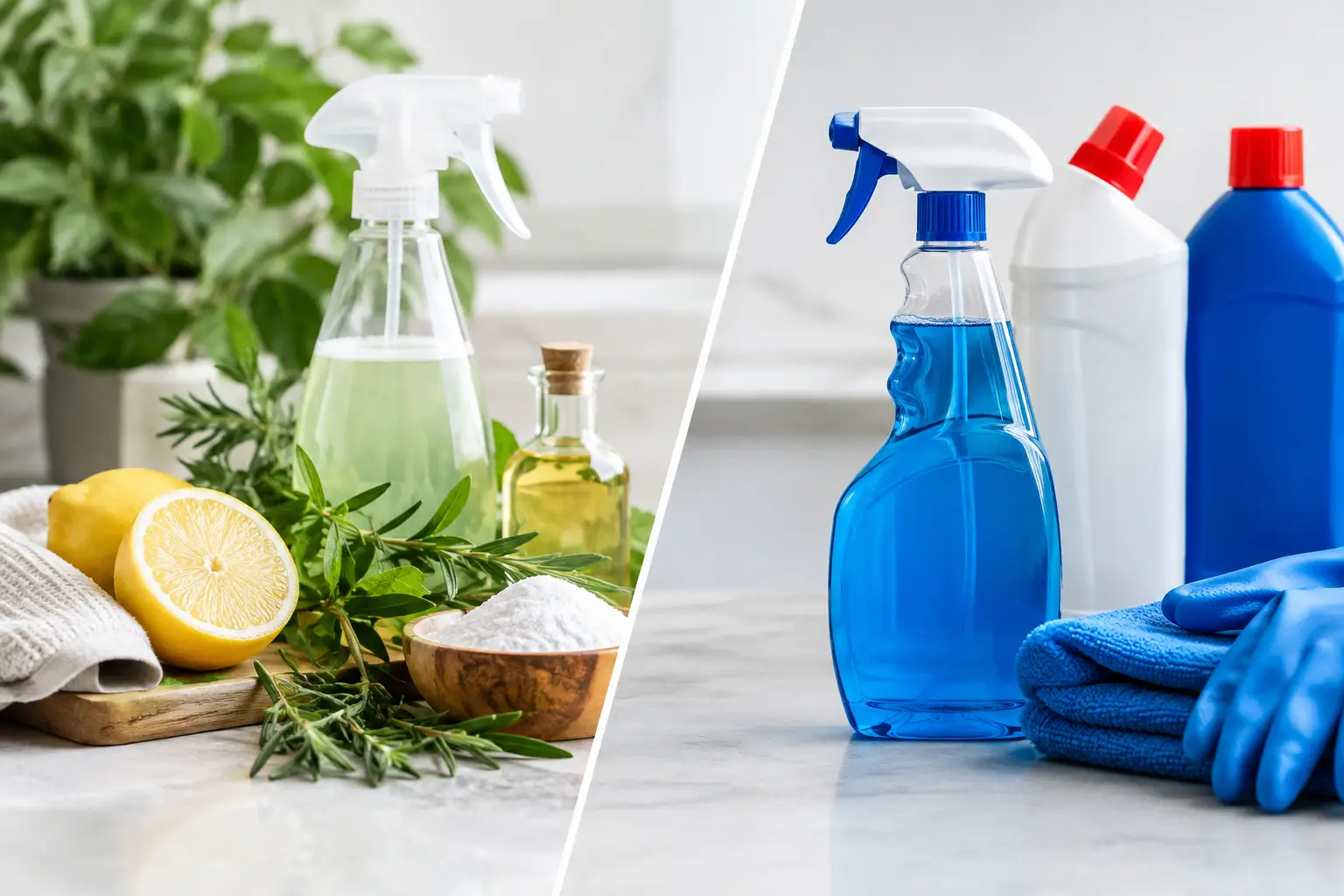
Plant based versus synthetic disinfectants: what is the difference?
The terms describe a product’s ingredients or active chemistry, but they do not tell the whole story. A plant-based disinfectant may use an active ingredient derived from botanical sources, such as thymol, which is associated with thyme oil. Other products may be plant-based in part while using additional ingredients to stabilize the formula, help it spread, or preserve it.
Synthetic disinfectants often use active ingredients such as quaternary ammonium compounds, sodium hypochlorite bleach, hydrogen peroxide, or alcohols. These formulas are common because they can be effective against a broad range of organisms, are widely available, and may work quickly when used as directed.
Neither label should be treated as a shortcut for safety or effectiveness. Plant-based does not automatically mean non-toxic, gentle on every surface, or safe to use around pets without precautions. Synthetic does not automatically mean dangerous or inappropriate. Concentration, ventilation, surface compatibility, contact time, storage, and proper use all matter.
The most useful question is not, “Which category wins?” It is, “What does this space need, and what product can do that job with the least unnecessary impact?”
Effectiveness depends on the claim
A true disinfectant should have an EPA registration number on its label in the United States. That registration means the product has been reviewed for its stated antimicrobial claims when used as directed. Read the label for the specific germs listed, the required dilution, and the contact time.
Contact time is especially important. If a product requires a surface to remain wet for five or 10 minutes, a quick spray-and-wipe will not deliver the advertised result. On the other hand, using more product than directed does not make disinfection better. It can leave residue, create unnecessary exposure, and damage finishes.
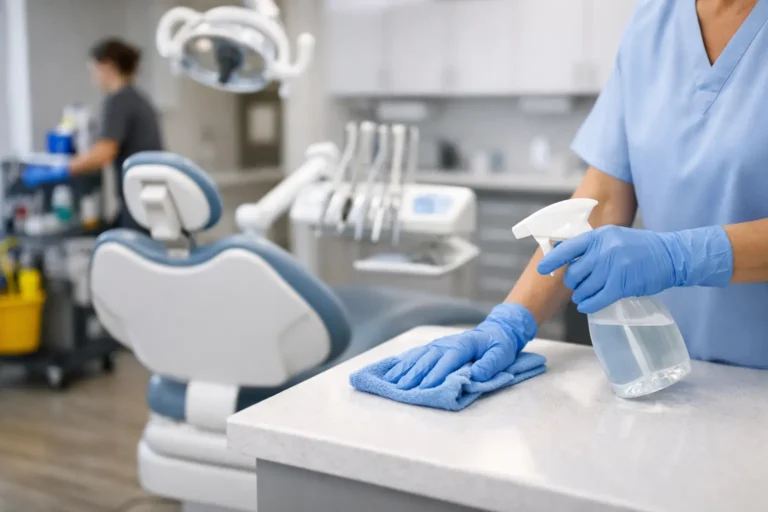
For illness-related cleanup, shared restroom surfaces, food-prep contamination, and high-traffic commercial settings, an EPA-registered product with the appropriate label claim is the responsible choice. In medical clinics, dental offices, schools, and similar spaces, facility protocols and applicable regulations may require particular products and procedures.
Health and indoor-air considerations
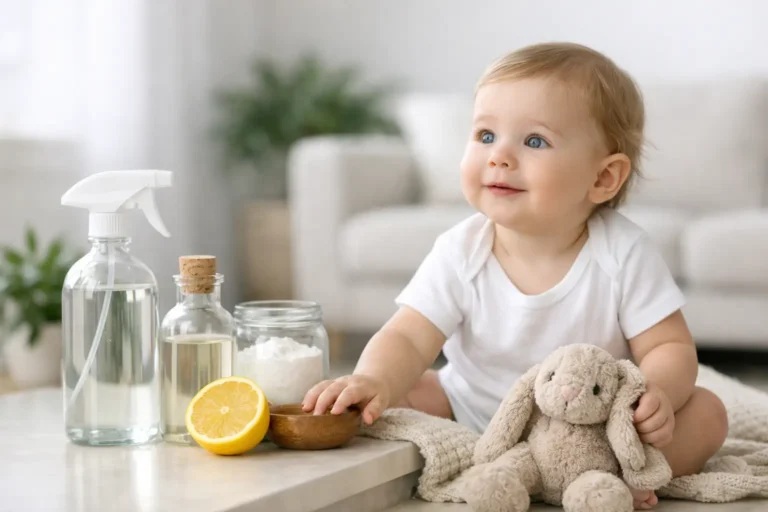
Many households choose plant-based products because they want fewer harsh odors and a more comfortable indoor environment. That is a reasonable goal, particularly for families with young children, pets, asthma concerns, or scent sensitivities. Lower-odor formulas can make routine cleaning more pleasant and may reduce the urge to over-ventilate a space during cold or windy New Mexico weather.
Still, “natural” is not the same as risk-free. Essential oils and botanical compounds can trigger sensitivities in some people, and concentrated products should never be treated casually. Keep all cleaning products out of reach of children and pets, avoid getting products in eyes or on skin, and use ventilation when the label calls for it.
Synthetic products can also be used safely when directions are followed. The concern is often unnecessary frequency, poor ventilation, mixing incompatible chemicals, or relying on a stronger product than the task requires. Never mix bleach with ammonia, acids, or other cleaners. The fumes can be dangerous.
Surface care matters, too
The right disinfectant for a sealed restroom floor may not be right for natural stone, unfinished wood, painted surfaces, or certain metals. Bleach can discolor fabrics and damage finishes. Some acidic formulas can etch stone. Some disinfectants can leave sticky residue if overapplied.
Before using any product broadly, check its label and test a small, inconspicuous area when appropriate. For sensitive materials, routine cleaning with a compatible product may be preferable unless there is a clear disinfection need. Careful product selection protects your investment in floors, counters, fixtures, and furnishings.
When a plant-based option makes sense
A plant-based disinfectant can be a strong choice when it is EPA-registered for the germs and surfaces relevant to your needs, its contact time fits your workflow, and everyone using the space can tolerate the formula. It may be particularly appealing for routine high-touch disinfection in homes, offices, and customer-facing spaces where a lower-odor approach supports a more comfortable experience.
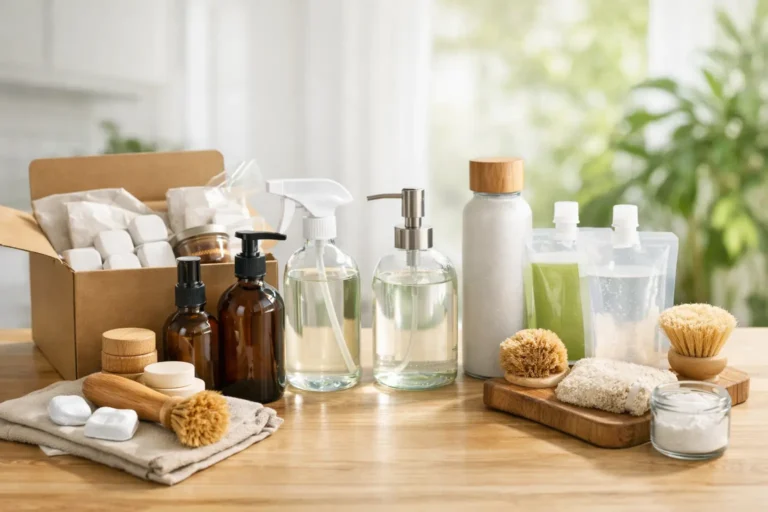
It also fits well within a broader sustainable cleaning plan. Using concentrated products correctly, avoiding disposable wipes when a reusable microfiber system is suitable, and cleaning first so you do not overuse disinfectant can all help reduce waste. Environmental responsibility is not just about the ingredient source. It is also about how much product is used, how it is packaged, and whether it is applied only where it is needed.
When a synthetic disinfectant may be the better fit
There are situations where a conventional disinfectant is the clearest practical option. You may need a specific pathogen claim, a shorter contact time, compatibility with an established commercial protocol, or a product approved for a particular setting. During an outbreak, after a known contamination event, or in a facility with detailed sanitation requirements, those factors deserve priority.
Choosing a synthetic product in those moments is not abandoning a healthier cleaning philosophy. It is using the right level of intervention for the risk at hand. The goal is not to avoid every conventional chemical at all costs. The goal is to protect people thoughtfully while avoiding harsh products when they are unnecessary.
A balanced approach for homes and businesses
For day-to-day care, focus on regular cleaning of floors, counters, desks, sinks, and frequently touched surfaces. Use a disinfectant strategically after illness, in restrooms, on shared touchpoints, and where food safety or facility procedures require it. Always remove visible dirt first, follow the label exactly, and use separate cloths for different areas to prevent spreading contamination.
For busy families, this approach prevents cleaning from becoming overwhelming. For business owners and property managers, it supports a consistent standard without treating every surface as a chemical-heavy emergency. A customized professional cleaning plan can also help ensure that routine cleaning, deep cleaning, floors, grout, and targeted disinfection receive the right kind of care.
A healthier space is built through thoughtful habits: clean often, disinfect with purpose, and choose products based on proven performance rather than marketing language alone. Your family, employees, clients, pets, and the New Mexico environment all benefit when clean is also conscientious.