How to Schedule Recurring Cleanings That Work
A cleaning schedule should make your week feel lighter, not create another appointment to manage. The best answer to how to schedule recurring cleanings is not simply picking a weekly slot. It is choosing a rhythm that fits the people, pets, traffic, and everyday demands in your space – while keeping the products used around your family, employees, and customers safe.
A recurring plan gives you more than a tidy room before guests arrive. It prevents buildup, protects high-use surfaces, and gives you back time for work, family, and the parts of New Mexico life that matter most. The key is creating a plan that is realistic enough to keep.
Start With the Cleaning Frequency Your Space Needs
Weekly, biweekly, and monthly service can all be the right choice. The difference comes down to how quickly your space gets used, not whether you think you “should” be cleaning more often.
Weekly cleaning is often a good fit for busy families with children, multi-pet households, homes with allergy concerns, and workplaces with steady daily traffic. Kitchens, bathrooms, entryways, and shared surfaces get attention before dirt, hair, dust, and fingerprints have a chance to become a bigger job. For offices, clinics, schools, and customer-facing businesses, weekly service can also help maintain a professional environment for staff and visitors.
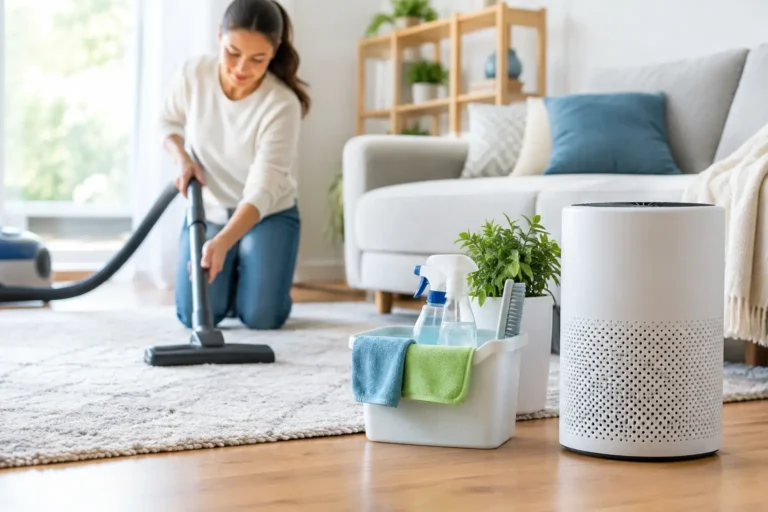
Biweekly cleaning works well for many households. It provides dependable upkeep without requiring a weekly visit, especially when the home has a moderate number of occupants and residents can handle light tasks between appointments. A professional cleaner can take care of the deeper routine work – bathrooms, floors, dusting, kitchen surfaces, and more – while you manage daily dishes and small spills as they happen.
Monthly cleaning may suit a smaller household, a lightly used second home, or a business with low foot traffic. It is usually best when someone is already doing regular maintenance between visits. If you wait a month in a busy household with pets and children, the appointment may need to function more like a deep clean each time.
There is no prize for choosing the least frequent schedule. If clutter, grime, or stress starts building before the next visit, a more regular cadence may be the more practical and cost-effective option.
How to Schedule Recurring Cleanings Around Real Life
Before selecting a day, look at your household or business routine for two or three typical weeks. Consider when people are home, when pets need special attention, which rooms receive the most use, and when access to the space will be easiest. A cleaning appointment is more likely to stay consistent when it works with your actual schedule instead of an idealized version of it.
For homes, many clients prefer weekday appointments while adults are at work and children are at school. Others want a day before the weekend so they can relax in a clean home. If someone works from home, choose a time when meetings are light or reserve a quiet room where they can work without disruption.
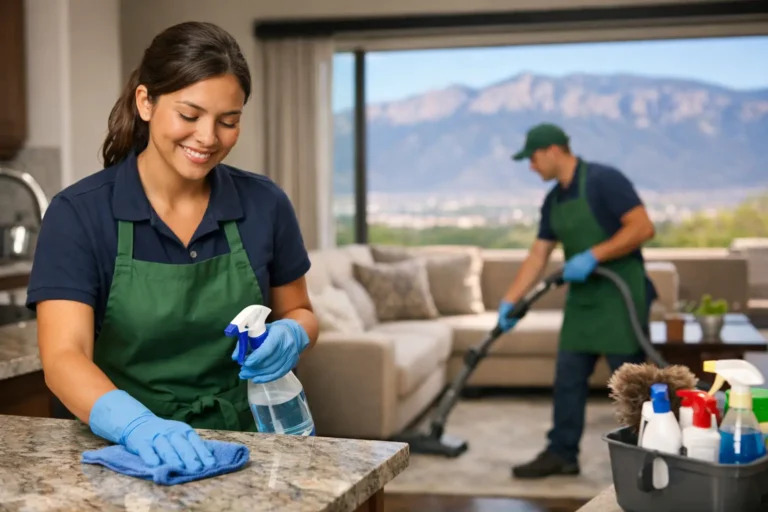
For commercial spaces, timing depends on operations. A medical office may need cleaning after patients leave. A professional office may prefer evening service so desks, restrooms, and common areas are ready for the next workday. A dealership, school, or other high-traffic facility may need a customized plan that prioritizes restrooms, entrances, floors, and touchpoints at the times they need attention most.
Once you choose a preferred day, ask for a recurring appointment window rather than assuming every visit will begin at the exact same minute. Cleaning teams can face traffic, prior appointments that require extra care, and changes in the day. A reasonable arrival window gives everyone flexibility while preserving the dependability of a regular service day.
Choose a Day You Can Protect
The best recurring cleaning day is one you can protect from avoidable conflicts. Put the appointments on your household calendar or business schedule as soon as they are booked. If you know a recurring meeting, pickup, or delivery happens at the same time, choose another slot from the start.
For residential visits, decide who will provide access. That might mean being home, leaving a key through an approved arrangement, providing a door code, or coordinating with a property manager. For commercial properties, identify the point person who can handle access questions, alarm procedures, or last-minute changes. Clear access instructions protect both your schedule and the cleaning team’s time.
Build the First Visit Around Your Starting Point
Recurring cleaning works best after the space has been brought to a maintainable baseline. If it has been several months since a detailed cleaning, if you are settling into a new home, or if your workplace has accumulated floor or grout buildup, begin with a deep clean or targeted specialty service.
This first visit gives recurring maintenance a fair starting point. Instead of spending every appointment catching up on neglected buildup, your cleaner can focus on keeping surfaces, bathrooms, floors, and high-use areas consistently clean.
Be candid about the condition of the space and what matters most to you. Maybe pet hair on upholstery is the daily frustration. Maybe the kitchen and bathrooms need priority because young children use them constantly. Perhaps your office lobby and restrooms shape customers’ first impressions. A customized plan should reflect those realities.
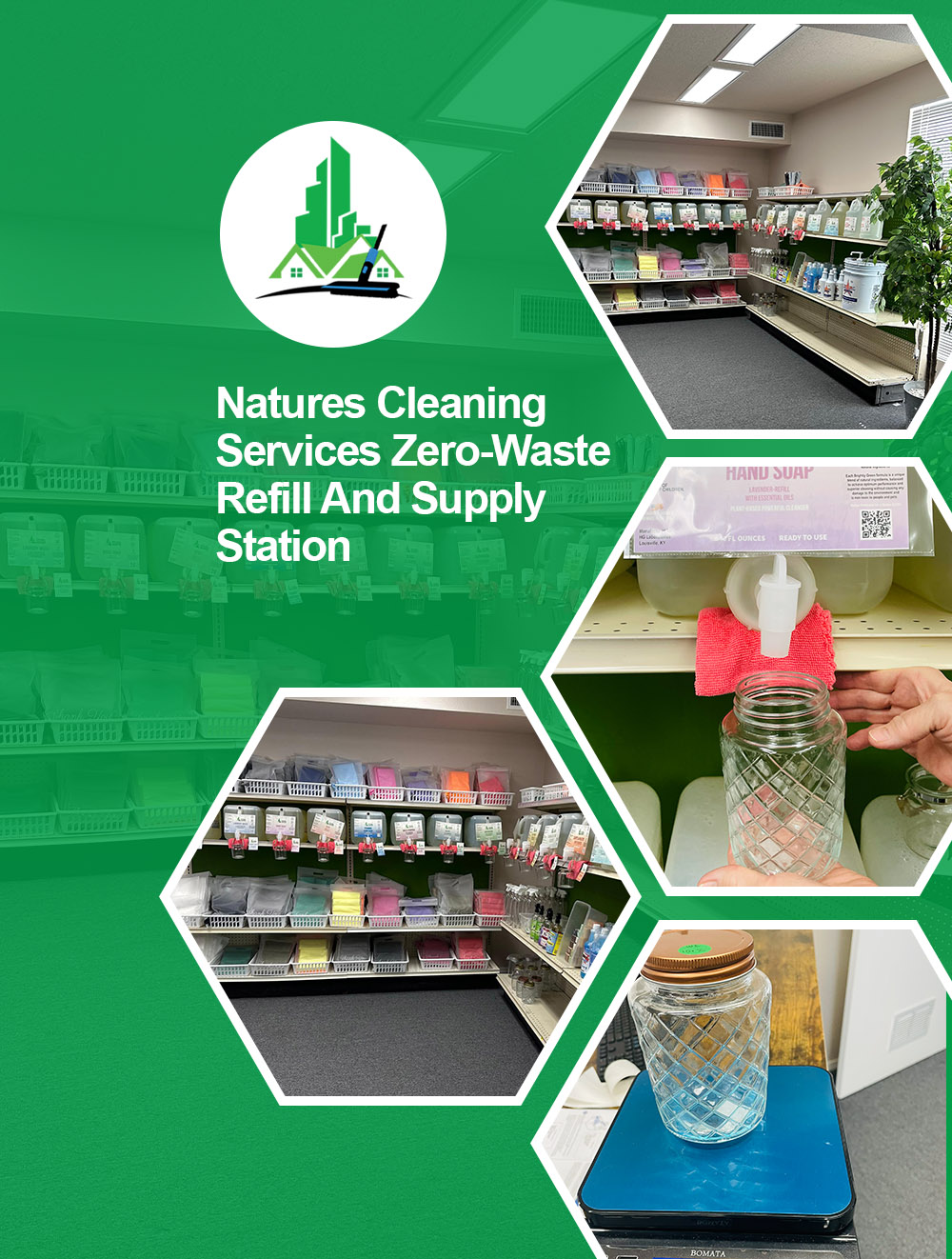
At Natures Cleaning Services, plant-based, non-toxic products help deliver a thorough clean without asking families, pets, employees, or visitors to live with harsh chemical residue. That matters especially in spaces where people spend long hours indoors or where children and animals are close to floors and surfaces.
Set Clear Priorities for Each Recurring Visit
A recurring cleaning plan should cover the essential routine tasks, but it should not be vague. Before service begins, discuss the rooms included, the surfaces that need special care, and any areas that should receive extra attention.
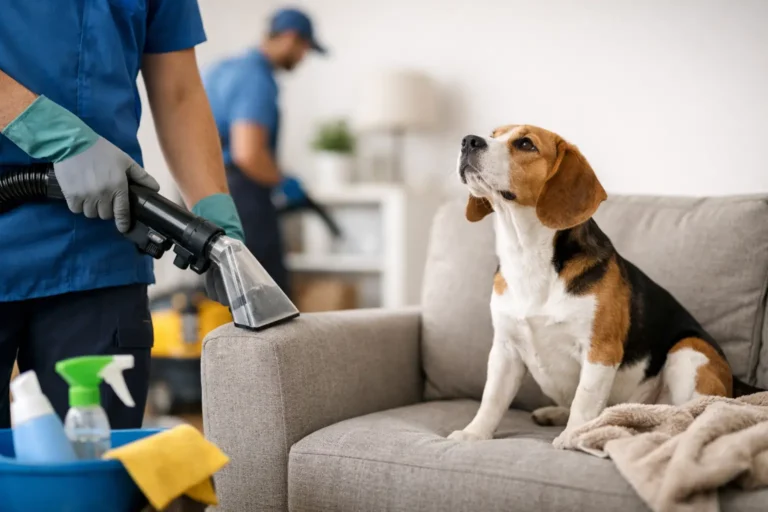
A home plan may prioritize kitchen counters and appliances, bathroom sanitation, dusting, vacuuming, mopping, and pet-hair control. A commercial plan may focus on restrooms, break rooms, touchpoints, flooring, trash removal, and customer-facing areas. The exact checklist should be shaped by your property, not copied from someone else’s.
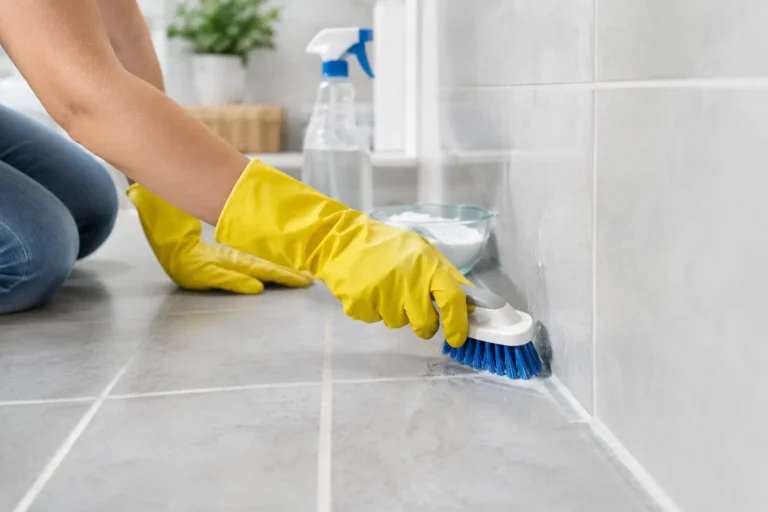
It also helps to separate routine cleaning from occasional needs. Inside cabinets, interior windows, detailed grout cleaning, oven cleaning, floor restoration, and move-in or move-out service may require additional time or a separate appointment. Asking for these services early helps your cleaning provider plan appropriately and prevents disappointment on a standard maintenance visit.
Make the Appointment Easy to Keep
A few simple habits make a recurring plan run better. Pick up personal items, paperwork, toys, and loose belongings before the team arrives so more appointment time can go toward actual cleaning. Secure pets if they are anxious around new people, or share clear instructions for pets that are comfortable staying out. Let the team know about delicate surfaces, areas to avoid, and changes such as a new baby, illness, renovation, or visiting guests.
Communication matters just as much after the first visit. If your schedule changes temporarily, request an adjustment as early as possible. If one room needs extra attention this month, say so. If the service level no longer matches the way your home or business is being used, revisit the frequency rather than letting frustration build.
Review Your Plan as Life Changes
Recurring cleaning is not a permanent setting. A new pet, a growing family, a busier work season, a move, or changes in office occupancy can all affect what your space needs. Review the plan every few months and ask one practical question: is the space staying comfortably clean between visits?
If the answer is yes, your schedule is doing its job. If not, the solution may be more frequent cleaning, a deeper reset, or a revised priority list. The goal is not perfection. It is a healthy, welcoming space that supports the people who use it without adding more pressure to their day.
A good recurring cleaning schedule gives you something valuable: the confidence that your home or workplace will be cared for consistently, with products and practices that respect the people inside and the environment outside.