Green Cleaning for Workplaces That Protects Health
The smell of harsh chemicals should not be the signal that an office, clinic, school, or dealership is clean. Employees and visitors spend hours indoors, often around freshly cleaned desks, restrooms, break rooms, and floors. Green cleaning for workplaces offers a better standard: professional results that support a healthier space without relying on unnecessary chemical exposure.
For business owners and property managers, this is not just an environmental preference. Cleaning choices can affect employee comfort, indoor air quality, customer confidence, and the condition of the building itself. A thoughtful program helps keep everyday messes under control while showing your team and clients that their well-being matters.
What Green Cleaning for Workplaces Should Mean
Green cleaning is sometimes reduced to a bottle with a leaf on the label. Real workplace green cleaning is more complete. It considers the ingredients used, how products are diluted, the tools that apply them, the amount of waste created, and whether the process actually removes soil and germs effectively.
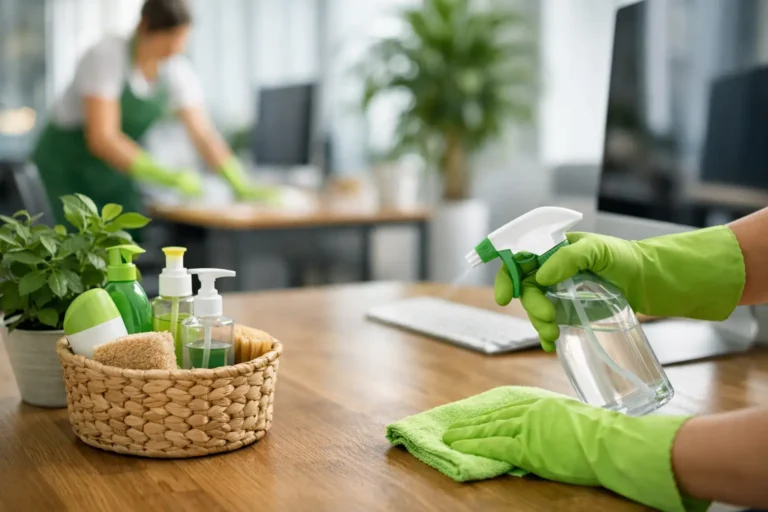
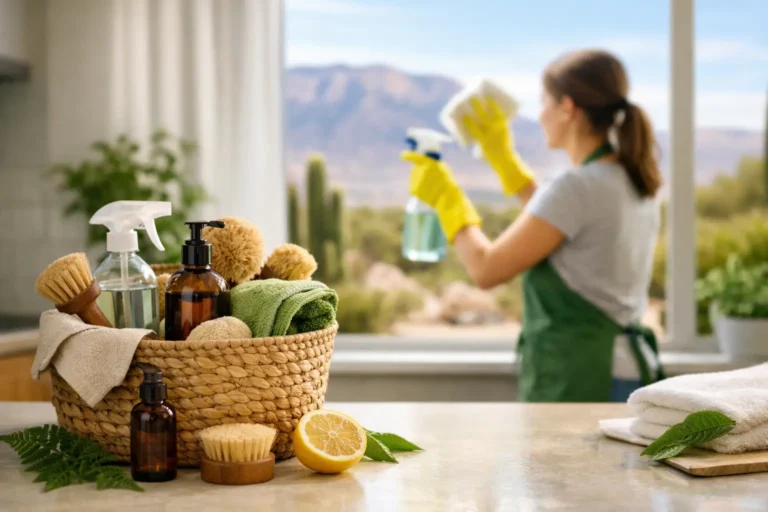
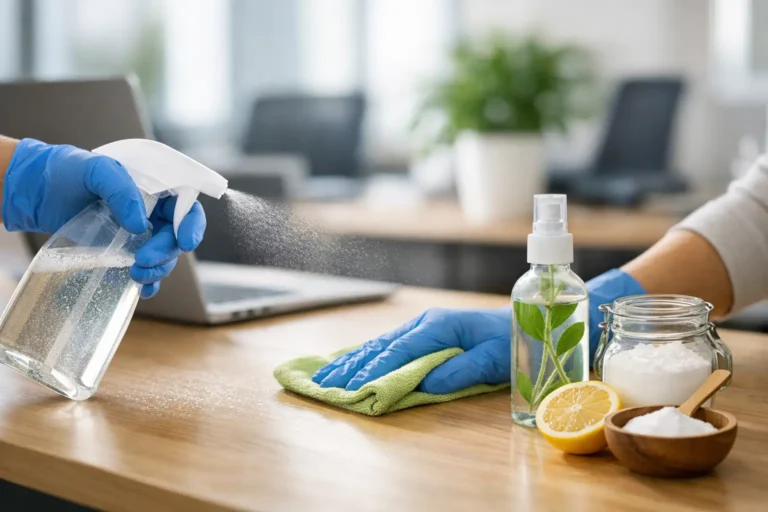
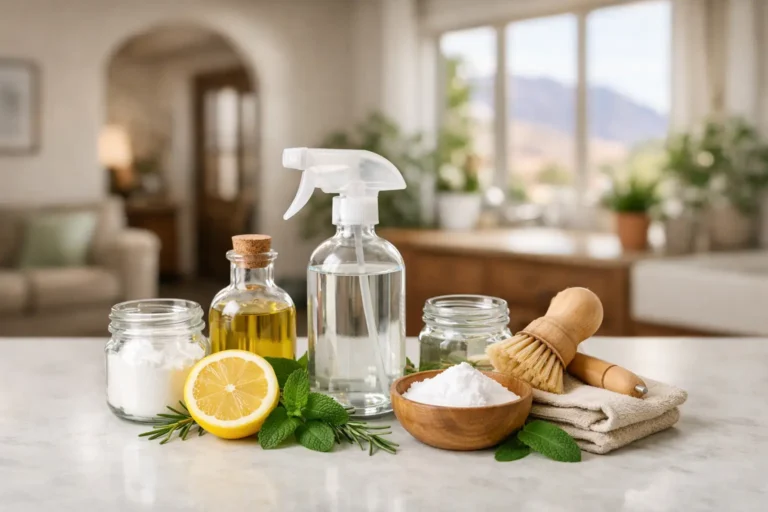
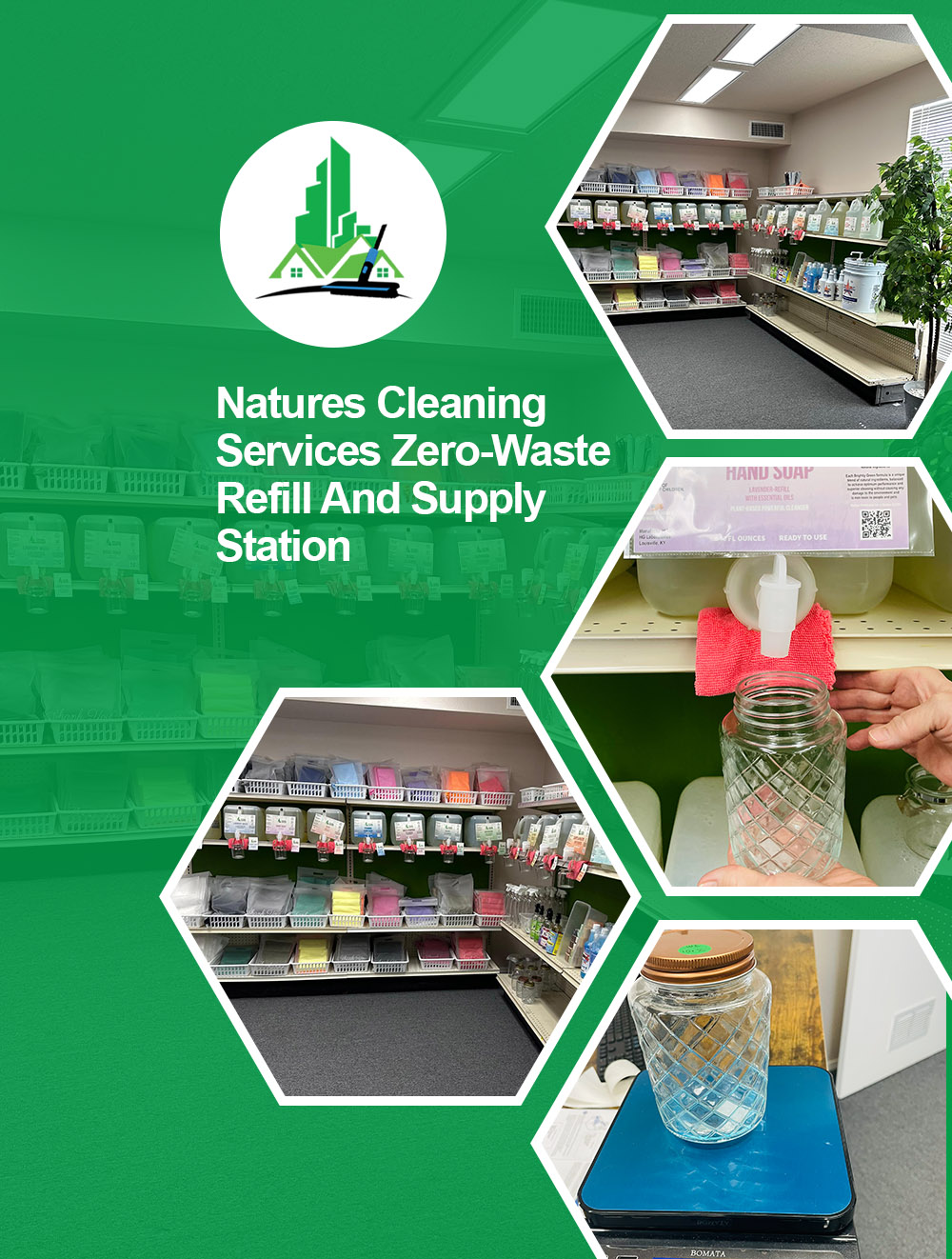
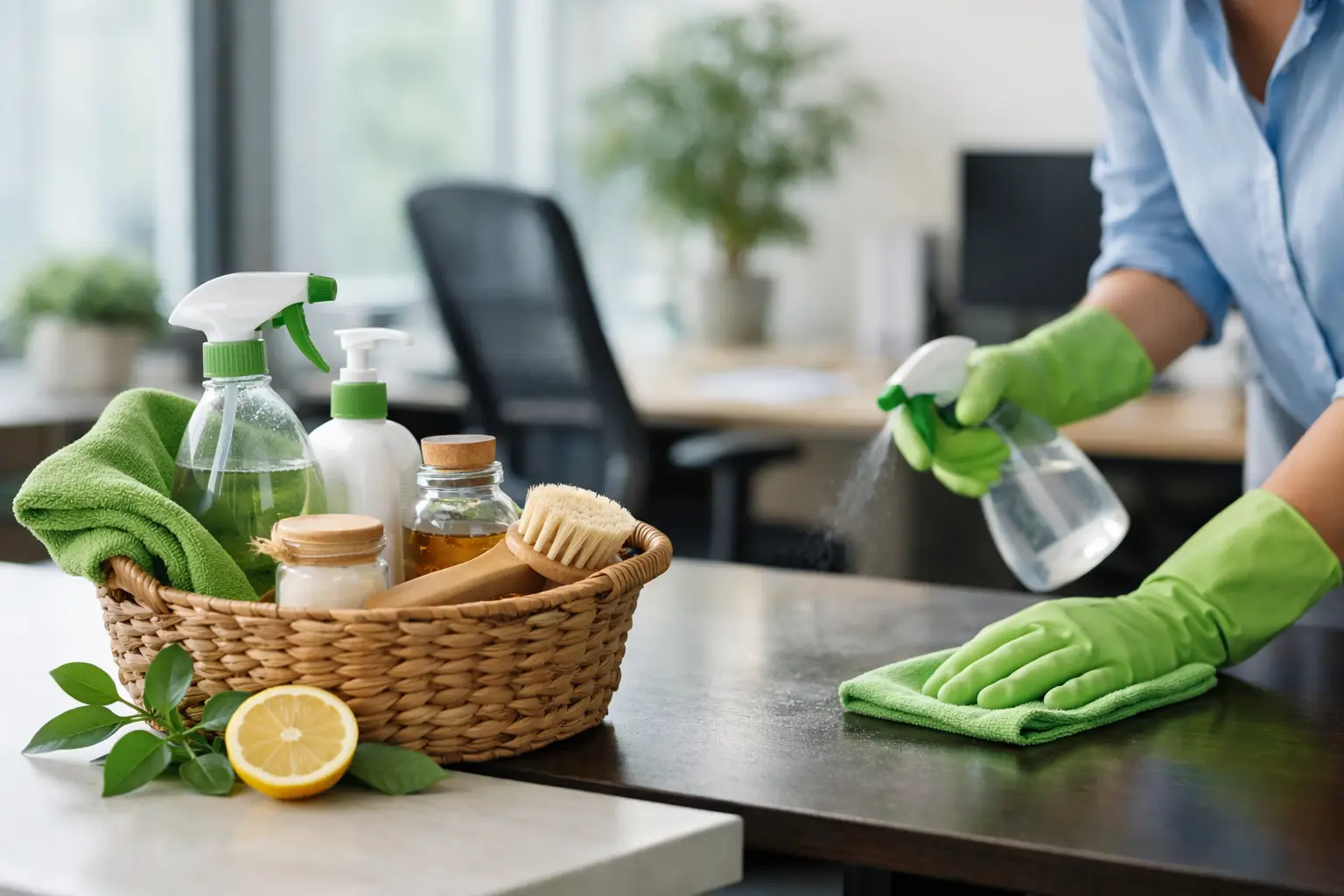
Plant-based and non-toxic products can clean countertops, glass, restroom fixtures, floors, and common touchpoints thoroughly when they are selected for the surface and used correctly. Microfiber cloths and mop systems capture dirt efficiently, often reducing the need for excess product and disposable wipes. Refillable concentrates can also cut down on single-use plastic containers.
The goal is not to use a weaker cleaner for the sake of a marketing claim. The goal is to use the least hazardous effective option for the job. That distinction matters. A lobby floor with tracked-in dirt needs a different approach than a dusty conference room, and a dental office may have cleaning and disinfection requirements that go beyond those of a standard professional office.
Why a Safer Cleaning Program Matters at Work
Workplaces collect more than visible dust. Door handles, shared keyboards, break-room counters, restroom fixtures, and waiting-room chairs all receive frequent contact. At the same time, strong fragrances and chemical residues can be uncomfortable for people with asthma, allergies, migraines, or sensitivities.
Choosing safer products can help reduce avoidable irritants in the places where your team works every day. This is particularly meaningful in schools, medical and dental offices, and customer-facing businesses where children, patients, and visitors may be present. It also supports a more welcoming experience for employees who are sensitive to fragrance or harsh fumes.
There is a practical business benefit, too. Clean, well-maintained spaces communicate care. Clients notice streaked glass, overflowing trash, dusty vents, and restroom odors quickly. Consistent cleaning protects the professional impression you have worked hard to create.
For local businesses in Albuquerque, Rio Rancho, Corrales, and surrounding communities, responsible cleaning also reflects a shared respect for New Mexico’s water, open spaces, and natural beauty. Reducing unnecessary waste and chemical-heavy runoff is one small but meaningful part of operating with care.
Start With the Spaces That Affect People Most
A green program works best when it is built around how your workplace is actually used. Instead of applying the same checklist everywhere, look at foot traffic, shared surfaces, visitor volume, flooring, and the needs of the people in the building.
High-touch surfaces and shared areas
Reception counters, door handles, elevator buttons, desks, phones, light switches, and break-room appliances deserve regular attention. These areas can often be cleaned with a non-toxic all-purpose product and fresh microfiber cloths. The key is proper technique: use clean cloths, avoid spreading soil from one area to another, and allow products the contact time they need.
Break rooms need special care because food, spills, and odors build up quickly. Wiping counters alone is not enough. A dependable routine includes cleaning tables, sink fixtures, microwave handles, refrigerator exteriors, cabinet pulls, and the area around trash and recycling containers.
Restrooms and odor control
A clean restroom is one of the clearest signs of a well-managed facility. Green cleaning does not mean ignoring difficult buildup or masking odors with heavy fragrance. It means removing the source of the problem through regular fixture cleaning, floor care, waste removal, and attention to drains and touchpoints.
Fragrance-free or lightly scented products are often a better fit for shared workplaces. They can leave the room feeling clean without creating the overpowering smell that some employees and guests find unpleasant.
Floors, grout, and entryways
Floors take the hardest daily wear. Sand, dust, moisture, and debris can scratch surfaces, dull finishes, and make an otherwise clean office look neglected. Entry mats, frequent vacuuming, and scheduled mopping help protect flooring while reducing the dirt carried deeper into the building.
For tile and grout, routine maintenance is far easier than waiting for discoloration to become severe. The right low-toxicity product and equipment depend on the surface. Natural stone, vinyl, sealed tile, carpet, and hardwood all require different care. Using a one-size-fits-all cleaner may save a few minutes now but can cause damage or residue over time.
Balance Green Products With Real Disinfection Needs
Cleaning and disinfecting are related, but they are not identical. Cleaning removes dirt, spills, and many germs from surfaces. Disinfection is designed to kill or inactivate specific pathogens and may be required in certain healthcare settings or during an illness outbreak.
A responsible program does not promise that every situation can be handled with the same product. Medical clinics, dental offices, and other regulated environments should follow their facility protocols and product directions for required disinfection. In those cases, the best approach may include an approved disinfectant used only where and when it is needed, followed by thoughtful cleaning practices throughout the rest of the facility.
This targeted approach avoids overusing stronger chemicals in low-risk areas while still taking health requirements seriously. It is a more honest and effective definition of safe cleaning.
Make Sustainability Part of the Routine
Products are only one piece of a greener workplace. Waste reduction, water use, laundry practices, and supply ordering matter as well. Small operational choices add up over a year of recurring service.
A sustainable cleaning plan may use reusable microfiber materials, refillable product systems, measured dilution, and durable tools rather than disposable alternatives wherever practical. Liners, paper goods, and specialty supplies still have a place in many buildings, especially where sanitation standards require them. The aim is progress, not perfection.
It also helps to match the cleaning schedule to the building. A busy customer showroom may need daily attention to glass, restrooms, and entry floors, while a smaller professional office may benefit from scheduled service a few times a week. Customized plans prevent both under-cleaning and unnecessary product use.
Questions to Ask a Commercial Cleaning Provider
When evaluating a cleaning provider, ask more than whether they offer “green” service. Ask what products they use, whether fragrance-free options are available, how they handle high-touch areas, and how they adapt service for your type of workplace. A dependable provider should be able to explain their process clearly rather than relying on vague promises.
You should also ask about consistency. Who checks quality? How are supplies managed? Can the schedule change during a seasonal rush, special event, or flu season? Reliable service means having a plan for the ordinary workweek and the occasional unexpected mess.
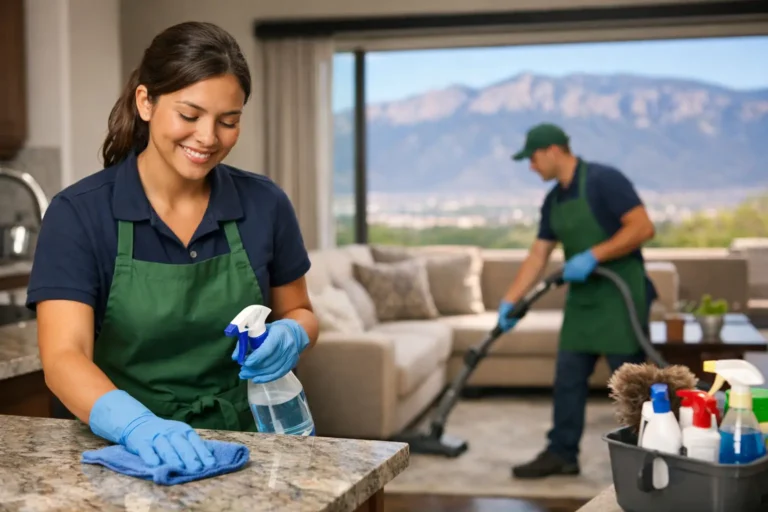
Natures Cleaning Services builds customized commercial cleaning plans around professional results, plant-based solutions, and the real needs of the people using the space. From recurring office cleaning to floor and grout care, the focus stays on creating a clean environment without asking your employees or customers to compromise their health for it.
A healthier workplace often begins with a simple decision: choose cleaning practices that care for the people inside the building as thoughtfully as they care for the building itself.