How to Sanitize Kitchen Naturally and Safely
The cutting board that held raw chicken, the refrigerator handle everyone touches, and the counter where lunch is packed all need more than a quick wipe. Learning how to sanitize kitchen naturally starts with one useful distinction: cleaning removes grease, crumbs, and much of the everyday grime; sanitizing reduces germs on a properly cleaned surface. Both matter when you want a kitchen that feels fresh without bringing harsh chemical residue into the place where your family eats.
A low-tox kitchen routine can be highly effective, but it should be honest about what each product can do. Vinegar, baking soda, and fragrant essential oils have their place in cleaning, yet they are not reliable sanitizers for high-risk messes. The safest approach combines thorough cleaning, heat when appropriate, and carefully chosen products that are labeled for sanitizing.
How to sanitize kitchen naturally without guessing
The word “natural” should never mean making up a solution and hoping it works. A product can be plant-based, low-odor, and thoughtfully formulated while still carrying clear directions for killing or reducing germs. Look for a sanitizer intended for the surface you are treating, especially for food-contact areas such as counters, cutting boards, sink basins, and highchair trays.
First, remove visible soil with a clean cloth, warm water, and a gentle dish soap or plant-based all-purpose cleaner. Grease and food particles can shield germs from a sanitizer, so this step is not optional. Rinse or wipe away the cleaner if the product directions call for it, then apply your chosen sanitizer evenly.
The contact time is where many routines fall short. A surface must stay visibly wet for the full time listed on the label. Spraying and immediately wiping might make a counter look clean, but it may not deliver the sanitizing result you expect. For food-prep surfaces, follow label directions about rinsing with potable water afterward.
For a more naturally minded choice, seek out an EPA-registered sanitizer with active ingredients and use instructions that fit your household’s needs. Some lower-tox options use ingredients such as lactic acid, citric acid, or thymol. Their suitability varies by product and surface, so the label is the authority, not the ingredient trend.
Start with the kitchen surfaces that need it most
You do not need to sanitize every square inch of the kitchen every hour. Focus your effort after tasks that create a real risk of cross-contamination and on touchpoints that collect germs throughout the day.
Sanitize counters and the sink area after preparing raw meat, poultry, seafood, or eggs. Wash hands first, keep raw-food packaging away from other dishes, and use a fresh cloth rather than the sponge that has been sitting by the faucet. If raw juices drip into the refrigerator or onto a drawer handle, clean and sanitize those areas right away.
Cutting boards deserve special attention. Wash them thoroughly with hot, soapy water after each use, paying attention to knife grooves. A dishwasher can be an effective sanitizing option for dishwasher-safe boards and utensils because heat does much of the work. Replace deeply scarred plastic boards and wood boards with cracks or separation, since damaged surfaces are harder to clean fully.
Do not overlook handles, knobs, faucets, appliance buttons, cabinet pulls, and the trash-can lid. These are high-touch surfaces, particularly in busy homes where children, guests, or pets move through the kitchen all day. Clean them regularly and sanitize them after someone in the home has been ill.
Use heat as a practical low-tox tool
Heat is one of the most dependable ways to support a naturally safer sanitation routine. Run dishwasher-safe dishes, utensils, and kitchen tools through a complete dishwasher cycle. Let the machine finish its drying cycle rather than towel-drying items with a cloth that may carry bacteria.
For reusable dishcloths, wash them frequently in hot water and dry them completely. Damp fabric is an inviting environment for odor-causing bacteria. Keep several clean cloths on hand so you can switch one out after wiping raw-food spills or heavily soiled surfaces.
Steam can also be useful on certain sealed, nonporous surfaces, but it is not a universal answer. High heat can damage unsealed stone, laminate edges, painted cabinets, wood, and some appliance finishes. It can also cause burns if used carelessly. Test a small hidden area and follow the manufacturer’s guidance before bringing steam into your routine.
Skip the popular shortcuts that do not sanitize
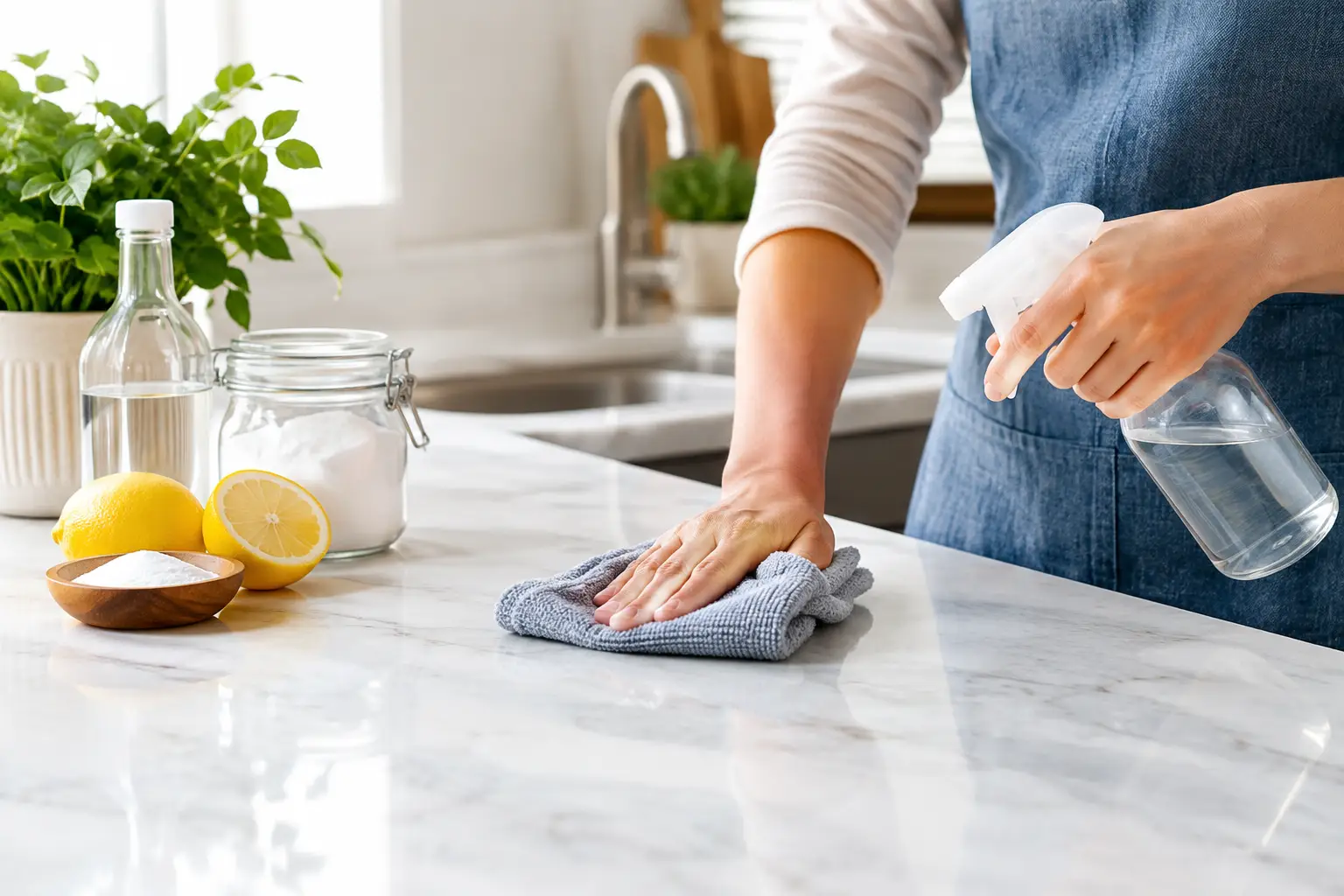
A lemon half can make a cutting board smell brighter, and baking soda is excellent for scrubbing a stained sink. These are cleaning helpers, not proven sanitizers. The same is true of most homemade vinegar sprays. Vinegar can cut light mineral buildup and everyday grime, but household vinegar is not strong enough to be counted on for sanitizing after raw-food preparation.
Essential oils should be treated with similar caution. A pleasant scent may make a kitchen feel clean, but fragrance is not evidence of germ reduction. Oils can also irritate sensitive skin, trigger headaches, or be unsafe around pets when used carelessly. Keep products simple, clearly labeled, and stored out of reach of children.
Never mix cleaning products in an attempt to make them stronger. Combining ingredients can create irritating fumes or damage surfaces. Even gentle products deserve careful use, proper ventilation, and attention to directions.
Keep sponges, sinks, and towels from spreading messes
The tool you use to clean can quickly become the source of a new problem. A sponge that wipes a counter, sink, stovetop, and table in one pass is moving food residue and moisture from place to place. Use separate cloths for dishes and counters when possible, and designate a different cloth for raw-meat cleanup.
Wash reusable cleaning cloths after use or at least daily in a busy kitchen. Let scrub brushes air-dry bristle-side up, and replace worn sponges often. If a sponge smells sour, feels slimy, or has been used on raw-food spills, replace it rather than trying to stretch its life.
The sink should be cleaned daily and sanitized after washing raw poultry, meat, or seafood. Start by removing dishes and food scraps. Clean around the drain, faucet base, and overflow openings, then sanitize the basin according to product directions. A clean dish rack matters, too, because clean dishes should not sit in standing water.
Build a routine that works on real weekdays
Consistency protects your household more than occasional marathon cleaning. After each meal, wipe crumbs and spills, wash dishes, and clean the counters. At the end of the day, give the sink, faucet, and frequently touched handles a little attention. After raw-food prep or illness, add a deliberate sanitizing step to the relevant surfaces.
Once a week, take a closer look at refrigerator shelves and drawers, the microwave handle, cabinet pulls, and the area around small appliances. Toss expired food and clean spills before they become sticky, odorous, or difficult to remove. Deep-cleaning tasks, such as behind the refrigerator, inside cabinets, and grout around the kitchen floor, can happen less often but should not be forgotten.
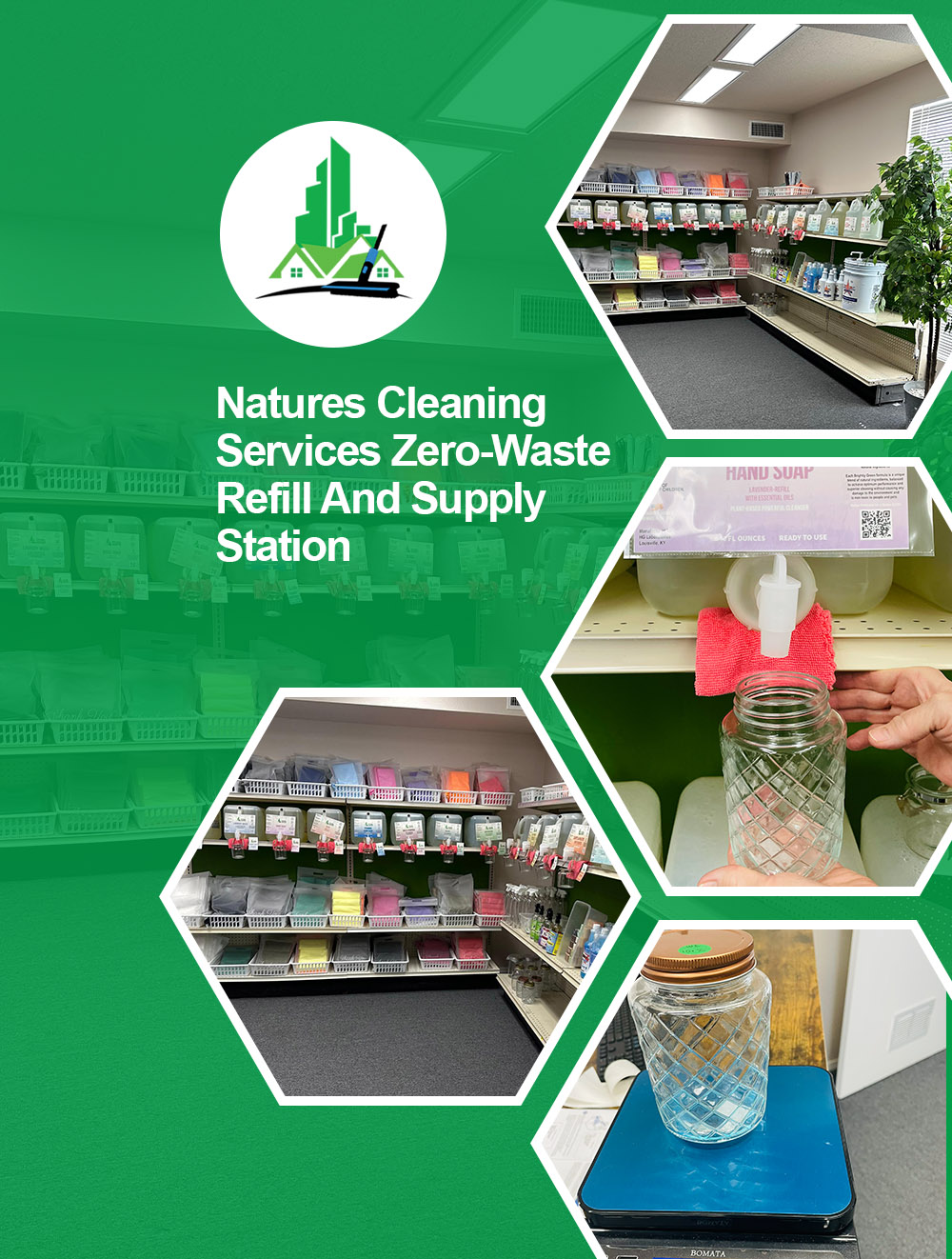
For families balancing work, school, pets, and full schedules, a dependable cleaning plan can make the difference between a home that feels manageable and one that always needs catching up. Natures Cleaning Services believes a clean home should support your health, not ask you to compromise it with unnecessarily harsh products.
Know when natural methods need backup
For everyday maintenance, gentle cleaners, careful handwashing, fresh cloths, and dishwasher heat go a long way. But some situations call for a verified sanitizer or disinfectant, even in a low-tox home. Think raw-meat spills, stomach illness, a household infection, mold concerns, or shared kitchen spaces with many users.
Sanitizing and disinfecting are not the same. Sanitizing lowers germs to a safer level, while disinfecting is designed to kill a broader range of pathogens. If someone is sick or a surface is contaminated with bodily fluids, choose a product labeled for that specific purpose and follow every direction, including contact time and ventilation guidance. Health and safety come before a homemade remedy.
A naturally safer kitchen is not about perfection or perfume. It is about using the right method at the right moment, keeping food-contact surfaces genuinely clean, and choosing products with care. That small, steady practice helps protect the people and pets gathered around your table every day.