Steam Cleaning vs Chemical Cleaning Compared
A sticky kitchen floor, pet accident on the carpet, or soap-scummed shower can make steam cleaning vs chemical cleaning feel like a simple choice. It is not. The best method depends on what is on the surface, what the surface can handle, and whether children, pets, employees, or customers will be using the space soon after cleaning.
For families and businesses that want a cleaner indoor environment without relying on harsh products, understanding the difference matters. Steam can be a powerful tool for certain jobs. Cleaning solutions, especially thoughtfully chosen plant-based options, are often essential for others. A healthy clean is about using the right approach, not treating every mess the same way.
Steam Cleaning vs Chemical Cleaning: The Core Difference
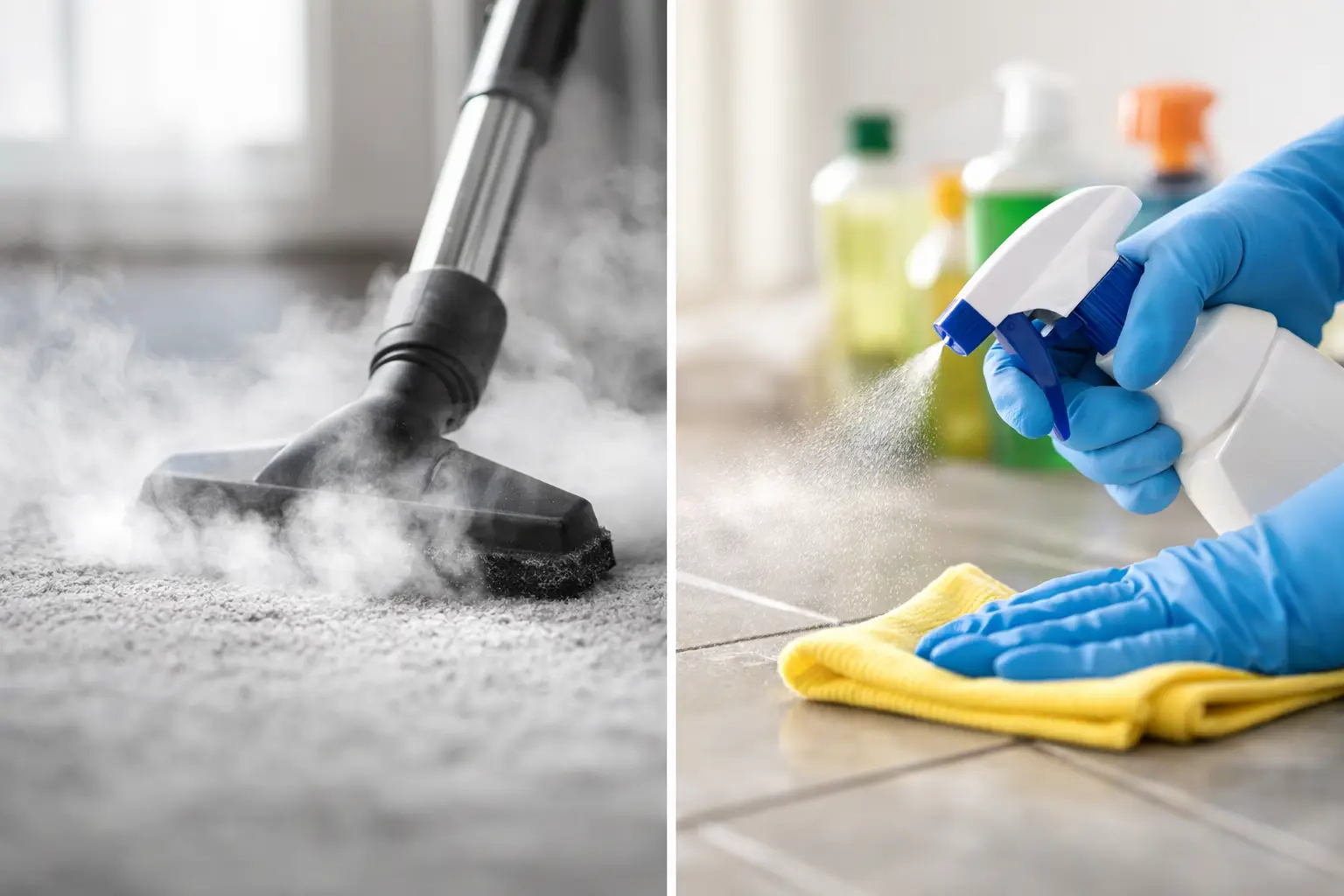
Steam cleaning uses heated water vapor to loosen dirt, oils, and residue. A steam machine directs hot vapor onto a surface, then a cloth, brush, or extraction process removes the released soil. Because the main cleaning agent is heat and water, steam can reduce the need for added products on suitable hard surfaces.
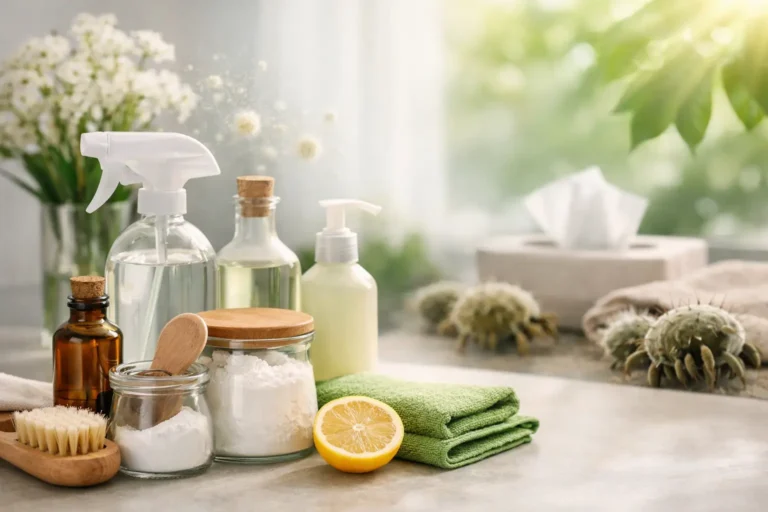
Chemical cleaning uses a formulated product to break down, lift, suspend, or disinfect specific types of soil. The word “chemical” covers a wide range of products, from conventional bleach-based disinfectants and heavy degreasers to biodegradable, plant-based cleaners. Every cleaning product is made of chemicals in the scientific sense, but the ingredients, fumes, residues, and intended use can be very different.
The practical distinction is this: steam relies primarily on heat, while cleaning products rely on ingredients designed to solve a particular problem. Grease, mineral buildup, odors, bacteria, mold-related staining, and sticky residue do not all respond equally well to one method.
Where Steam Cleaning Works Best
Steam is especially useful for sealed, heat-tolerant surfaces with stuck-on grime. In kitchens, it can help loosen residue around stovetops, backsplashes, appliances, and sealed tile. In bathrooms, it may help release soap scum around fixtures, shower tracks, and tile surfaces before wiping.
Steam can also be helpful for detailed work. Grout lines, window tracks, baseboards, and crevices often collect dust and grime that are hard to reach with a standard cloth. Used carefully, steam can soften buildup so it can be physically removed rather than repeatedly treated with stronger products.
The benefit for many households is straightforward: less added product in spaces where food is prepared, children play, and pets spend time. Steam leaves no cleaner residue behind when the area is properly wiped and allowed to dry.
That said, steam is not automatically the gentlest choice. High heat and moisture can damage unsealed wood, laminate, some vinyl flooring, delicate fabrics, painted surfaces, and certain countertop materials. It can also weaken adhesives, warp flooring, or force moisture into cracks and seams. A cleaner should always check the manufacturer’s care instructions and test a small, inconspicuous area first.
When Cleaning Solutions Are the Better Tool
A well-matched cleaning solution often does what steam cannot do efficiently. A degreaser may cut through oily residue on a range hood. A pH-appropriate product can address hard-water deposits around faucets and glass. An enzyme-based cleaner may be the better choice for pet accidents because it targets the organic material that causes lingering odors.
Cleaning products are also useful when soil needs time to break down. Steam acts quickly, but many messes respond best when a product is allowed to dwell on the surface for the recommended time before wiping, scrubbing, or rinsing. This gives the ingredients time to do their work instead of requiring excessive scrubbing.
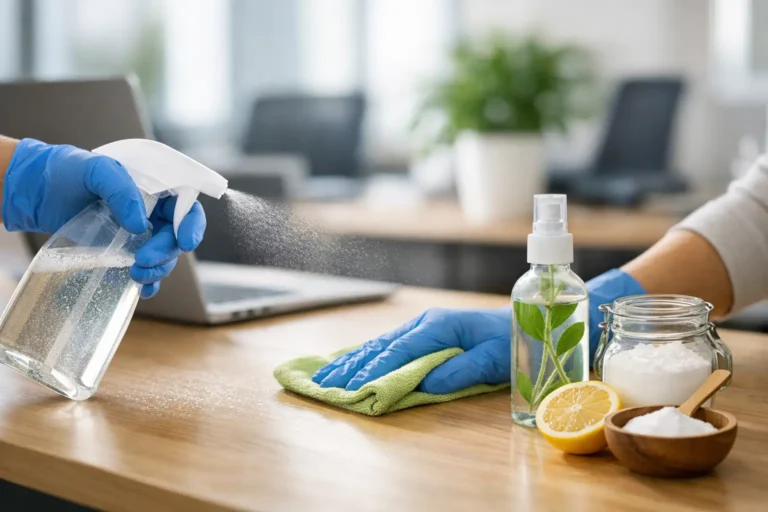
For disinfecting, the distinction is especially important. Steam may reduce microbes on a properly treated surface when enough heat reaches it for the right amount of time, but that is difficult to verify in everyday cleaning. In settings where disinfection is specifically needed, such as medical clinics, dental offices, schools, and high-touch commercial spaces, use a product labeled for the intended disinfecting purpose and follow its directions exactly. Cleaning and disinfecting are related, but they are not the same task.
A safer product choice does not mean a careless one. Even plant-based or non-toxic formulas should be used as directed, stored safely, and never mixed with other cleaners. The goal is to choose effective products with fewer harsh fumes and unnecessary residues, not to assume that any product is safe in any amount.
The Health and Indoor-Air Trade-Offs
Conventional cleaning products can contain strong fragrances, solvents, acids, chlorine-based ingredients, or other compounds that may irritate eyes, skin, or airways. People with asthma, allergies, chemical sensitivities, young children, and pets may be particularly affected by concentrated fumes or residues.
Steam avoids many of those concerns because it does not require fragrance or added cleaning agents for basic surface cleaning. However, steam creates moisture. In Albuquerque and surrounding communities, dry conditions can make evaporation quick in many homes, but poorly ventilated bathrooms, carpet backing, upholstery, and porous materials can still hold moisture longer than expected. Leaving dampness behind can create its own problems.
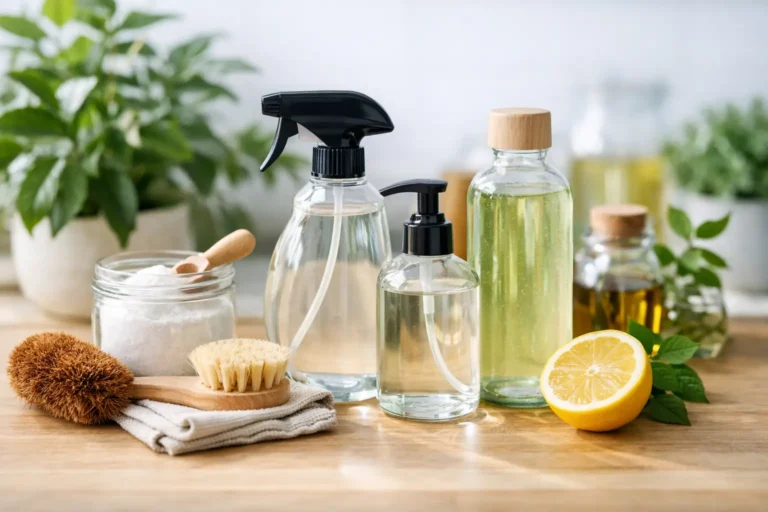
Plant-based cleaning solutions offer a practical middle ground for many routine jobs. They can lift dirt and grease while supporting a lower-fume, lower-residue approach. Their effectiveness still depends on using the right formula, dilution, tool, and contact time. “Eco-friendly” should never become an excuse for incomplete cleaning.
Choosing the Right Method by Surface and Mess
The smartest cleaning plans combine methods based on the job at hand. A sealed tile floor with tracked-in dirt may benefit from a low-residue floor cleaner followed by thorough mopping. Grout may need a specialized grout cleaner, agitation, and careful rinsing, while steam can assist with detail work in certain areas.
For a kitchen, a plant-based degreaser may be more efficient for greasy cabinet fronts and cooking surfaces, while steam can help around seams and crevices. For bathrooms, a mineral-deposit cleaner may be necessary where hard water has left cloudy buildup, while steam can loosen residue around tile edges and fixtures.
Carpet and upholstery require even more care. Hot water extraction, enzyme treatments, and professional spot-cleaning methods are often more appropriate than a handheld steam tool. Too much heat or moisture can set certain stains, damage fibers, or leave a musty smell if the material does not dry thoroughly.
Before choosing a method, consider four questions:
- Is the surface sealed, heat-safe, and moisture-safe?
- Is the mess grease, mineral buildup, organic matter, everyday dust, or a germ-related concern?
- Does the space require disinfection, or does it simply need soil and residue removed?
- Can the area be fully wiped, rinsed if needed, and dried afterward?
Those answers are more useful than a one-size-fits-all promise about steam or any single cleaning product.
What This Means for Homes and Workplaces
In a busy home, the right cleaning method should protect the people who live there without adding unnecessary steps to an already full schedule. Parents want floors where children can play. Pet owners want odors addressed at the source. Homeowners want kitchens and bathrooms that look truly clean, not just heavily fragranced.
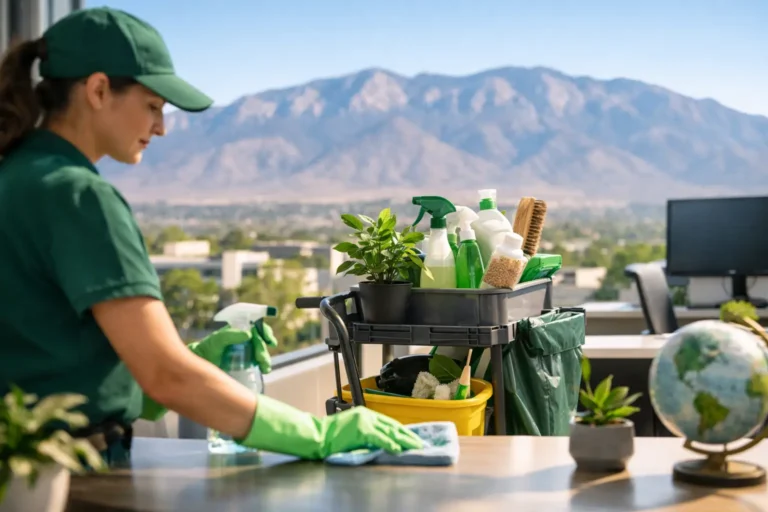
For commercial spaces, cleaning choices also shape how employees and visitors experience the building. Strong odors can be distracting in an office, unpleasant in a dealership showroom, or concerning in a clinic. At the same time, a professional environment needs dependable standards for high-touch surfaces, restrooms, floors, and shared spaces.
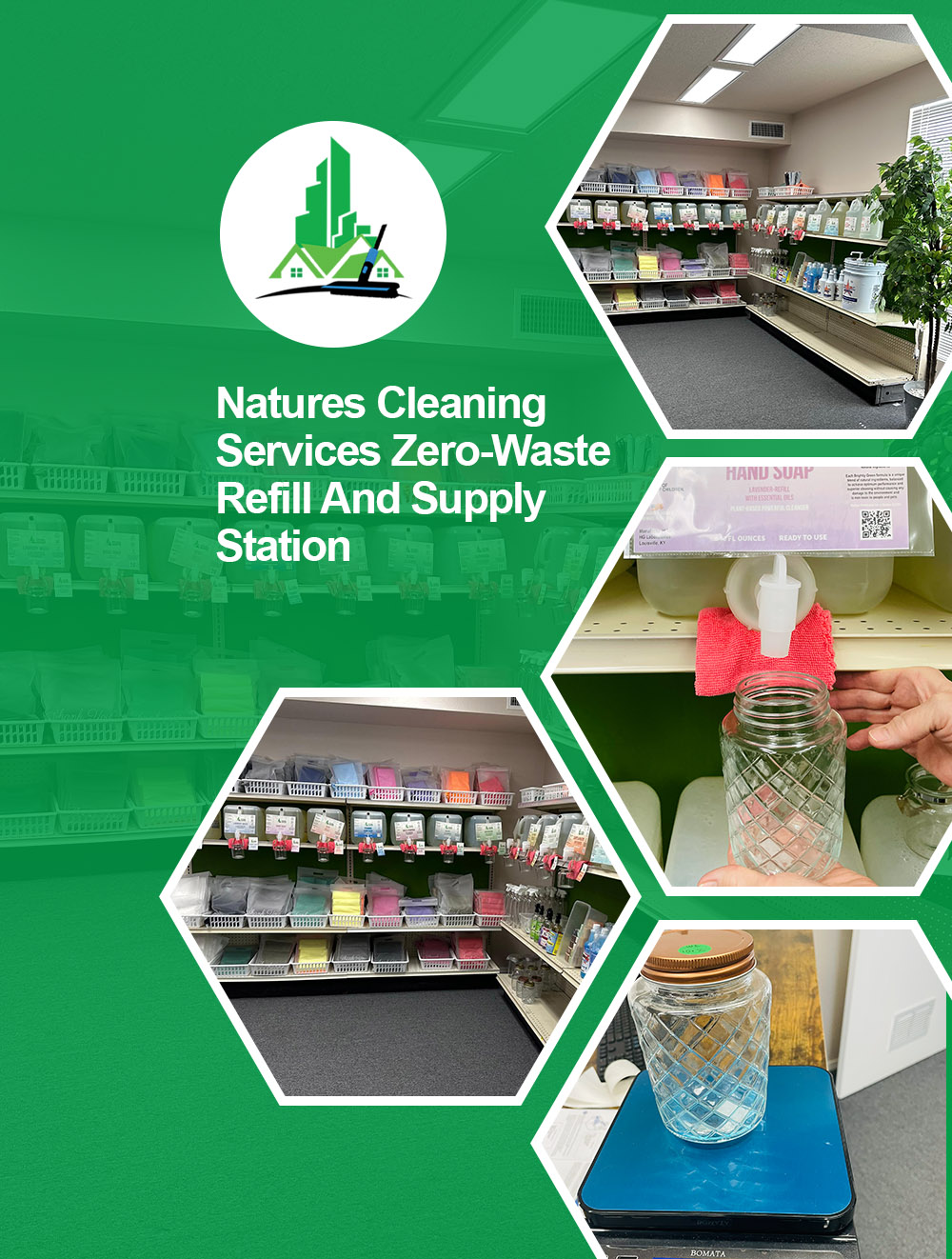
Natures Cleaning Services approaches these decisions with plant-based, non-toxic solutions and professional methods selected for the surface and the need. That means reducing harsh chemical exposure where possible while still using a targeted process for deep cleaning, floor care, grout cleaning, move-related cleaning, and recurring home or janitorial service.
A Cleaner Space Should Not Come at a Cost to Your Health
Steam cleaning can be an excellent low-product option for the right sealed surfaces and detailed cleaning tasks. Chemical cleaning, particularly with carefully selected plant-based solutions, remains essential for grease, stains, hard-water buildup, odor treatment, and situations requiring a verified disinfecting process.
The most responsible choice is not steam every time or cleaner every time. It is a thoughtful cleaning plan that respects the surface, removes the actual soil, protects indoor air, and leaves your home or workplace ready for the people who depend on it.