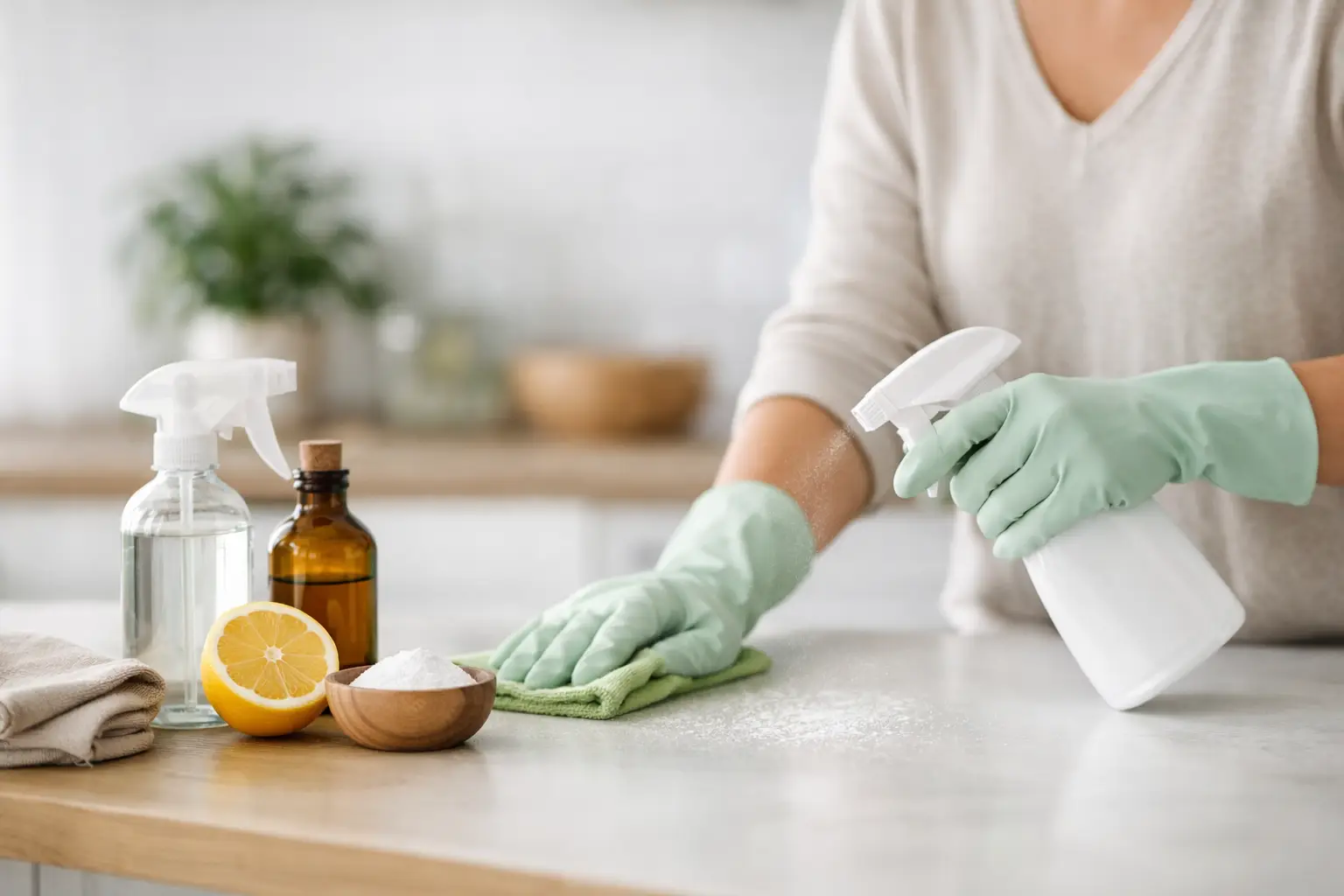
Benefits of Non Toxic Disinfecting at Home
A kitchen counter can look spotless and still carry the residue of a product you would not want near a toddler’s hands, a pet’s paws, or your next meal. That is why the benefits of non toxic disinfecting reach beyond appearances. The goal is not merely a fresh-looking home or office. It is a cleaner space that supports the health of the people who spend time there.
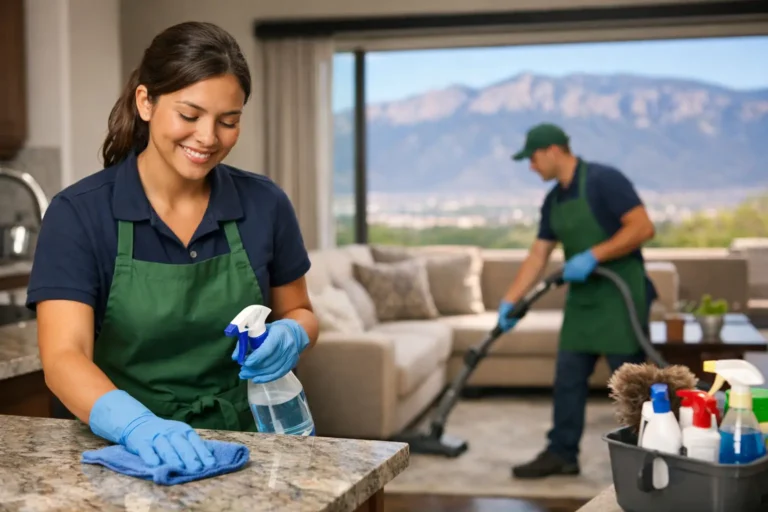
For families and businesses throughout Albuquerque, Rio Rancho, and nearby communities, choosing safer cleaning and disinfecting practices can reduce unnecessary chemical exposure while maintaining the professional standard of cleanliness they expect. It is a practical decision, not a compromise on results.
What Non Toxic Disinfecting Really Means
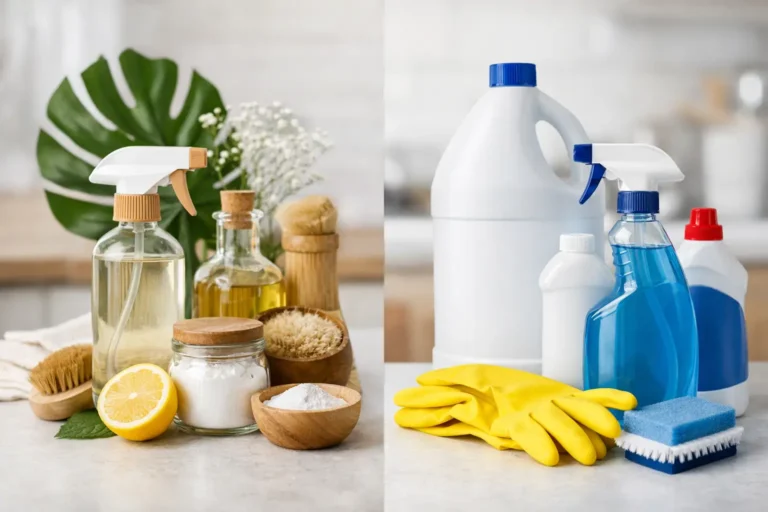
The phrase “non-toxic” is often used broadly, so it helps to look past the label. A safer disinfecting approach generally prioritizes products that are designed to be less hazardous to people, pets, and the environment when used as directed. Many plant-based and low-toxicity formulas avoid or reduce ingredients that can create strong fumes, leave irritating residues, or contribute to poor indoor air quality.
There is an important distinction between cleaning and disinfecting. Cleaning removes visible soil, crumbs, dust, grease, and many germs from a surface. Disinfecting is intended to kill or inactivate certain germs on a pre-cleaned surface, following the product’s directions and required contact time. Both matter. A disinfectant cannot do its best work through a layer of grime, and a clean-looking surface is not automatically disinfected.
“Non-toxic” also does not mean a product is harmless in every circumstance. Even gentler products should be stored securely, used according to their labels, and never mixed with other cleaners. The most responsible approach is one that matches the product and process to the actual need.
The Benefits of Non Toxic Disinfecting for Families
A home should feel like a place to breathe easily. Conventional chemical-heavy disinfectants can leave behind sharp odors that linger in bathrooms, kitchens, bedrooms, and play areas. For people with fragrance sensitivities, asthma, allergies, or frequent headaches, those fumes can make a freshly cleaned room feel less comfortable instead of more inviting.
Safer disinfecting products can help reduce that burden on indoor air. This is especially meaningful in homes where windows stay closed during hot summers, cold evenings, or windy New Mexico days. Less intense chemical odor does not mean less care. It means the clean can feel more compatible with everyday life.
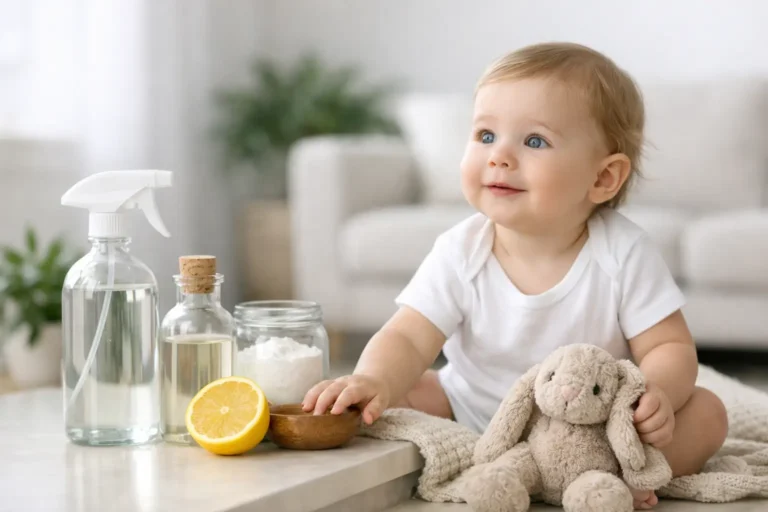
Parents also have good reason to think about what remains on high-touch surfaces. Children put their hands everywhere, then touch their faces, toys, and snacks. Pet owners know that dogs and cats investigate floors, rugs, and spills at close range. Using thoughtfully selected cleaning products helps reduce concern about harsh residues on the surfaces that families and pets encounter most often.
The benefits can be just as practical as they are personal. A cleaner that is easier to tolerate makes it more realistic to keep up with daily messes. When a product does not fill the house with an overpowering smell, people are often more willing to wipe down the dining table after homework, clean the bathroom sink between deeper cleanings, or refresh a muddy entryway before guests arrive.
A Better Fit for Shared Workplaces
In offices, clinics, schools, dealerships, and other commercial spaces, cleaning decisions affect more than the person doing the work. Employees, visitors, clients, and maintenance teams all share the indoor environment. Strong fumes in a break room or waiting area can be distracting, unpleasant, and difficult for sensitive individuals.
Non-toxic disinfecting supports a cleaner, more welcoming workplace without making the building smell like a chemical factory. That matters when clients are evaluating a business from the moment they walk in. A clean lobby, restroom, and reception counter communicate care. So does an environment where people can sit, work, or wait comfortably.
For businesses with recurring service, safer product choices can also support consistency. Rather than treating every space with the strongest possible chemical, a professional cleaning team can focus on the right routine for each area: routine cleaning for ordinary soil, targeted disinfection for high-touch points, and more intensive methods when a specific situation calls for them. That approach respects both sanitation needs and the people in the building.
Less Harshness Does Not Mean Lower Standards
One of the most common concerns about plant-based or non-toxic products is whether they actually work. The answer depends on the product, the surface, and how it is used. A pleasant scent, a green-looking bottle, or a homemade mixture does not automatically make something an effective disinfectant.
For everyday cleaning, gentler products can be highly effective at lifting dirt, oils, and residue. When disinfection is needed, use a product that is specifically labeled for the organisms or surface type in question, and follow its directions closely. Pay attention to contact time. If a disinfectant must stay wet on a surface for several minutes, spraying and immediately wiping it away may not deliver the intended result.
Some settings require more specialized protocols. Medical clinics, dental offices, food-preparation areas, and spaces affected by vomiting, blood, or a known contagious illness may need particular disinfectants and procedures. In those cases, safety means using an appropriate professional-grade product correctly, with the necessary precautions. A responsible non-toxic approach is not about refusing every stronger option. It is about avoiding unnecessary harshness while meeting the real sanitation requirement.
Protecting New Mexico’s Environment Starts Indoors
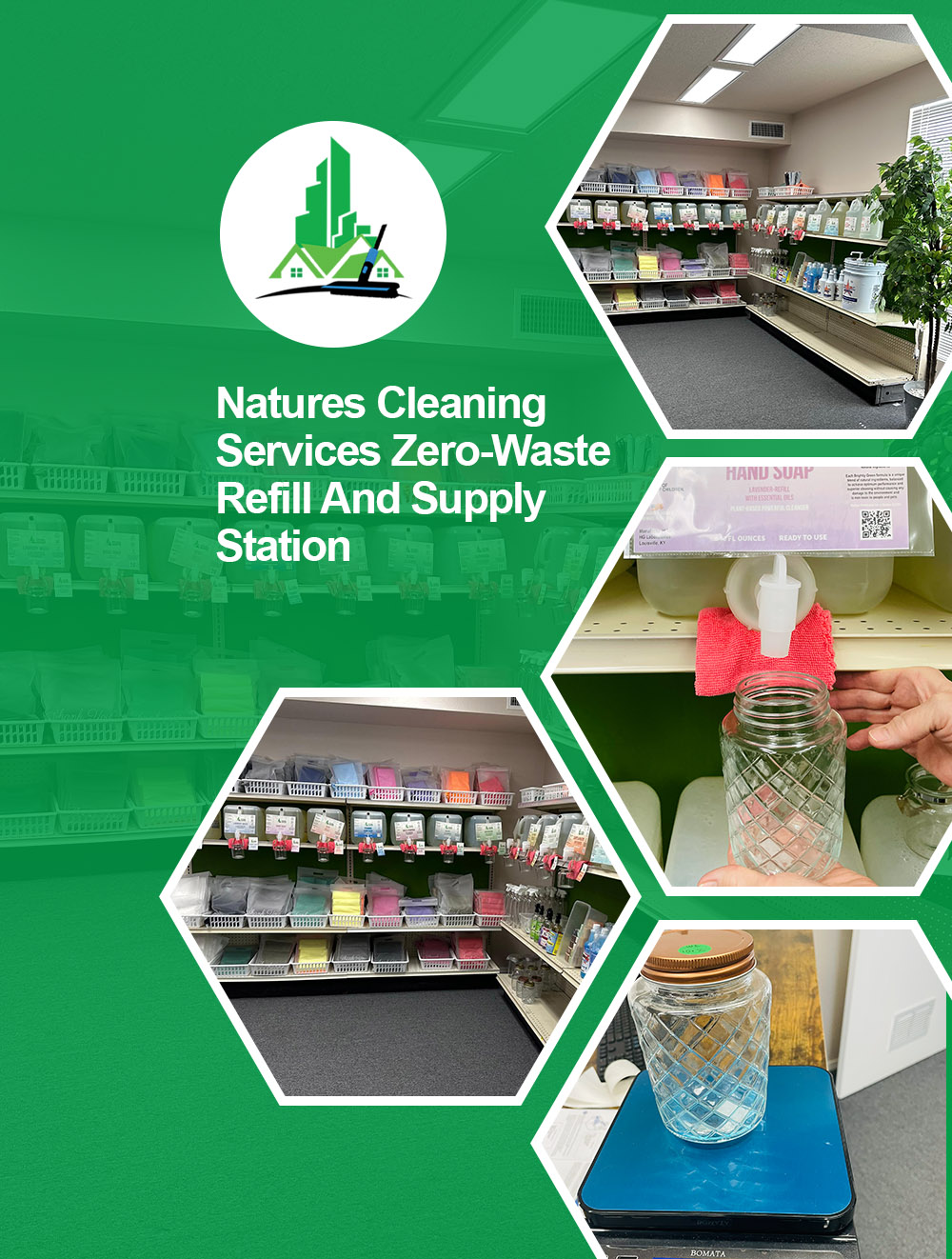
What is washed down a sink or rinsed from a mop does not simply disappear. Cleaning chemicals can eventually enter wastewater systems and affect the larger environment. Choosing concentrated refills, reusable containers, and thoughtfully formulated products can reduce single-use packaging and limit the amount of unnecessary chemical material moving through a household or business.
That choice has local value. Our desert landscape is beautiful and resilient, but water is precious here. Reducing waste and being mindful of what goes down the drain are small actions that reflect care for the communities we call home.
At Natures Cleaning Services, that responsibility is part of the work. Professional cleaning should leave a space healthier and more comfortable without asking families, employees, pets, or the environment to carry the cost.
Where Safer Disinfecting Makes the Most Difference
The highest-value disinfecting is usually targeted, not constant. High-touch surfaces deserve regular attention because many hands meet them throughout the day. Think of door handles, light switches, faucet handles, refrigerator pulls, toilet flush levers, phones, keyboards, shared desks, and remote controls.
Kitchens and bathrooms also need extra care because they combine moisture, food residue, and frequent contact. Still, not every surface needs daily disinfection. Floors, walls, decorative shelves, and low-touch furniture often benefit more from routine cleaning than repeated use of disinfectants. Using the right level of cleaning for the job helps protect finishes, reduces product use, and keeps routines manageable.
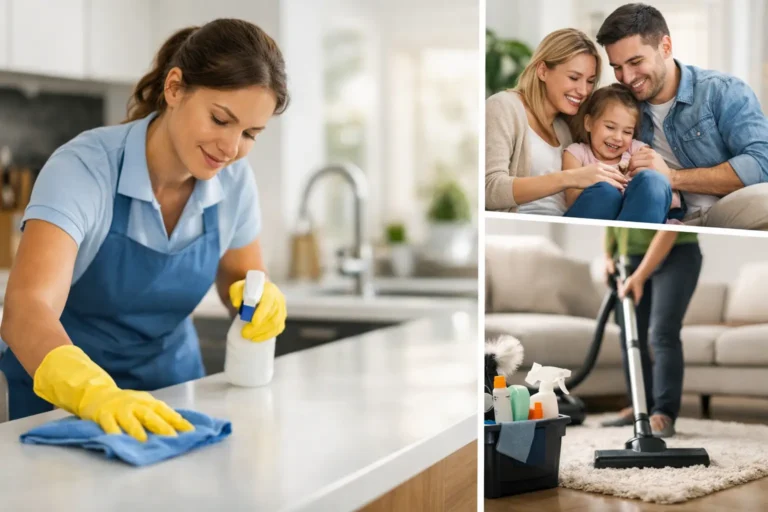
For busy households, a useful rhythm is to clean spills and food-prep surfaces promptly, disinfect high-touch areas during illness or high-traffic periods, and schedule a deeper professional cleaning when the workload has outgrown the available time. For commercial spaces, the right schedule depends on foot traffic, the type of work performed, and who uses the facility.
How to Choose Safer Products and Practices
Start with clarity rather than marketing claims. Look for products with transparent ingredient information and clear directions for use. If a product is intended to disinfect, it should explain what it disinfects, how long it needs to remain on the surface, and any precautions that apply.
Avoid mixing products, even if both are considered safer choices. Combinations can create fumes or reduce effectiveness. Use enough ventilation for the task, keep products in their original containers, and store them away from children and pets.
It also helps to simplify the cleaning cabinet. A reliable all-purpose cleaner, a bathroom cleaner, a suitable disinfectant for high-touch surfaces, and the right tools can handle most routine needs. Microfiber cloths, clean mop heads, and regular laundering matter because a great product cannot compensate for a dirty tool that spreads soil from room to room.
The best cleaning plan is one your household or team can maintain. A safer product that is used correctly and consistently is more valuable than a harsh product that sits unused because no one wants to be around it.
A clean space should give you confidence, not leave you wondering what is lingering in the air or on the surfaces beneath your hands. Choose practices that fit your needs, use disinfectants with purpose, and let a healthier clean become part of the care you give your home, workplace, and community.