
How to Choose Eco Friendly Cleaners
You can smell the difference the moment a harsh cleaner hits the counter – and for many families, pets, and employees, you can feel it too. If you have ever finished cleaning only to end up with a headache, irritated skin, or that lingering chemical odor in the air, you have probably started asking how to choose eco friendly cleaners that actually work without bringing unnecessary risks into your space.
That question matters more than clever packaging or a green leaf on the bottle. A truly better cleaner should help you maintain a healthy home or workplace while reducing exposure to ingredients that can be tough on people, animals, and the environment. At the same time, it still has to do the job. No one wants to trade harsh chemicals for weak results.
How to choose eco friendly cleaners without guesswork
The first thing to know is that eco friendly does not always mean the same thing from one product to the next. Some cleaners are plant-based but still heavily fragranced. Others are marketed as natural even though the ingredient list is vague. The safest approach is to look beyond front-label claims and pay attention to what the product is designed to do, what it contains, and how transparent the company is about both.
A good eco friendly cleaner should clean effectively, use safer ingredients, and leave behind fewer concerns for indoor air quality and surface safety. That balance is especially important in homes with young children, pets, or family members with asthma or sensitivities. It also matters in offices, clinics, and shared spaces where many people come into contact with the same surfaces every day.
Start with the ingredient philosophy, not the marketing
When people shop for green cleaning products, the first mistake is often trusting broad terms like natural, pure, or earth-friendly. Those phrases can sound reassuring, but they do not tell you much on their own. What matters more is whether the brand clearly explains its ingredients and avoids chemicals commonly associated with irritation or unnecessary toxicity.
In most cases, it makes sense to favor cleaners made with plant-based surfactants, biodegradable ingredients, and formulas that are free from ammonia, chlorine bleach, phosphates, and harsh synthetic solvents. Many households also prefer products without artificial dyes and heavy synthetic fragrances, since fragrance can be a trigger for headaches or respiratory discomfort.
That said, there is a trade-off worth acknowledging. A cleaner can be gentle and still contain a scent from essential oils or other fragrance sources. For some people, that is perfectly fine. For others, especially those with sensitivities, fragrance-free may be the better choice. Eco friendly is not one-size-fits-all. The right product depends on who uses the space and how they respond to certain ingredients.
Look for clear labeling and real transparency
One of the easiest ways to tell whether a company takes health and environmental responsibility seriously is to see how much information it shares. If the label offers a full ingredient list, usage directions, and safety guidance, that is usually a better sign than vague promises.
You should be able to answer a few basic questions before buying. What surfaces is the cleaner made for? Does it need to be diluted? Is it safe around pets after drying? Does the company explain why the formula is considered safer or more sustainable?
If those answers are hard to find, that is a sign to keep looking. Dependable cleaning products should not require detective work. The same goes for professional cleaning services. If a company says it uses eco friendly products, it should be able to explain what that means in practical terms, not just in advertising language.
Match the cleaner to the job
A common reason people get disappointed with eco friendly cleaning is that they expect one product to handle every mess. In reality, choosing the right cleaner is a lot like choosing the right tool. Glass, grease, soap scum, floors, grout, and disinfecting needs are not all the same.
For everyday wiping of counters, tables, and high-touch areas, a mild multi-surface cleaner may be enough. For kitchens, you may need something that cuts grease effectively without leaving residue. Bathrooms usually call for a formula that can break down soap scum and hard water buildup. Floors need extra care because the wrong product can dull finishes or leave them sticky.
This is where professional experience helps. A cleaner that is eco friendly and effective should be selected based on the surface, the soil level, and the people using the space. In a busy family home, for example, the best choice might prioritize low residue and low odor. In a commercial setting, you may need stronger performance for high-traffic restrooms or shared work areas while still protecting indoor air quality.
Pay attention to indoor air quality
Many people focus on whether a product is safe on the surface, but what lingers in the air matters just as much. Strong fumes are not proof that a product is working better. Often, they are simply a sign that volatile ingredients or heavy fragrance are hanging around after the job is done.
If cleaner air is part of your goal, look for products with low odor, fewer volatile compounds, and no unnecessary fragrance load. This can make a noticeable difference in bedrooms, nurseries, offices, waiting rooms, and other enclosed spaces. A clean room should feel fresh, not chemically masked.
This is especially relevant in dry climates where dust already affects comfort. In places like Albuquerque and surrounding communities, keeping indoor spaces healthy often means thinking beyond visible dirt. The products used during cleaning can either support that goal or work against it.
Consider concentrated formulas and refill options
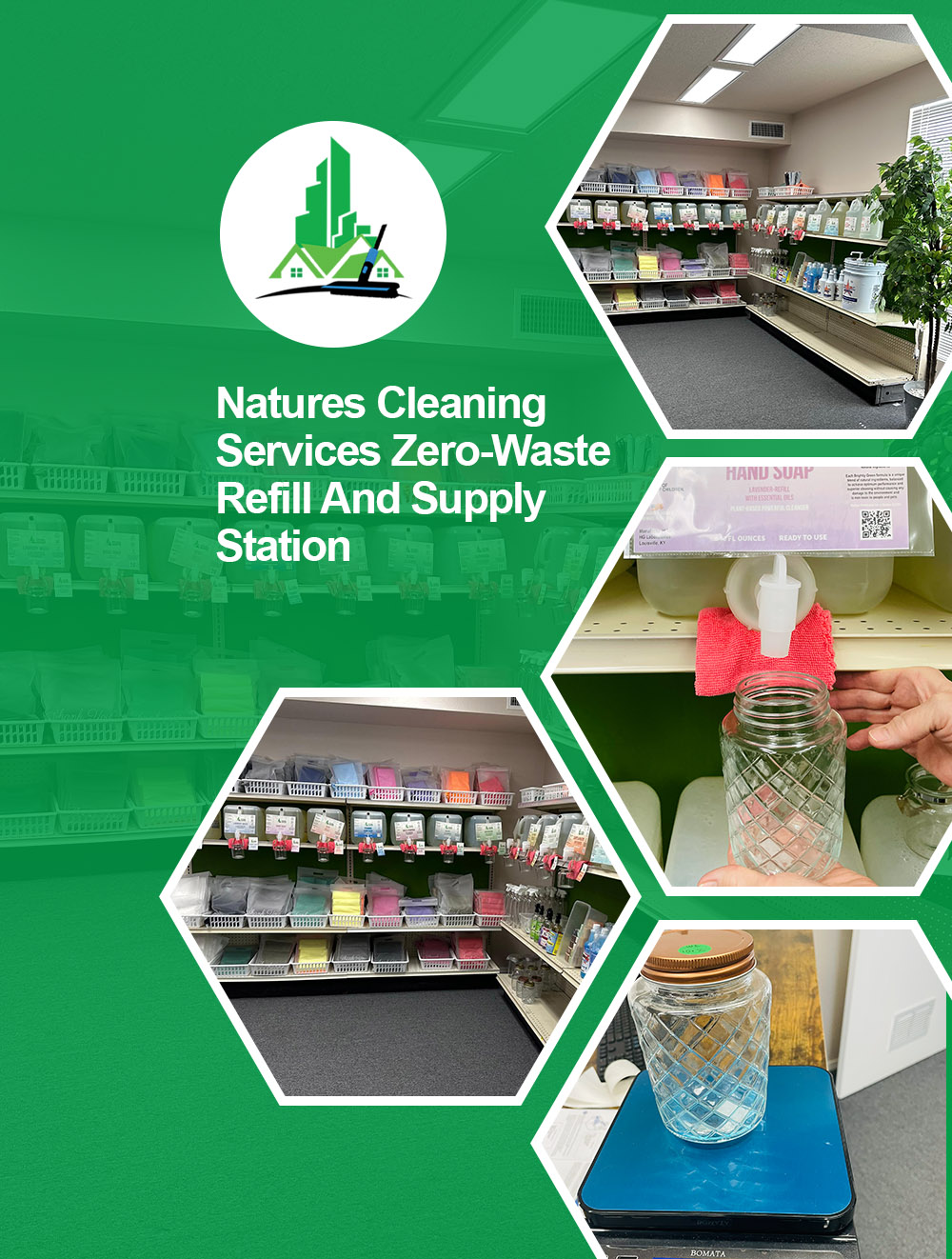
If sustainability is part of your reason for learning how to choose eco friendly cleaners, packaging matters too. A well-made cleaner in a single-use plastic bottle may still be better than a harsher alternative, but it is not the only factor. Concentrated products and refill systems can reduce plastic waste, lower shipping impact, and make long-term use more practical.
This does not mean every concentrated formula is automatically better. Some are harder to use correctly, and overmixing can lead to waste or streaking. But when a company offers clear dilution instructions and refill options, that often reflects a more thoughtful approach to environmental responsibility.
For homes and businesses trying to reduce waste without sacrificing cleanliness, refillable systems are one of the more practical improvements available. They support consistency, reduce clutter, and make it easier to stick with safer products over time.
Certifications can help, but they are not the whole story
Third-party certifications can be useful because they offer another layer of review beyond a brand’s own claims. They may help identify products that meet certain standards for ingredients, biodegradability, or reduced toxicity.
Still, certifications are only part of the picture. Some excellent products may not carry every label, while some certified products may not be the best fit for your particular needs. Think of certifications as a helpful filter, not a final answer. Performance, transparency, and suitability for your space still matter.
If you hire a cleaning service, ask better questions
Choosing eco friendly cleaners becomes even more important when someone else is cleaning your home or workplace. You are trusting that company not only with cleanliness, but with the air you breathe and the surfaces your family, customers, or staff touch every day.
Instead of simply asking whether a service uses green products, ask what kinds of products they use, whether they can accommodate fragrance sensitivities, and how they match products to different surfaces. Ask whether they bring their own supplies, whether they use refill systems, and whether their cleaning methods are designed to reduce unnecessary chemical exposure.
A dependable company should be comfortable answering those questions. At Natures Cleaning Services, that commitment is part of the work itself – providing professional results with plant-based, non-toxic solutions that support healthier homes and workplaces.
The best eco friendly cleaner is the one you will use consistently
There is no perfect bottle that solves every cleaning concern for every person. Some households need the gentlest possible formula. Some businesses need reliable heavy-duty performance in high-traffic areas. Most people need a balance of safety, effectiveness, convenience, and cost.
That is why the best choice is usually not the trendiest one. It is the cleaner or cleaning approach that fits your real life, protects the people in your space, and keeps your environment consistently clean without creating new concerns. A product only helps if it works well enough that you will keep using it.
A cleaner home should never come at the expense of your health, your peace of mind, or the environment you care about. When you choose with a little more intention, you are not just buying a product. You are creating a safer standard for the space you live and work in every day.