How to Maintain a Healthy Home Every Day
A clean-looking home is not always a healthy one. Dust can settle behind furniture, moisture can linger in bathrooms, and strong fragrances can hang in the air long after a product has been used. For families asking how to maintain healthy home routines, the goal is not a spotless space at any cost. It is a comfortable, cared-for home that supports the well-being of the people and pets living in it.
Healthy home maintenance works best when it becomes a rhythm rather than an exhausting weekend project. A few thoughtful daily habits, safer cleaning choices, and attention to your home’s air and moisture can make a meaningful difference over time.
Start With the Air You Breathe
Indoor air deserves as much attention as floors and countertops. Albuquerque-area homes often deal with dust, dry air, seasonal pollen, and open-window weather that can bring outdoor particles inside. Cooking, pet dander, candles, and cleaning products can add to what is already circulating through your rooms.
Open windows when weather and outdoor air conditions allow, especially after cooking or cleaning. Run exhaust fans in the kitchen and bathroom, and make sure they vent properly. If your home has central heating and cooling, replace filters on the schedule recommended for your system. A filter that is visibly gray and packed with dust is no longer doing its job well.
It also helps to reduce sources of indoor pollution. Choose low-fragrance or fragrance-free products when possible, avoid smoking indoors, and be mindful of aerosols. A fresh scent may feel like proof that a room is clean, but clean air does not need to smell heavily perfumed.
Clean High-Touch Surfaces Consistently
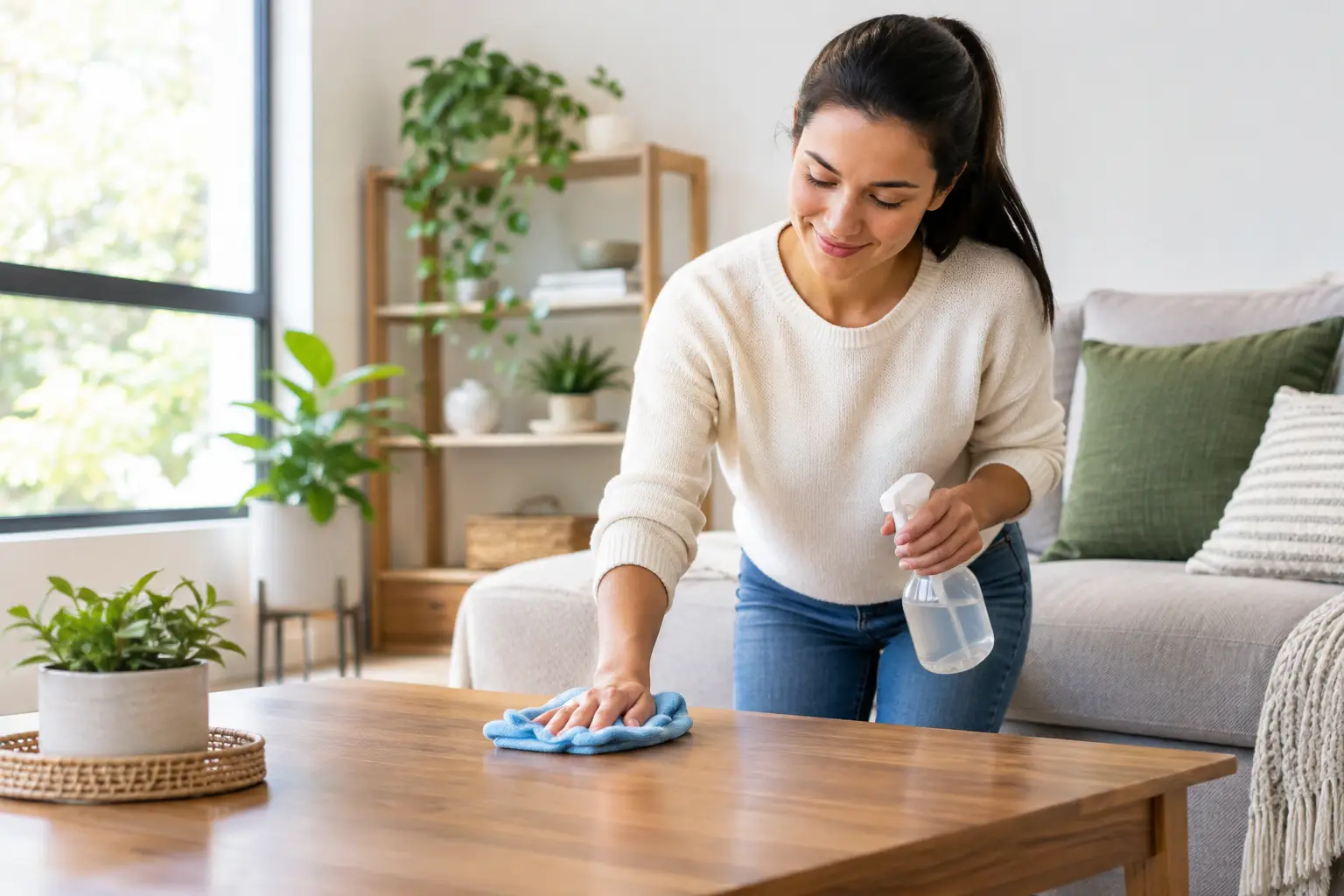
The areas people touch most are often the ones that need the most consistent care: door handles, light switches, faucet handles, refrigerator pulls, remotes, phones, and bathroom fixtures. These surfaces do not need an aggressive chemical treatment every day. Regular cleaning with an appropriate non-toxic product and a clean microfiber cloth is usually enough for normal household upkeep.
The key is frequency. A quick wipe of kitchen and bathroom touchpoints several times a week is easier and more effective than waiting until grime builds up. During cold and flu season, when someone in the household is sick, or after guests visit, give high-touch surfaces extra attention.
Cloths matter, too. Reusing a damp, soiled cloth from one room to another can spread dirt rather than remove it. Keep a small supply of washable microfiber cloths, use fresh ones for different areas, and wash them thoroughly after use.
Keep Moisture From Becoming a Bigger Problem
Moisture is one of the most overlooked parts of a healthy home. A little condensation around windows or a damp bath mat may seem harmless, but persistent moisture can lead to musty odors, damaged materials, and mold growth.
After showers, run the bathroom fan for at least 20 minutes if possible. Hang towels so they can dry fully, wash bath mats regularly, and wipe standing water from shower ledges and sink areas. Check beneath sinks, around toilets, behind appliances, and near water heaters for slow leaks. Small leaks are easier and less expensive to address before they become a larger repair.
In dry New Mexico conditions, some households use humidifiers for comfort. That can be helpful, but humidifiers need regular cleaning and fresh water. A neglected unit can release mineral buildup or unwanted particles into the air. Follow the manufacturer’s directions and avoid raising indoor humidity more than necessary.
Make the Kitchen a Healthier Work Zone
The kitchen is where food, moisture, waste, and frequent hand contact meet. Healthy maintenance here is less about constant scrubbing and more about preventing cross-contamination and buildup.
Clean counters after food preparation, especially after handling raw meat, eggs, or unwashed produce. Wash dishcloths and sponges often, and replace worn sponges before they develop an odor. If a sponge smells bad, it is not ready to clean your dishes or countertops.
Take out trash before it overflows, and wipe the inside of the trash bin periodically. Clean refrigerator shelves when spills happen instead of letting them harden, and check leftovers regularly. A simple weekly review of produce drawers, leftovers, and pantry items prevents food waste and makes the kitchen easier to keep sanitary.
For kitchen floors, sweep or vacuum often enough to remove crumbs, pet hair, and tracked-in dirt. Mop as needed with a product that is effective without leaving behind harsh residues where children and pets spend time.
Choose Cleaning Products With Your Household in Mind
A product can remove dirt well and still be a poor fit for your home. Harsh chemicals, strong fragrances, and unnecessary disinfectants may irritate sensitive skin, aggravate respiratory concerns, or create an unpleasant environment for pets and children.
That does not mean every task can be handled with the same product. Greasy stovetops, soap scum, grout, floors, and glass have different cleaning needs. The better approach is to use the right product for the job, in the right amount, and according to its instructions. More product is rarely better. It can leave a film behind, waste money, and require extra rinsing.
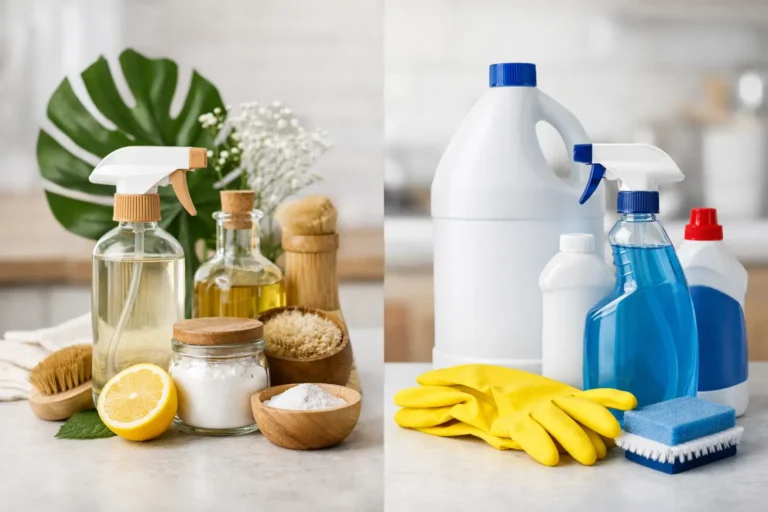
Look for plant-based, non-toxic options that are designed for professional results. For households with allergies, asthma, babies, pets, or chemically sensitive family members, this choice can be especially meaningful. Don’t compromise your health for a clean home. A truly clean space should feel safe to live in right after it has been cleaned.
Reduce Dust Before It Spreads
Dust is more than an appearance issue. It can carry pollen, pet dander, fibers, and outdoor particles into the places where your family rests and plays. The most effective strategy is to remove it rather than simply move it around.
Vacuum carpets, rugs, upholstery, and under furniture regularly. If anyone in the home has allergies or pets shed heavily, you may need to vacuum more often. Use a vacuum with good filtration, and clean or replace filters as directed. Hard floors benefit from frequent dry debris removal before mopping, since wet mopping over loose dust can create a streaky residue.
Wash bedding weekly, including pillowcases that collect skin oils and hair products. Pet bedding should be cleaned regularly as well. Curtains, blinds, baseboards, ceiling fans, and vents can be addressed on a rotating schedule. They do not all need attention every week, but ignoring them for months allows dust to build up and recirculate.
Create a Realistic Cleaning Rhythm
The best cleaning schedule is one your household can actually sustain. A busy family may need a short daily reset, a more focused weekly clean, and occasional deep cleaning. A smaller household may have different needs. Pets, young children, allergies, work schedules, and how often you entertain all affect the right cadence.
Daily maintenance might include washing dishes, wiping kitchen counters, clearing clutter, spot-cleaning spills, and doing a quick sweep in high-traffic areas. Weekly tasks can include bathrooms, floors, dusting, bedding, and trash bins. Deep cleaning is where you address baseboards, grout, inside appliances, blinds, under furniture, and the places that are easy to miss during routine care.
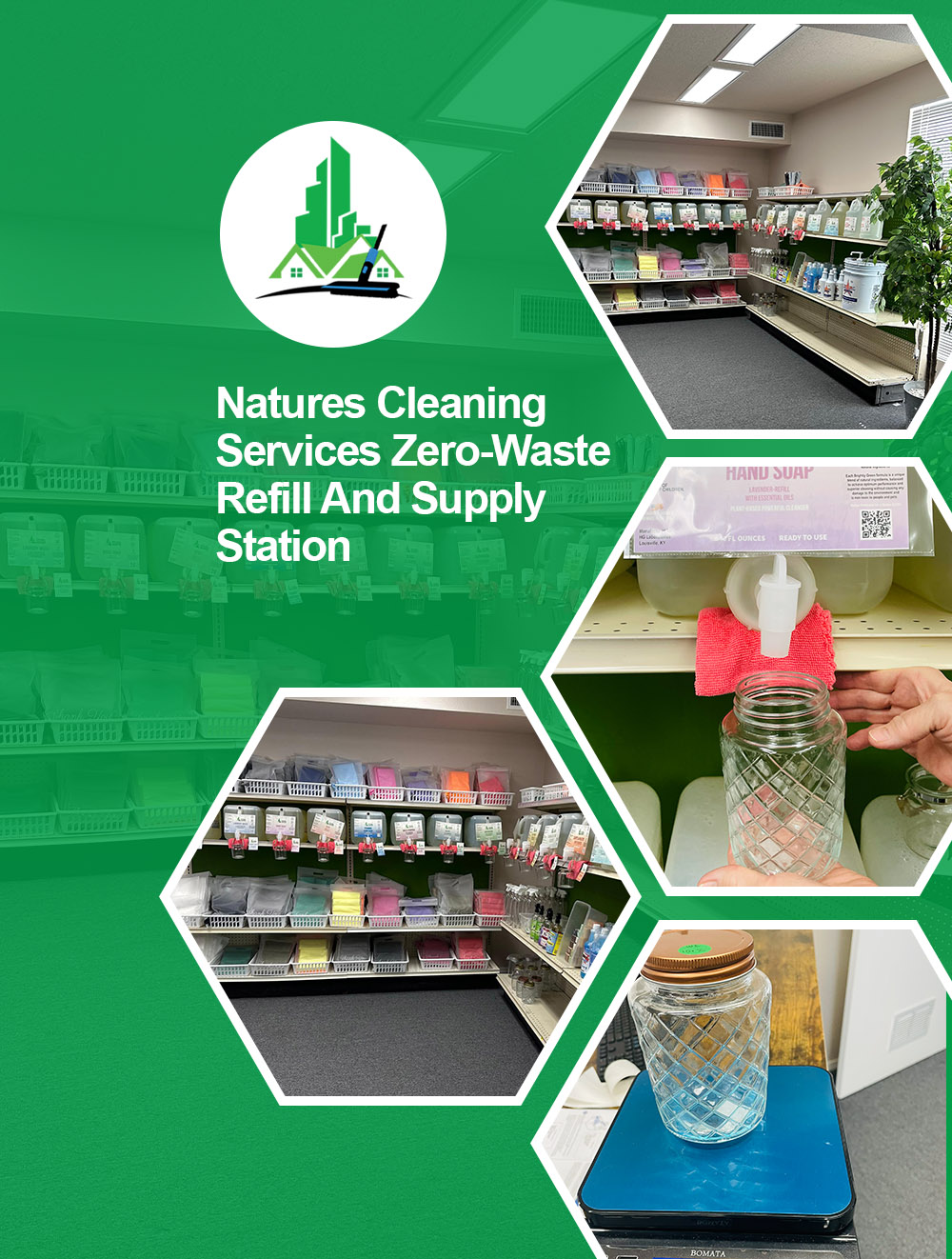
If keeping up with this rhythm feels impossible, that is not a personal failure. It may simply mean your household needs support. Recurring professional cleaning can protect your time while ensuring the details do not get overlooked. For homes in Corrales and surrounding communities, Natures Cleaning Services provides customized cleaning with plant-based, non-toxic products that respect your family, pets, and New Mexico’s natural environment.
Know When a Deeper Clean Is Needed
Sometimes routine cleaning is enough, and sometimes a home needs a reset. Consider a deeper clean after a move, renovation, illness, a period of heavy work travel, or when dust and clutter have accumulated beyond your usual routine. Bathrooms with stubborn soap scum, kitchen grease, dingy grout, and floors that no longer feel clean underfoot are also common signs.
A deep clean should make future maintenance easier, not create an impossible standard to maintain. Once neglected areas are brought back under control, a simple recurring plan can preserve that fresh, healthy feeling.
A healthy home is built through small, dependable choices: fresh air, dry surfaces, cleaner touchpoints, less dust, and products chosen with care. Give your home the attention it needs, then give yourself permission to enjoy the comfort and peace of mind that follow.