How to Choose Nontoxic Cleaners for Your Home
A cleaner can leave a countertop shining and still introduce harsh fumes, irritating residues, or unnecessary chemicals into the place where your family eats, sleeps, and plays. Learning how to choose nontoxic cleaners is less about finding one perfect bottle and more about knowing what to look for, what claims to question, and which products actually fit the job at hand.
For busy households and workplaces, the goal is practical: a clean space that feels fresh without compromising the health of children, pets, guests, or employees. The right products should be effective enough for real-life messes while supporting better indoor air quality and a lighter impact on New Mexico’s environment.
How to Choose Nontoxic Cleaners Without Guesswork
Start with the ingredient information, not the color of the label or a picture of leaves. Terms like “natural,” “green,” and “eco-friendly” can be meaningful, but they are not guarantees that a product is free from ingredients that may be irritating or harmful. A company that is serious about safer cleaning should be willing to clearly identify what is in its product and why it is there.
Look for straightforward labels that name ingredients or direct you to a complete ingredient list. Plant-based surfactants, which help lift grease and soil, can be effective choices. Ingredients such as baking soda, citric acid, vinegar, and hydrogen peroxide also have useful roles in certain formulas and applications. Still, an ingredient’s source alone does not make a product safe. Concentration, proper use, and the surface being cleaned all matter.
Be especially cautious when a product relies on vague phrases such as “proprietary blend” without further detail. You should not have to guess what will be left on your kitchen table, bathroom floor, or office reception desk.
Treat Fragrance as a Real Ingredient
A strong scent is often mistaken for proof that something is clean. In reality, fragrance may simply cover odors, and some fragrance blends can trigger headaches, asthma symptoms, or skin irritation in sensitive people. This is particularly relevant in homes with babies, older adults, pets, or family members with allergies.
Fragrance-free products are usually the simplest choice for a lower-exposure routine. Unscented can be a helpful term, but read carefully: some unscented products contain fragrance ingredients used to mask the smell of the formula itself. If you prefer a light scent, choose a product that identifies the fragrance source clearly rather than hiding it behind one broad label term.
Avoid Ingredients With a Higher Concern Profile
You do not need a chemistry degree to make better decisions. When reviewing household cleaners, consider avoiding products containing or heavily relying on these common concerns:
- Added fragrance or parfum when the source is not disclosed
- Chlorine bleach for routine cleaning, especially in poorly ventilated rooms
- Ammonia, which can create strong fumes and should never be mixed with bleach
- Quaternary ammonium compounds, often listed as “quats,” when routine disinfection is not needed
- Phthalates, which may be included in undisclosed fragrance blends
This does not mean every product containing one of these ingredients creates the same level of risk in every situation. A disinfectant may be appropriate after a stomach illness, for example, or in a setting with specific sanitation requirements. The key is to use stronger chemistry deliberately, according to directions, rather than making it the default for every daily wipe-down.
Match the Cleaner to the Cleaning Task
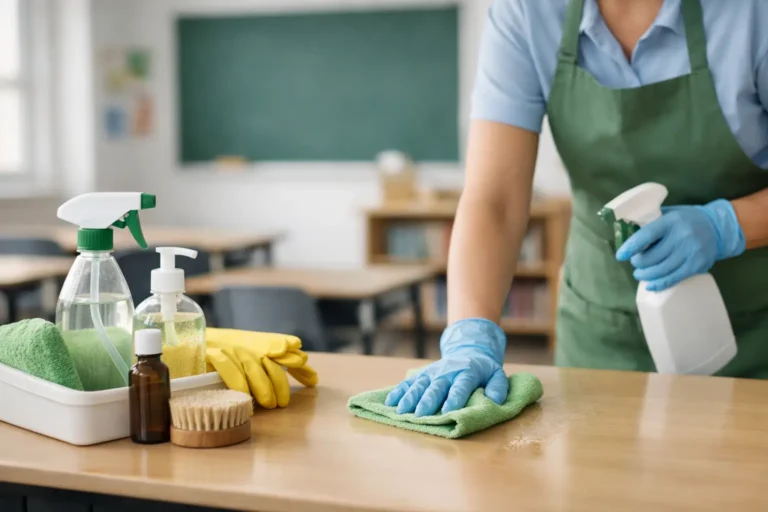
One reason people end up with chemical-heavy cabinets is the belief that every surface needs a powerful disinfectant. Most routine cleaning does not. Removing dust, food residue, grease, and grime with a quality all-purpose cleaner and a clean microfiber cloth is often enough to maintain a healthy home.
For kitchen counters, dining tables, sealed appliances, and everyday bathroom surfaces, choose a gentle all-purpose cleaner designed to remove soil without leaving a harsh residue. For glass and mirrors, a low-residue formula helps prevent streaking. For floors, use a product made for the specific flooring material, because even a nontoxic cleaner can cause damage if it is too acidic, too alkaline, or used with too much water.
Disinfection is a separate job from cleaning. A surface must usually be cleaned before it can be properly disinfected, and a disinfectant must remain wet for the label’s required contact time. Spraying and immediately wiping a product away may not disinfect anything. Reserve disinfectants for circumstances where they add real value, such as illness cleanup, high-touch workplace areas, or environments with required health protocols.
Look Beyond the Bottle’s Front Label
A trustworthy product should give you practical guidance: which surfaces it is safe for, how much to use, whether ventilation is recommended, and what to do if it contacts eyes or skin. Clear instructions are a sign that a company respects both safety and results.
Third-party certifications can also help cut through marketing language. These programs review products against defined environmental or health standards, though each certification has its own criteria. Think of a certification as one helpful signal, not a replacement for reading the label. A product can carry a credible certification and still be a poor fit for a particular surface, allergy, or cleaning need.
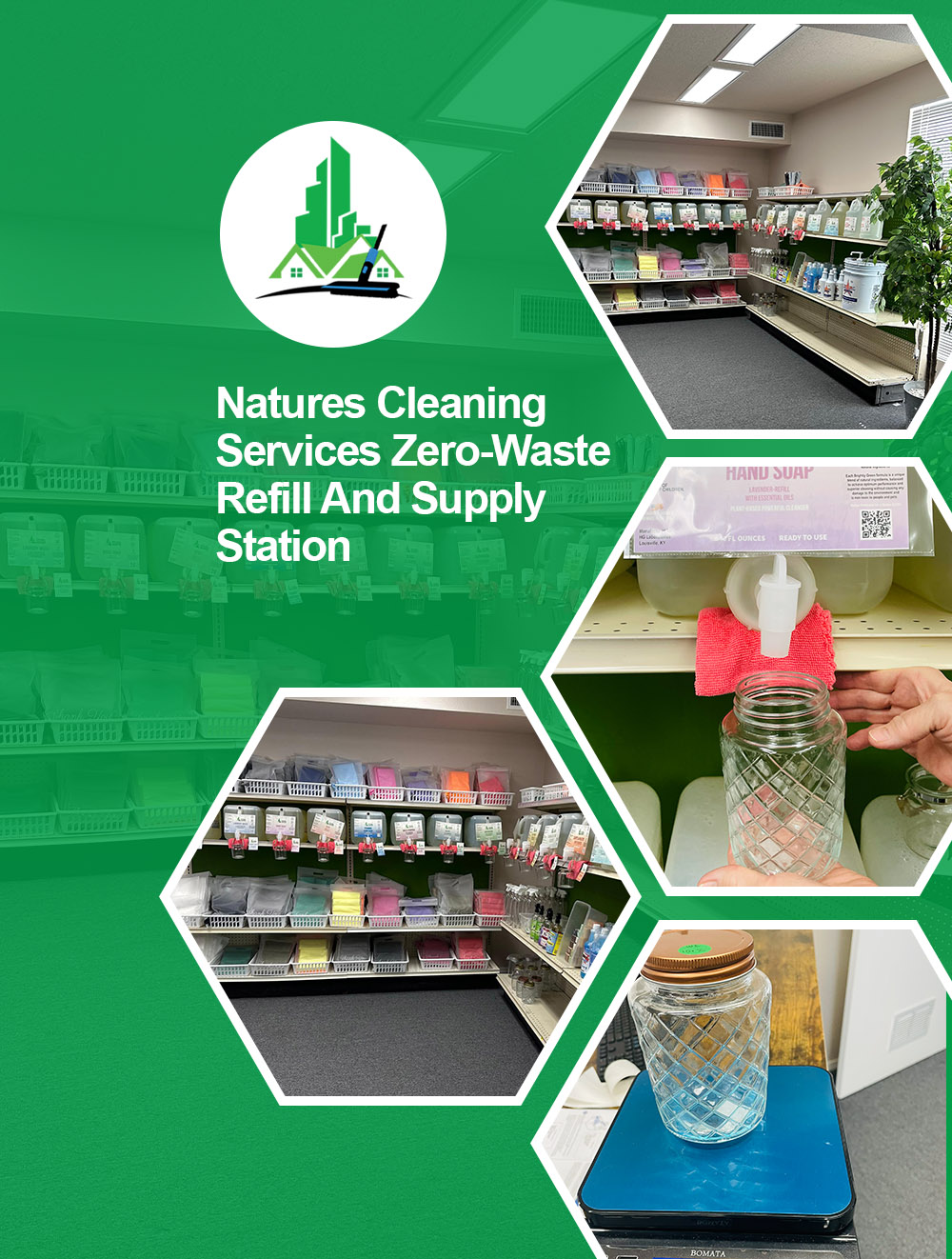
Packaging matters, too. Concentrated formulas and refill options can reduce single-use plastic and unnecessary shipping weight. They require a little more care with measuring and dilution, but they can be a practical choice for families and businesses that clean often. A refill station also makes it easier to keep dependable products on hand without filling a cabinet with disposable bottles.
Be Careful With DIY Cleaning Recipes
Simple homemade cleaners can be useful, especially for light daily cleaning. A diluted vinegar solution may help with mineral buildup on certain surfaces, and baking soda can provide gentle scrubbing power for some jobs. But DIY is not automatically safer, stronger, or suitable for everything.
Vinegar can dull or etch natural stone such as marble, travertine, and granite if the stone is not properly sealed. It is also not a registered disinfectant. Essential oils may smell pleasant, but “natural” oils can irritate skin, affect indoor air, and be unsafe for pets when used incorrectly. Never mix cleaning products, especially bleach with ammonia, vinegar, acids, or alcohol-based products. Mixing formulas can create dangerous gases or reactions.
If you make a homemade solution, label the bottle clearly, mix only small amounts, and keep it out of reach of children and pets. For specialized floor care, grout, move-out cleaning, or commercial spaces, a professionally formulated product is usually the safer, more reliable choice.
Build a Smaller, Safer Cleaning Routine
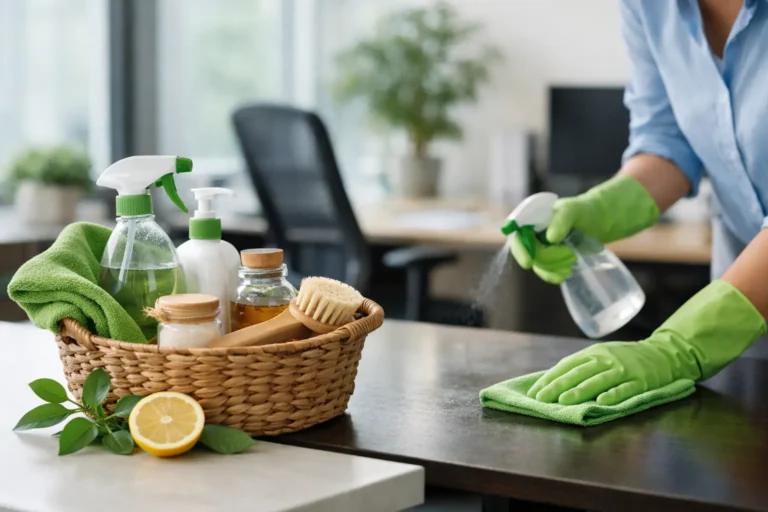
You do not need a different product for every room. A simple collection can handle most routine cleaning: an all-purpose cleaner, a bathroom cleaner, a glass cleaner, a floor-safe product, and a targeted disinfectant for situations that call for it. Add reusable microfiber cloths, a quality mop, and a scrub brush, and you can reduce waste while getting better results.
Using less product often helps, too. More cleaner does not always mean more clean. Overusing a formula can leave residue that attracts soil, creates streaks, or makes floors feel sticky. Follow dilution instructions carefully, particularly with concentrates, and wash reusable tools regularly so you are not spreading old dirt from one surface to another.
For businesses, consistency matters as much as product choice. Schools, clinics, offices, and customer-facing spaces benefit from cleaning plans that match the amount of traffic, the type of surfaces, and any industry-specific sanitation needs. Safer products work best when the people using them understand the process and have the right tools for the job.
Choose a Cleaning Partner Who Shares Your Standards
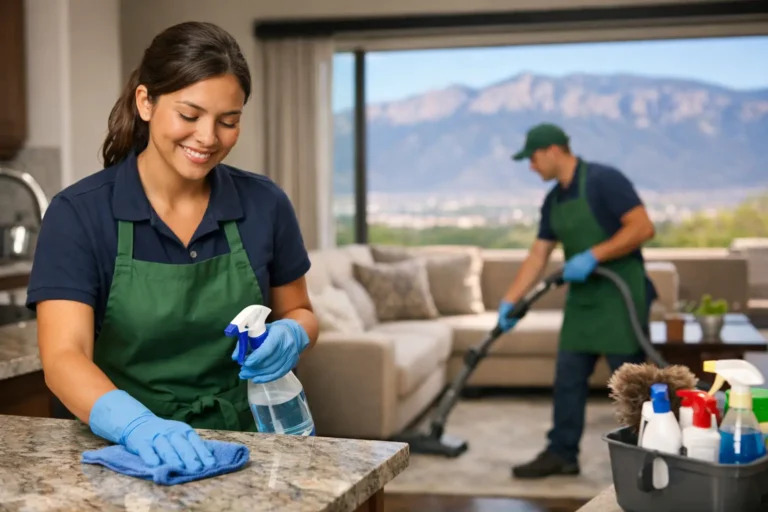
When time is short, hiring help should not mean giving up control over what is used in your home or workplace. Ask a cleaning company what products it uses, whether those products are safe around pets and children, and how it handles disinfection requests. A dependable provider will answer directly and tailor the service to your concerns.
At Natures Cleaning Services, we believe a thoroughly cleaned space should also support the well-being of the people who use it. Plant-based, nontoxic cleaning solutions, thoughtful practices, and attention to the details all belong in the same standard of care.
A healthier cleaning routine begins with one clear choice: bring home products you can understand, use them for the jobs they are meant to do, and let clean mean more than a temporary chemical smell.