8 Best Natural Cleaners for Pet Homes That Work
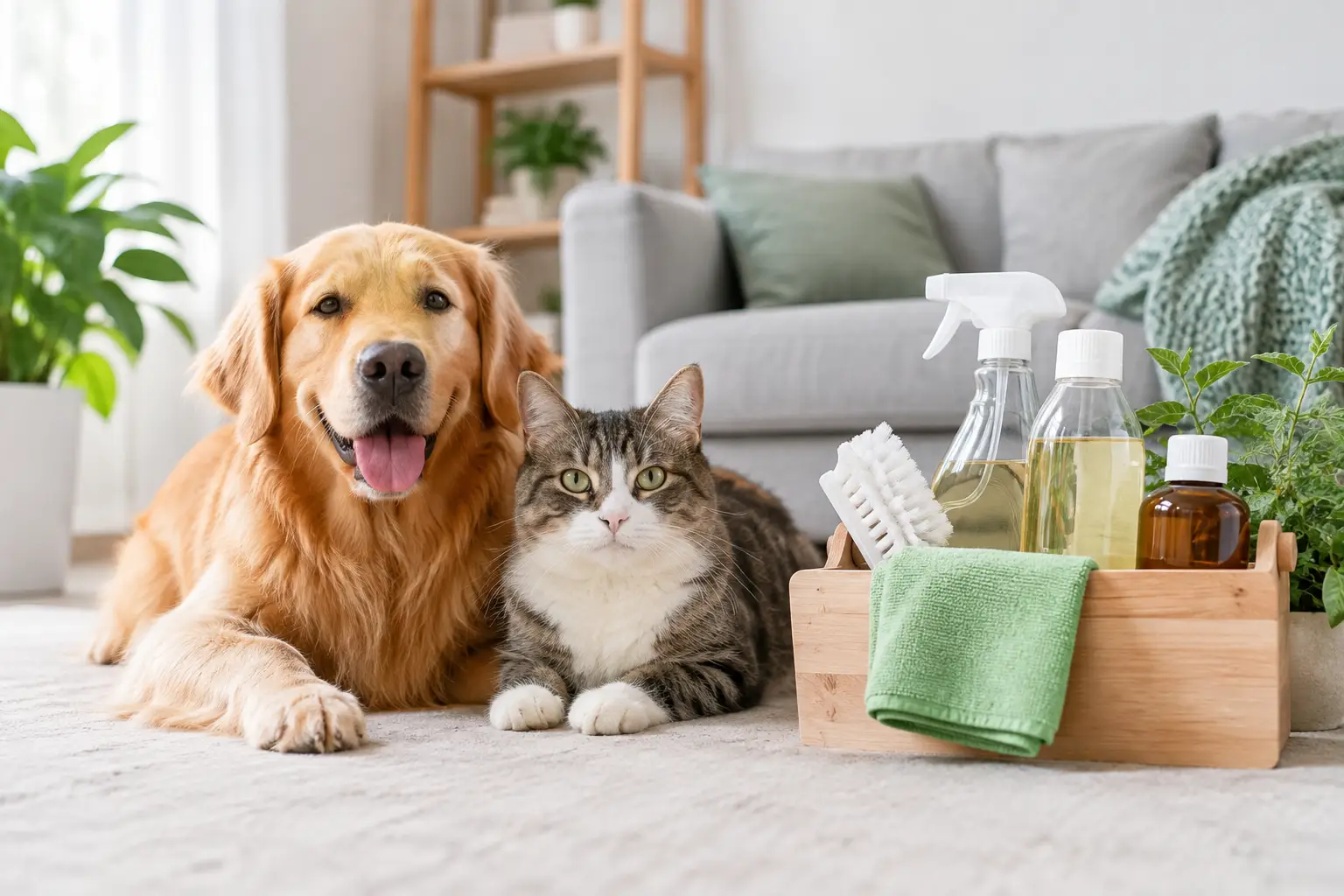
A clean home should not leave you wondering whether your dog can safely nap on the rug or whether your cat will walk through residue on the kitchen floor. For pet owners, the best natural cleaners for pet homes are not simply the ones with green packaging or a fresh scent. They are products and ingredients that remove real messes, rinse cleanly, and avoid unnecessary harsh chemicals that can affect the animals and people sharing the space.
Pets make life better, but they also bring in dust, pollen, mud, dander, hair, occasional accidents, and the unmistakable odor of a wet dog after a New Mexico monsoon. The right cleaning approach keeps those messes manageable without compromising the health of your family, pets, or home.
What Makes a Cleaner Safer for Pets?
“Natural” is not a regulated promise, so it should never be the only reason you trust a cleaner. A product can use plant-derived ingredients and still contain heavy fragrance, irritating acids, or essential oils that are not a good match for animals. Cats, in particular, can be sensitive to concentrated essential oils because their bodies process certain compounds differently than ours.
Look for cleaners with clear ingredient information, low or no added fragrance, and directions that explain where and how to use the product. The best options are also effective at the job in front of them. A gentle all-purpose spray may be excellent for counters and sealed surfaces, but it will not necessarily solve a urine odor deep in carpet padding.
For a pet-conscious cleaning cabinet, prioritize these qualities:
- Plant-based surfactants that lift everyday grease, paw prints, and grime
- Enzyme-based formulas designed to break down organic stains and odors
- Fragrance-free or lightly scented products without concentrated essential oils
- Products that can be wiped or rinsed away according to the label directions
Even a safer product should be used thoughtfully. Keep pets away from wet floors and freshly treated upholstery until the area is dry, store all products securely, and never assume that homemade means harmless.
The Best Natural Cleaners for Pet Homes by Mess Type
No single bottle handles every pet-related task well. Building a small, purposeful lineup is more useful than buying a shelf full of products that all do roughly the same thing.
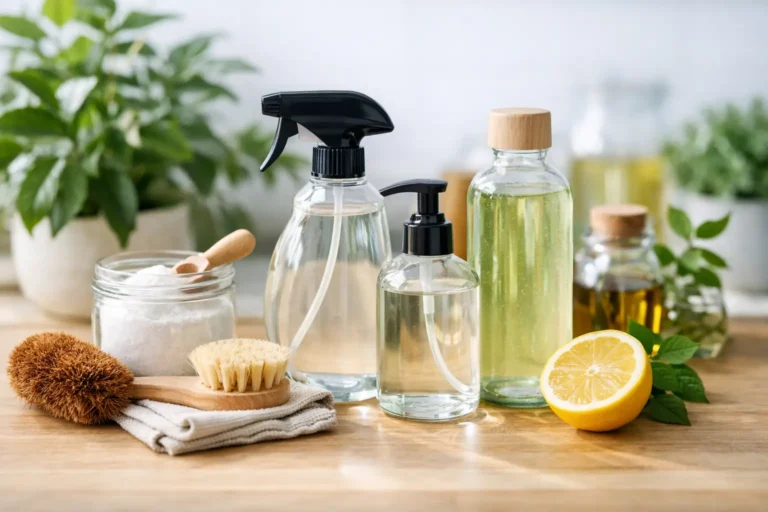
1. Unscented plant-based all-purpose cleaner
An unscented plant-based all-purpose cleaner is the daily workhorse for sealed counters, cabinet fronts, tables, tile, and other washable surfaces. It is especially useful for food splatters around pet bowls, dusty window ledges, and the trail of paw prints that seems to appear minutes after mopping.
Choose one with straightforward directions and avoid using it on unsealed wood, natural stone, or delicate finishes unless the label specifically says it is safe. Spray onto a microfiber cloth when cleaning near a pet’s food or water bowl so you can control overspray, then wipe the area with a clean damp cloth if needed.
2. Enzyme cleaner for urine and organic odors
For accidents, enzyme cleaners are often the strongest choice. Rather than covering the smell with perfume, enzymes help break down the proteins and organic material that cause lingering odors. That matters because a faint odor humans no longer notice can still invite a dog or cat back to the same spot.
Blot up as much liquid as possible first. Then apply the enzyme product generously enough to reach the same depth as the accident, particularly on carpet or upholstery. Let it dwell for the full time directed on the label. Rushing this step is one of the main reasons odor treatments seem not to work.
Avoid layering an enzyme cleaner with bleach, ammonia, or another strong chemical. Mixing cleaners can reduce effectiveness and create unsafe fumes. If a stain has reached the carpet pad or subfloor, repeated treatment or professional extraction may be the more realistic answer.
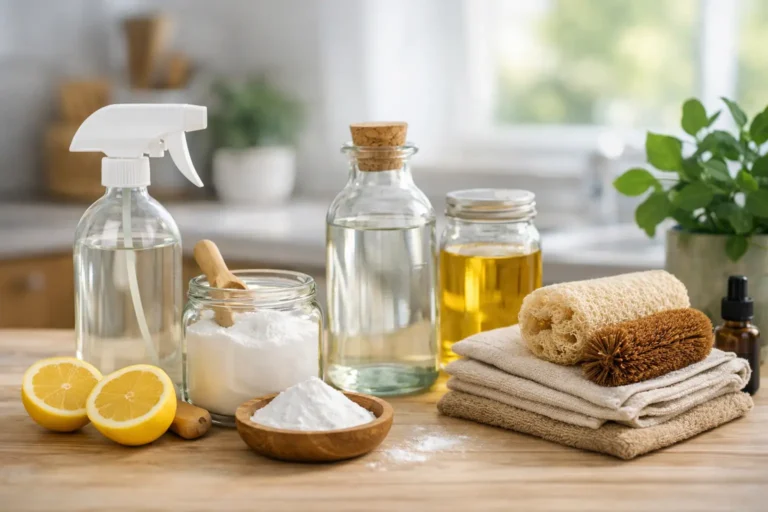
3. Baking soda for dry odor control
Baking soda is simple, affordable, and useful for mild odors in washable pet bedding, fabric-covered furniture, and carpets. It does not replace enzyme treatment for urine, but it can help freshen a space between deeper cleanings.
For a rug or upholstered cushion, sprinkle a light, even layer, allow it to sit for a short period, then vacuum thoroughly. Use care around pets that may lick or eat the powder, and do not leave it down where curious animals can disturb it. For pet beds, washing the removable cover regularly is usually more effective than relying on deodorizer alone.
4. Diluted white vinegar for mineral residue and hard surfaces
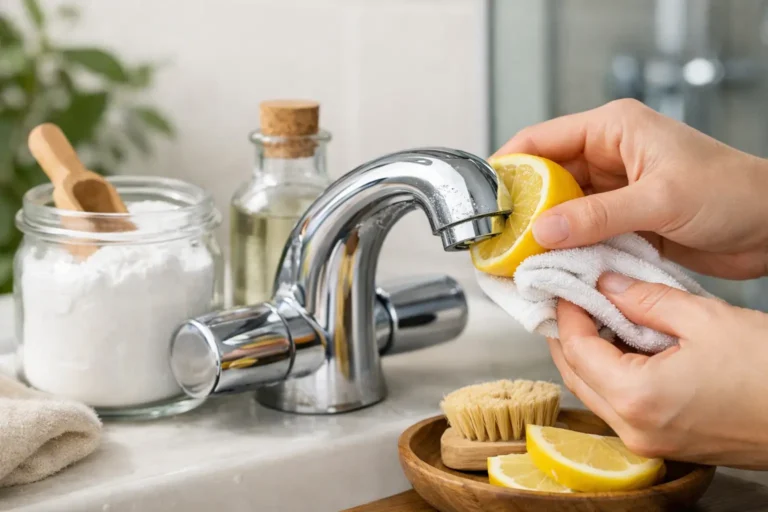
White vinegar can be helpful for mineral buildup around water bowls, glass doors, and some sealed hard surfaces. In Albuquerque-area homes, hard water can leave cloudy rings or crusty residue surprisingly fast. A diluted vinegar solution can loosen those deposits without the sharp chemical smell associated with many conventional products.
There are limits. Vinegar is acidic, so it should not be used on marble, travertine, limestone, grout that needs special care, or unsealed stone. It is also not a replacement for a registered disinfectant when disinfection is truly needed. Clean first, use the appropriate product for the surface and situation, and always keep pets away until the area is fully dry.
5. Hydrogen peroxide-based spot cleaner
A properly formulated hydrogen peroxide-based cleaner can be useful on certain food stains, vomit stains, and discoloration on light-colored washable fabrics. It breaks down into water and oxygen, which makes it appealing for households trying to reduce harsh residue.
The trade-off is that peroxide can lighten dyes and damage some fibers. Test an inconspicuous area first, especially on carpet, upholstery, bedding, and colored grout. Never mix hydrogen peroxide with vinegar in the same container or apply them back-to-back without thoroughly rinsing and drying the surface.
6. Mild dish soap for washable bowls and toys
For pet bowls, washable toys, and hard plastic feeding mats, a small amount of mild, fragrance-free dish soap and warm water often does the job. Scrub crevices where saliva and food residue collect, rinse very well, and let everything dry before putting it back into use.
Soap is excellent for cleaning away soil, but it is not automatically a disinfectant. Daily washing and thorough rinsing matter more than using an aggressively scented product that leaves behind a film your pet may taste.
Ingredients to Treat With Extra Caution
A natural label does not make every ingredient pet-friendly. Concentrated essential oils, including tea tree, eucalyptus, peppermint, citrus, pine, cinnamon, clove, and wintergreen, can be irritating or toxic when inhaled, licked, or absorbed in sufficient amounts. Diffusers and strongly scented floor products can create problems too, especially in small, poorly ventilated rooms.
Bleach and ammonia are not natural cleaners, but they are worth mentioning because they are common household products. Their fumes can irritate airways, and ammonia-based products may make urine odors more confusing or appealing to pets. Keep cleaning simple, ventilate the area, and do not mix products under any circumstances.
If your pet has asthma, allergies, a history of skin irritation, or a tendency to lick floors and furniture, fragrance-free options are usually the most sensible starting point. When you are uncertain about a product, ask your veterinarian before using it around your animal.
A Practical Routine for a Cleaner Pet Home
The most effective pet-home routine is less about scrubbing harder and more about cleaning at the right frequency. Wipe food and water areas daily, vacuum or sweep high-traffic zones several times a week, and wash pet bedding weekly or as needed. Address accidents immediately, before moisture and odor settle into carpet fibers or grout lines.
For floors, use the least amount of product needed and avoid leaving a sticky residue that collects dust and hair. Microfiber tools are helpful because they trap fur and fine particles with less product. After mopping, give pets another room to relax in until the floor is completely dry.
Deep cleaning still has a place in a natural routine. Seasonal upholstery cleaning, carpet care, grout cleaning, and detailed floor cleaning can remove the buildup that everyday maintenance misses. For busy households, professional help can be the difference between constantly chasing messes and enjoying a consistently healthy space.
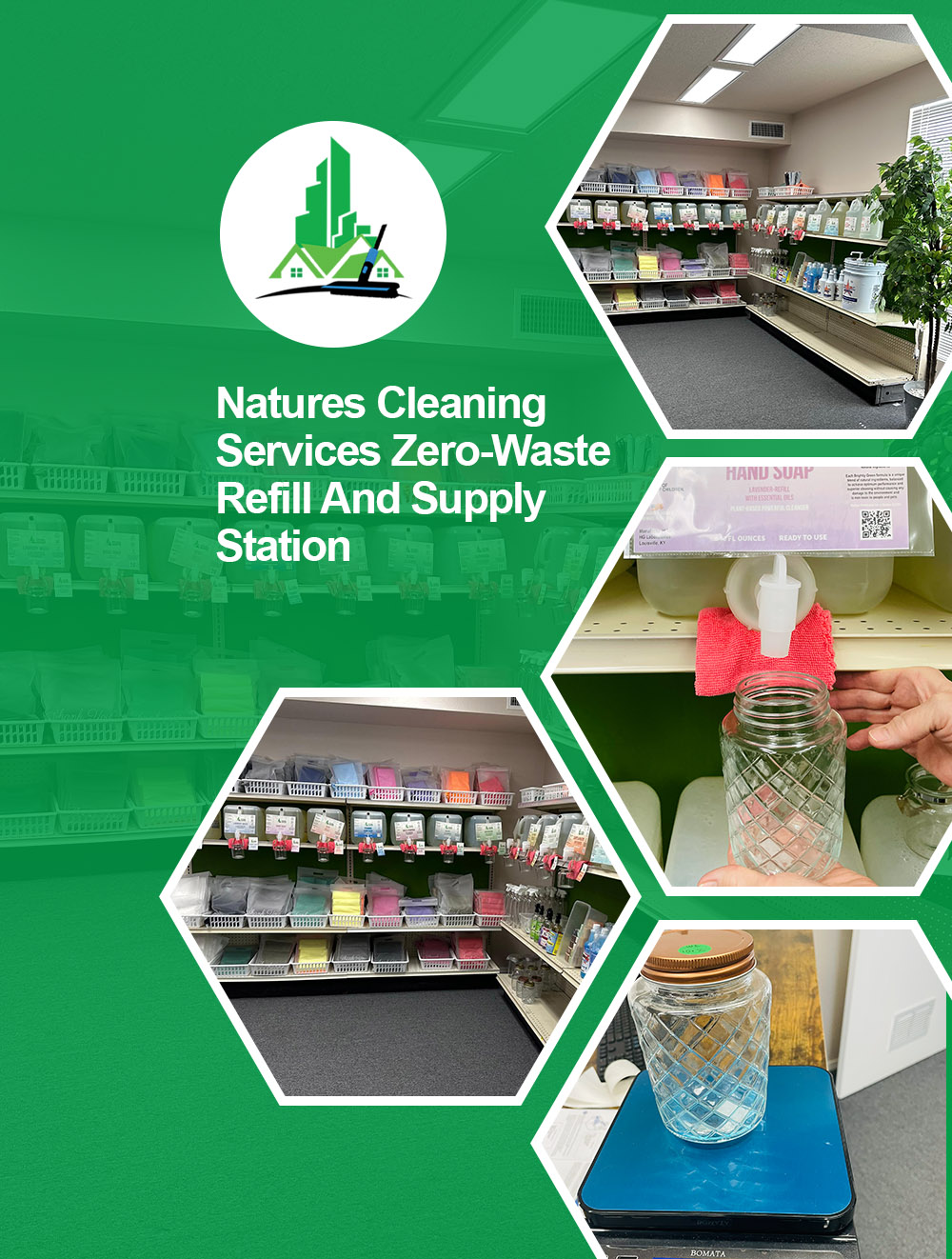
At Natures Cleaning Services, we believe you should not have to compromise your health for a clean home. Choosing safer products, using them correctly, and keeping up with small tasks gives your pets a cleaner place to play, nap, and come home to.