How to Reduce Indoor Cleaning Toxins
That sharp “clean” smell after scrubbing a bathroom or mopping a floor is not always a sign that your space is healthier. In many homes and workplaces, it can mean the opposite. If you are wondering how to reduce indoor cleaning toxins, the goal is not to lower your standards. It is to keep the same level of cleanliness without filling your indoor air and surfaces with ingredients that can irritate lungs, skin, and eyes.
For families with children, pet owners, and business owners responsible for staff and visitors, this matters more than most people realize. Indoor environments trap residue, fragrance, and airborne particles. When harsh products are used over and over, those exposures can build into daily discomfort – headaches, coughing, skin flare-ups, or that lingering chemical smell that never quite feels right.
Why cleaning products can affect indoor air more than you expect
Most people think of cleaning as something that removes dirt, allergens, and germs. It should. But conventional products can also introduce volatile compounds, synthetic fragrances, and strong disinfecting agents into the air. In enclosed spaces, especially bathrooms, kitchens, offices, and rooms with limited ventilation, those ingredients can hang around long after the work is done.
Sprays are often a big part of the problem. A spray cleaner turns liquid into fine droplets that are easy to inhale. Fragranced products can add another layer of exposure, even when the label sounds fresh or natural. Bleach and ammonia-based formulas may work fast, but they come with real trade-offs, especially for people with asthma, allergies, chemical sensitivities, or pets that spend more time close to the floor.
This does not mean every strong product is automatically dangerous or that all plant-based products are perfect. It means product choice and cleaning method both matter. A healthier cleaning routine is usually about reducing unnecessary exposure, not chasing perfection.
How to reduce indoor cleaning toxins without sacrificing results
The most effective change is often the simplest one: use fewer products, and use more targeted products. Many households and offices accumulate separate cleaners for glass, counters, tubs, floors, stainless steel, and deodorizing. The more formulas you bring in, the more ingredients and fragrances you introduce indoors.
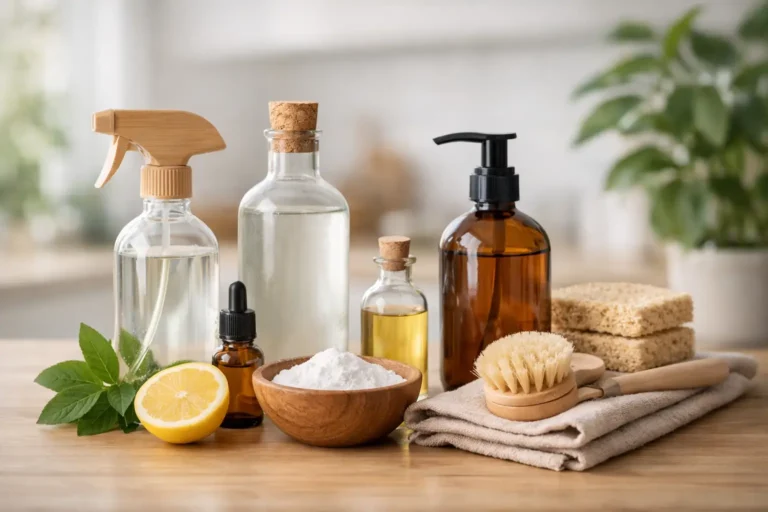
A better approach is to choose a small set of non-toxic or lower-toxicity products that can handle multiple surfaces well. Look for cleaners with clear ingredient transparency and a practical purpose. If a product leaves a heavy scent behind, that is not always a benefit. In many cases, fragrance is doing more for marketing than for cleanliness.
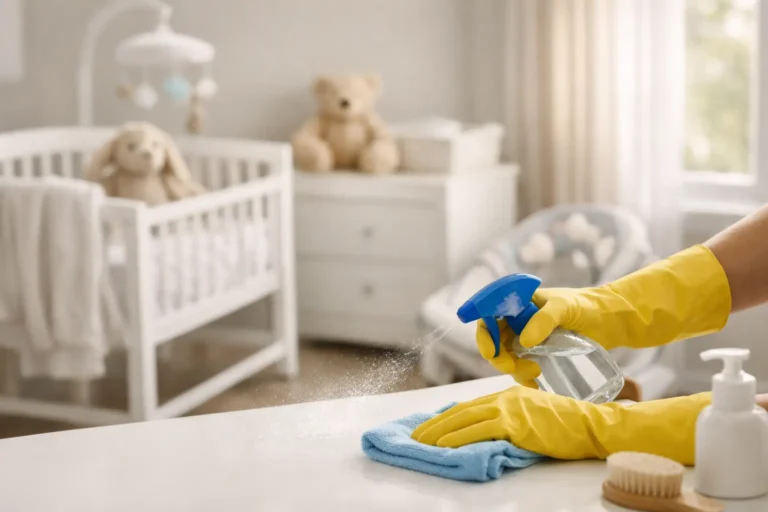
Application matters too. Pouring a cleaner onto a cloth or mop instead of misting it into the air can reduce what gets inhaled. Using the right amount also helps. More product does not always mean more cleaning power. It can leave residue on surfaces, attract more dirt later, and increase contact for kids and pets.
Focus on high-impact swaps first
If you want to know how to reduce indoor cleaning toxins in a realistic way, start with the products you use most often. For most homes and small businesses, that means all-purpose spray, bathroom cleaner, floor cleaner, dish soap, and air fresheners.
Air fresheners are worth special attention. They often mask odors instead of removing the source, and they can be one of the biggest contributors to indoor fragrance exposure. Opening windows, improving airflow, cleaning soft surfaces regularly, and treating the cause of odors usually works better than layering scent on top.
Floor cleaners also deserve a closer look because residue stays where children crawl and pets rest. A gentler, residue-conscious formula can make a meaningful difference in day-to-day exposure.
Ventilation is part of safer cleaning
Even safer products should be used with airflow in mind. Open windows when possible. Run bathroom exhaust fans during and after cleaning. In workplaces, make sure cleaning schedules account for occupancy. If possible, clean heavier-use areas when fewer people are present.
In New Mexico, dry air and dust can already create irritation for some households. Adding harsh fumes to the mix can make indoor comfort worse, not better. Ventilation helps clear airborne particles and supports a fresher space without relying on added fragrance.
Habits that lower toxin exposure over time
A healthier cleaning routine is not just about what you buy. It is also about how you clean and how often. Dirt and grime are easier to remove when they do not have time to build up. That is one reason recurring maintenance cleaning can be healthier than occasional aggressive deep scrubbing with stronger chemicals.
When messes sit for too long, people tend to reach for the harshest product they can find. Regular upkeep lets you use milder formulas because the job never gets out of control. This is especially helpful in bathrooms, kitchens, breakrooms, and entryways where buildup happens fast.
Microfiber cloths and mop pads can also reduce the need for heavy chemical use because they physically lift dust, grease, and debris more effectively than some older cleaning materials. The trade-off is that they need proper washing and replacement over time to stay effective. But when used well, they support a cleaner result with less product.
Keeping labels intact, storing products safely, and never mixing formulas are basic habits that still matter. Bleach mixed with other cleaners can create dangerous fumes. Even products that seem common or familiar should be treated carefully.
Rooms where reducing indoor cleaning toxins matters most
Some spaces deserve extra caution because exposure is more frequent or more concentrated. Bathrooms are one example. Small square footage, poor ventilation, and stronger products often come together in one room. Kitchens are another because cleaning chemicals are used where food is prepared and where families gather daily.
Bedrooms are easy to overlook. Many people use scented sprays, fabric refreshers, or strong dusting products in sleeping areas, then spend hours breathing that air overnight. In offices, conference rooms, waiting areas, and treatment spaces, the concern is broader. Staff and visitors may have different sensitivities, and what smells clean to one person may trigger discomfort for another.
If you manage a commercial space such as a clinic, school, dealership, or professional office, consistency matters as much as product choice. A safer cleaning plan should be repeatable, clearly communicated, and appropriate for the people using the space.
When DIY works and when professional help makes sense
Some households do well with a simple, low-toxicity routine they manage on their own. If your home is already fairly tidy and you stay on top of bathrooms, floors, and kitchens, a streamlined product lineup may be enough.
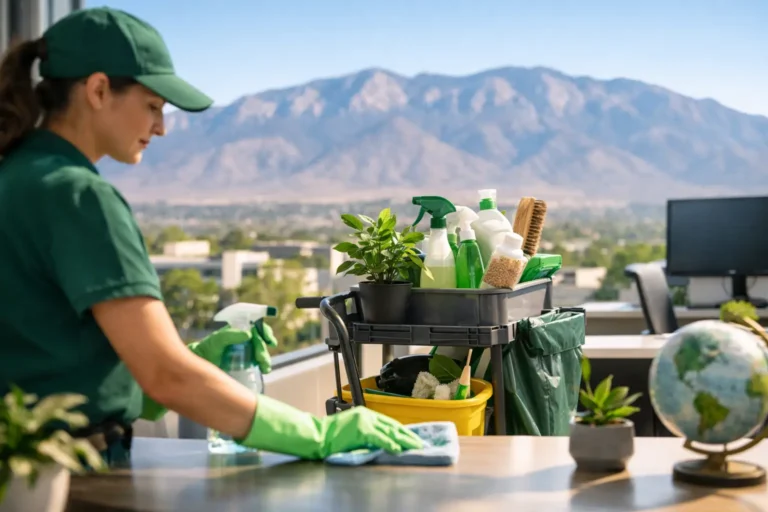
But there are times when professional support is the healthier option. Move-in and move-out cleanings, post-construction cleanup, deep bathroom buildup, neglected grout, and larger commercial spaces often push people toward stronger chemicals because the workload is overwhelming. A professional team that uses safer methods can get the space under control without making indoor air quality worse than it needs to be.
That is where choosing the right company matters. Not every service that says green actually prioritizes low-toxicity cleaning in a meaningful way. Ask what products are used, whether they are safe around children and pets, how fragrance is handled, and whether the cleaning plan can be customized for sensitivities or workplace needs.
For families and businesses in the Albuquerque area, this is not just about appearances. It is about protecting the people who live, work, and visit there every day. At Natures Cleaning Services, that principle is simple: you should not have to compromise your health for a clean space.
A more practical standard for clean
There is a common belief that if a product is harsh, heavily scented, or leaves a strong chemical smell behind, it must be working harder. In reality, a healthier standard for clean looks different. It means surfaces are truly wiped down, grime is removed, and the air feels fresh because the space is clean – not because a fragrance is covering it up.
If you are working on how to reduce indoor cleaning toxins, start small and stay consistent. Replace the products you use most. Reduce sprays where you can. Improve airflow. Keep up with routine cleaning so you do not need extreme solutions later. Over time, those choices can make your home or workplace feel more comfortable, more breathable, and more aligned with the kind of care people notice right away.
A clean space should support well-being, not work against it.