A Healthy Home Cleaning Guide for Safer Spaces
The kitchen counter gets wiped down after dinner, but what remains in the air and on the surface afterward matters just as much as the crumbs that disappeared. A healthy home cleaning guide is not about chasing perfection or making every room smell like artificial fragrance. It is about creating a reliably clean space with choices that protect the people and pets who live there.
For busy households, cleaning products often get chosen for speed, scent, or habit. Yet harsh sprays, heavily fragranced products, and poor ventilation can leave behind residues or irritants that are especially unwelcome around children, pets, and anyone with sensitivities. A safer routine can still deliver professional-level results. It simply puts health, thoughtful products, and consistent habits at the center.
Start With What Makes a Home Feel Healthy
A healthy home is not sterile. It is a place where dust, allergens, grease, tracked-in soil, and bathroom buildup are managed before they become harder to remove. It also has fresh airflow, clean high-touch surfaces, and floors that are safe for bare feet, crawling babies, and pets who spend much of their day close to the ground.
The goal is to clean according to how each room is used. A guest bathroom that sees occasional use needs a different schedule than a kitchen used for three meals a day. A home with shedding pets needs more attention to floors and upholstery than one without them. This is why a customized routine is usually more effective than a one-size-fits-all checklist.
It also helps to separate cleaning from disinfecting. Cleaning removes dirt, oils, and many germs from a surface. Disinfecting is intended to kill specific germs and may be useful after illness, raw-food spills, or in frequently used shared spaces. Disinfectants are not necessary for every daily wipe-down, and overusing them can add unnecessary chemical exposure. Clean first, then disinfect only when the situation calls for it.
Choose Products With People and Pets in Mind
Product labels can be confusing. Words such as “natural” or “green” may sound reassuring, but they do not always explain what is inside the bottle. Look beyond front-label claims and favor products with clear ingredient information, low or no added fragrance, and directions for safe use.
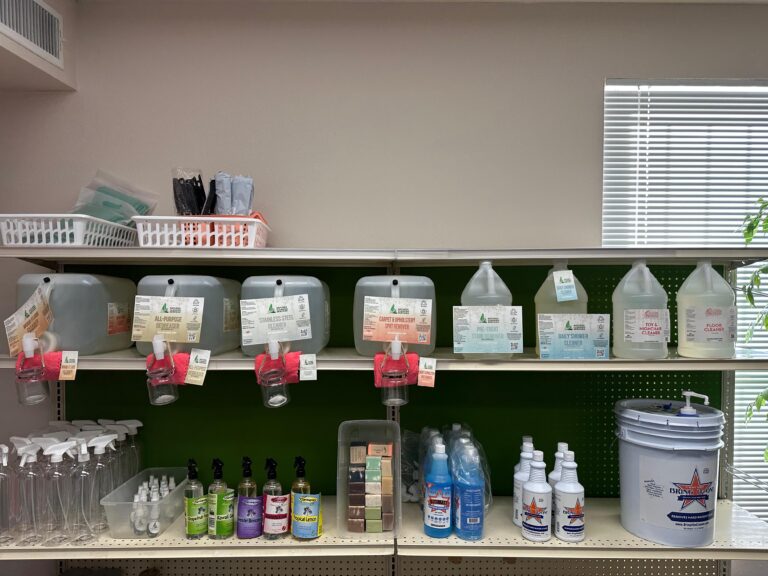
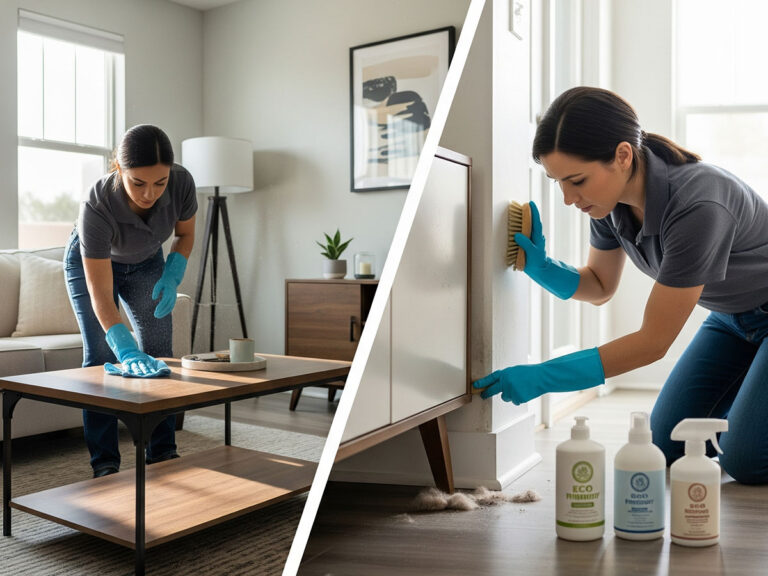
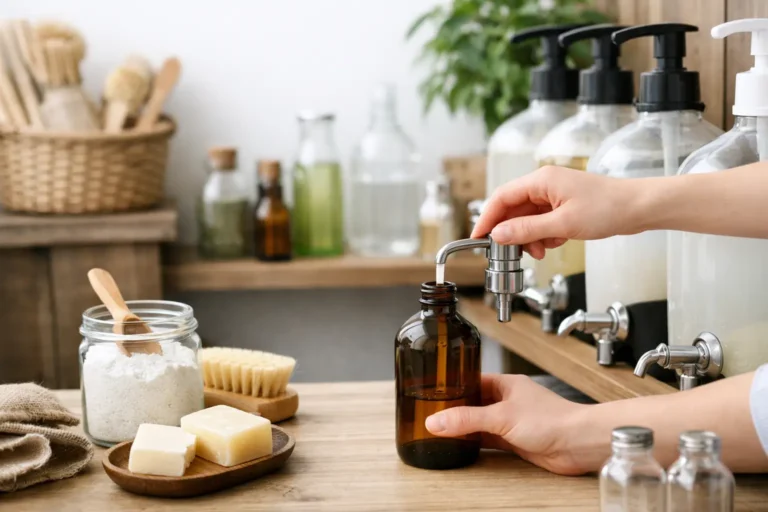
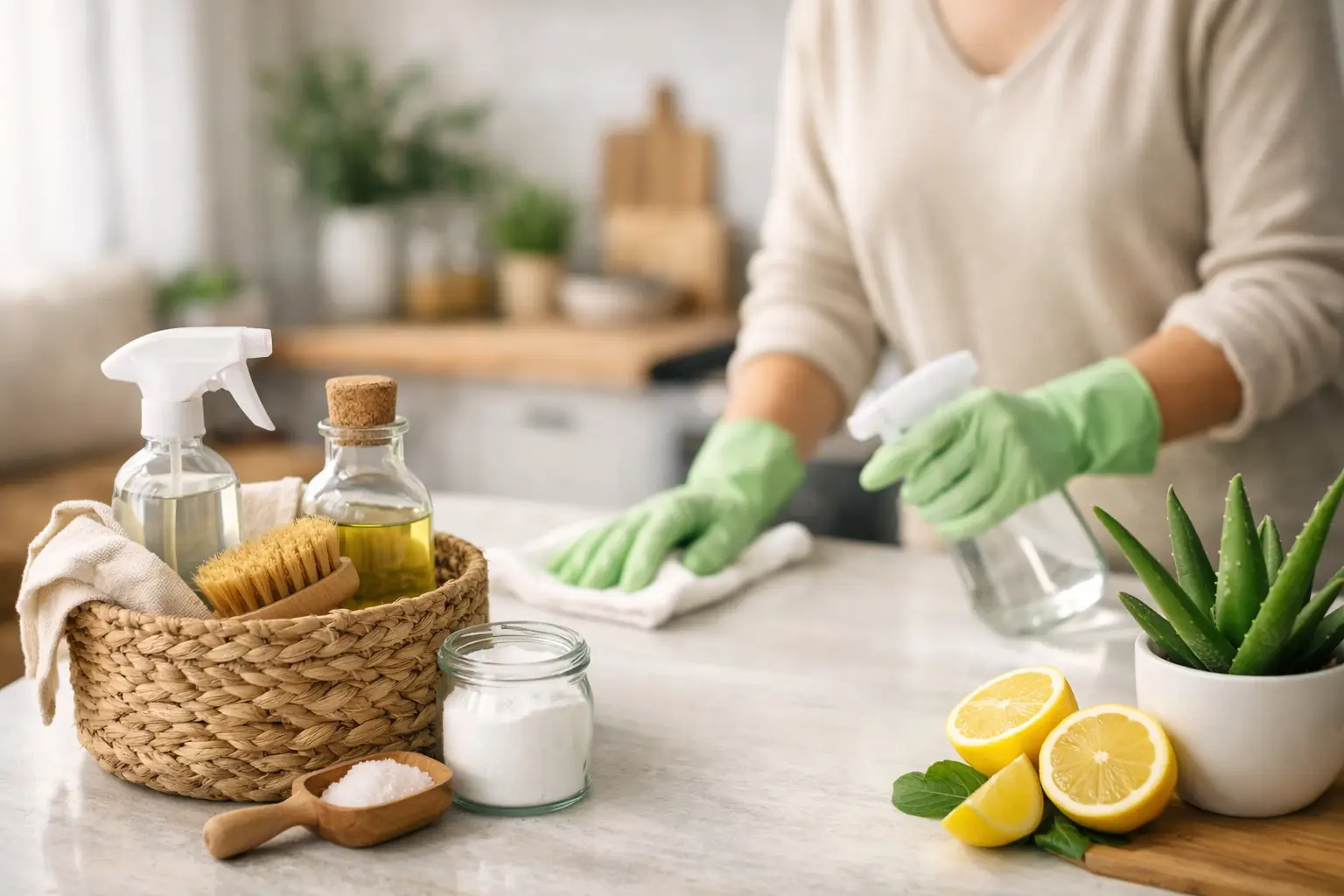
Plant-based, non-toxic cleaning solutions can handle most everyday household jobs when used correctly. The right product still needs enough contact time to break down soil, and the right tool matters. A microfiber cloth, for example, lifts dust and grime efficiently with less product than a paper towel. A soft brush can remove grout buildup without relying on a harsh cleaner.
Fragrance deserves special attention. A strong scent is often mistaken for proof of cleanliness, but clean does not need to smell perfumed. Fragrance can be irritating for some people and pets, particularly in small or poorly ventilated rooms. If you enjoy a light scent, choose it carefully and use it sparingly. If someone in your household has asthma, allergies, migraines, or skin sensitivities, fragrance-free products are often the more comfortable choice.
Never mix cleaning products. Bleach, ammonia, acids, and other common ingredients can create dangerous fumes when combined. Even safer products should be used as directed and stored securely, out of reach of children and pets.
Use Less Product, Not More
More cleaner does not always mean a cleaner surface. Overapplying product can leave a film that attracts more dust or makes floors feel sticky. Follow dilution instructions, use a measured amount, and rinse when a label calls for it. This small adjustment saves product, reduces waste, and helps surfaces stay cleaner longer.
Build a Healthy Cleaning Rhythm Room by Room
Consistency reduces the need for aggressive deep cleaning later. Rather than setting aside an exhausting full day for chores, use short routines to stay ahead of the messes that affect comfort and indoor air quality most.
Kitchen: Remove Food Residue Before It Builds Up
The kitchen is where grease, food particles, and moisture meet. Wipe counters and the dining table after food preparation, clean spills promptly, and give special attention to handles, faucet controls, and refrigerator doors. These touchpoints collect more than most households realize.
At least once a week, clean the sink, stovetop, microwave interior, and the floor around cooking areas. Check the refrigerator regularly for expired food and wipe shelves before spills become sticky or odorous. For cutting boards and food-contact surfaces, use products and methods appropriate for food-prep areas, then rinse as needed.
A clean kitchen also depends on cloth care. Dish rags and sponges can hold moisture and food residue. Replace or wash them frequently, allow them to dry fully, and keep a fresh supply available. A clean cloth is far more effective than repeatedly spreading yesterday’s mess across the counter.
Bathrooms: Control Moisture, Soap Scum, and High-Touch Areas
Bathrooms do not need harsh fumes to stay fresh. The most useful habit is managing moisture. Run the exhaust fan during showers and for a while afterward, hang damp towels to dry, and address standing water around sinks or tubs. This helps limit mildew-friendly conditions before they develop.
Clean the toilet, sink, faucet, shower, and tub on a regular schedule based on household use. Focus on handles, light switches, and door knobs as well as visible surfaces. Soap scum is easier to remove with frequent light cleaning than after weeks of buildup, which means you can often avoid stronger products and more scrubbing.
If mildew or mold keeps returning, cleaning alone may not solve the underlying problem. A leaky fixture, poor ventilation, or damaged caulk may need repair. Addressing the moisture source protects both the home and the people living in it.
Floors and Soft Surfaces: Improve What You Breathe
Floors hold dust, pollen, pet dander, crumbs, and outdoor debris. In New Mexico, dry conditions and wind can make dust management especially noticeable. Vacuuming regularly with a well-maintained machine, especially one with effective filtration, helps reduce what gets stirred back into the air.
Entryways deserve extra attention because they collect what comes in from outside. Use doormats inside and outside when possible, and consider a shoes-off routine if it works for your household. It will not eliminate cleaning, but it can significantly reduce dirt moving through the rest of the home.
For hard floors, use a cleaner suited to the material and avoid soaking wood or laminate. Excess water can damage seams and finishes. Carpets, rugs, upholstery, and pet beds also need periodic deep attention. Vacuuming handles loose debris, but professional cleaning can be helpful when odors, embedded soil, or allergy concerns persist.
Improve Indoor Air While You Clean
A healthy cleaning routine includes the air, not only the surfaces. Open windows when weather and outdoor air conditions allow, especially while cleaning. Use exhaust fans in bathrooms and kitchens, and change HVAC filters on the schedule recommended for your system and household needs.
Dust from high to low so particles fall onto surfaces that will be cleaned afterward. Start with shelves, blinds, ceiling fans, and furniture, then vacuum or mop the floor. Microfiber cloths work well for this because they capture dust rather than simply pushing it around.
Be mindful of aerosol products. Sprays can linger in the air, and some are easy to overuse. Whenever possible, apply cleaner directly to a cloth instead of misting the entire room. This gives you better control over the amount used and can reduce airborne residue.
Know When Professional Help Is Worth It
There is no prize for doing every cleaning task yourself. Deep cleaning before a move, restoring neglected grout, preparing for guests, keeping up with a demanding work schedule, or maintaining a commercial space can be too much for one person or family. Professional service can provide a practical reset and create a routine that is easier to maintain.
For households and businesses in Albuquerque, Rio Rancho, Corrales, and surrounding communities, Natures Cleaning Services uses plant-based, non-toxic solutions to provide thorough cleaning without asking customers to compromise their health for a clean space. Recurring service can be tailored around your home, pets, work hours, and the areas that need the most attention.
A professional visit is also useful when you are unsure how to treat a surface safely. Natural stone, specialty flooring, grout, and delicate finishes all have different needs. Using the wrong product or tool can cause lasting damage, so a careful approach is often the more economical one.
Make Healthy Cleaning Easier to Keep Up With
The best routine is one you can realistically repeat. Keep a small set of dependable supplies where you use them most, such as a bathroom-safe cleaner and clean microfiber cloths in each bathroom. Resetting a room for five minutes after use is often easier than facing an hour of buildup later.
Give yourself permission to prioritize. If time is short, focus on food-prep surfaces, bathrooms, floors, and high-touch points first. Those areas have the greatest effect on how a home feels and functions. Decorative details can wait when life gets busy.
A cleaner home should support your well-being, not add another source of stress. Choose products you feel comfortable using around the people you love, clean with enough consistency to prevent buildup, and ask for help when your home needs more than your schedule can give. That is how a cleaning routine becomes an act of care for your household and for the place you call home.