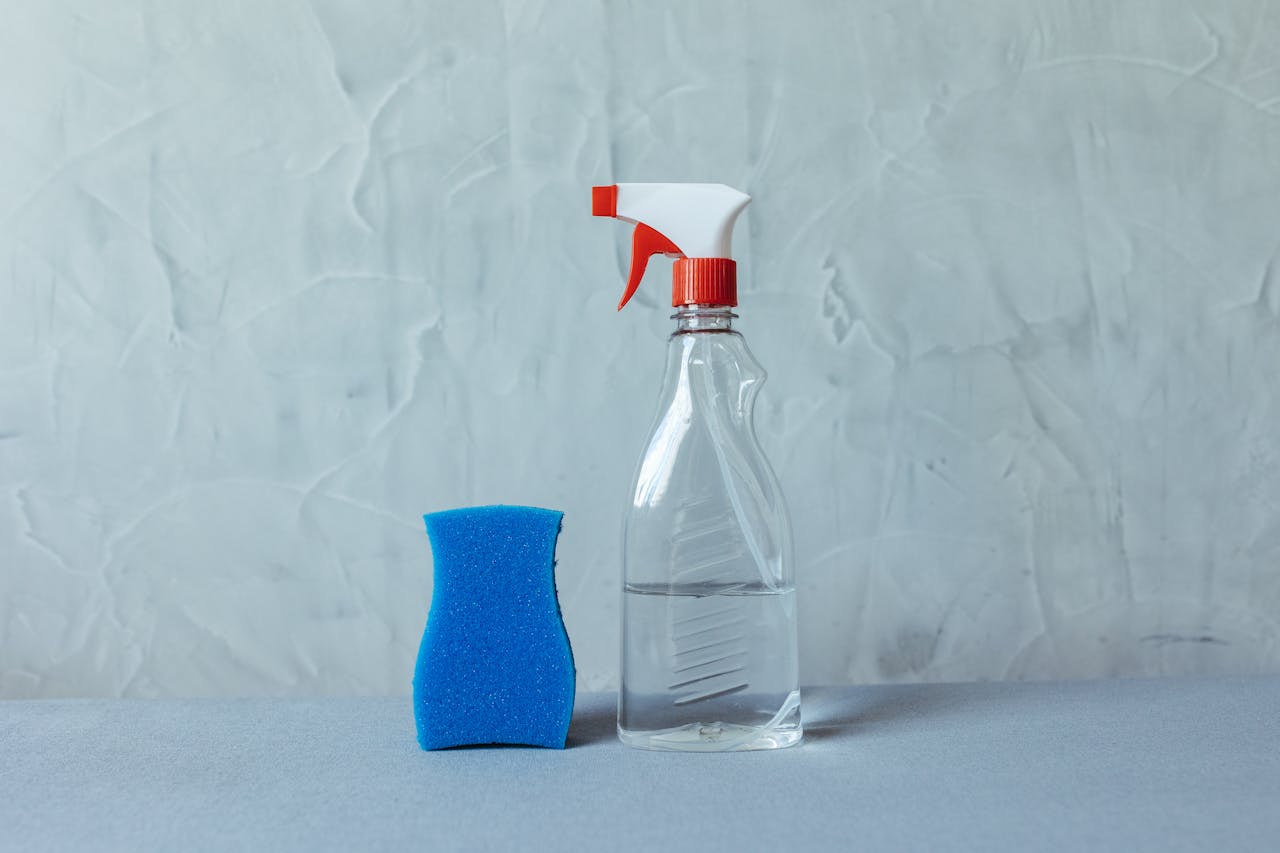
How Chemical-Based Cleaners Affect Indoor Air Quality
The Invisible Side of Cleanliness
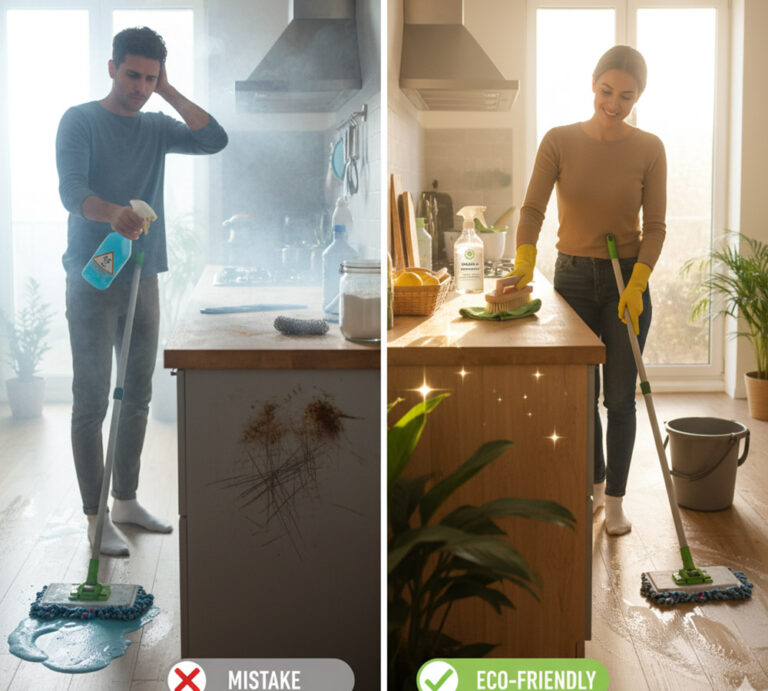
A freshly cleaned home should feel refreshing—but for many people, it brings headaches, coughing, or irritation. The reason isn’t cleanliness itself, but the chemicals left behind in the air.
Indoor air quality plays a major role in health, comfort, and productivity. Unfortunately, chemical-based cleaning products are one of the biggest contributors to indoor air pollution.
Understanding Indoor Air Quality
Indoor air quality refers to the cleanliness and safety of the air inside buildings. Poor air quality can result from:
- Chemical fumes
- Dust and allergens
- Mold spores
- Poor ventilation
Cleaning products are a major—and often overlooked—source of indoor pollutants.
What Are VOCs and Why Are They Dangerous?
Volatile Organic Compounds (VOCs) are gases released into the air from:
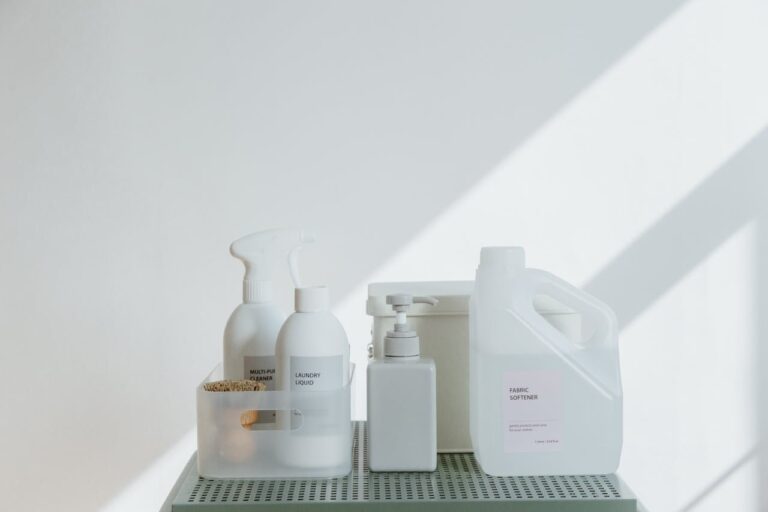
- Disinfectants
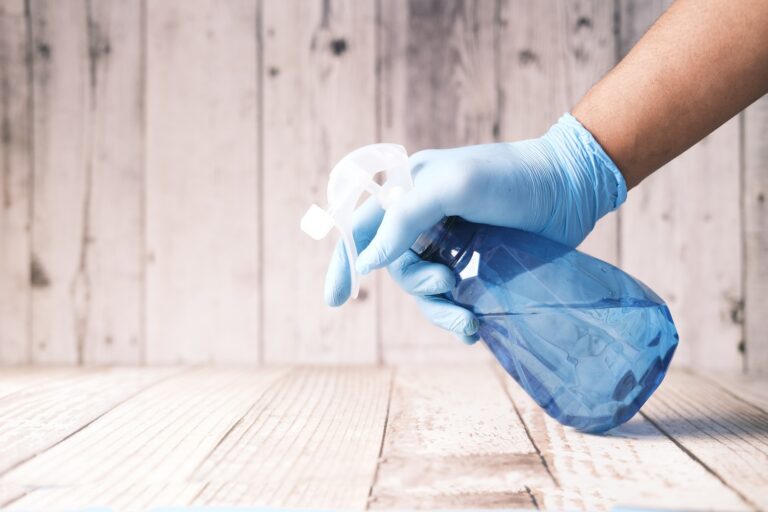
- Cleaning sprays
- Air fresheners
- Floor and glass cleaners
Once released, VOCs linger long after cleaning ends.
Health Effects of VOC Exposure
Short-Term Effects
- Eye, nose, and throat irritation
- Headaches
- Dizziness
- Nausea
- Fatigue
Long-Term Effects
- Asthma development or worsening
- Chronic respiratory issues
- Reduced lung capacity
- Increased sensitivity to chemicals
Why Indoor Spaces Trap Chemical Pollutants
Modern buildings are designed for energy efficiency, which means:
- Tightly sealed windows
- Limited airflow
- Recirculated indoor air
This traps chemical fumes inside, allowing them to build up over time.
High-Risk Environments
Chemical cleaners have the greatest impact in:
- Homes with children
- Offices cleaned daily
- Schools and daycares
- Medical and dental offices
Frequent cleaning equals frequent exposure.
Children, Seniors, and Vulnerable Individuals
Children breathe faster and absorb more pollutants relative to their size. Seniors often have weaker immune and respiratory systems.
Poor indoor air quality can significantly affect:
- Childhood development
- Senior health
- Employee productivity
How Non-Toxic Cleaners Improve Indoor Air Quality
Green cleaning products:
- Emit little to no VOCs
- Avoid synthetic fragrances
- Use natural disinfecting agents
This leads to immediate improvements in indoor air.
The Link Between Air Quality and Productivity
Cleaner air has been shown to:
- Improve concentration
- Reduce sick days
- Increase comfort
- Support mental clarity
This is especially important in workplaces.
The Role of Professional Green Cleaning Services
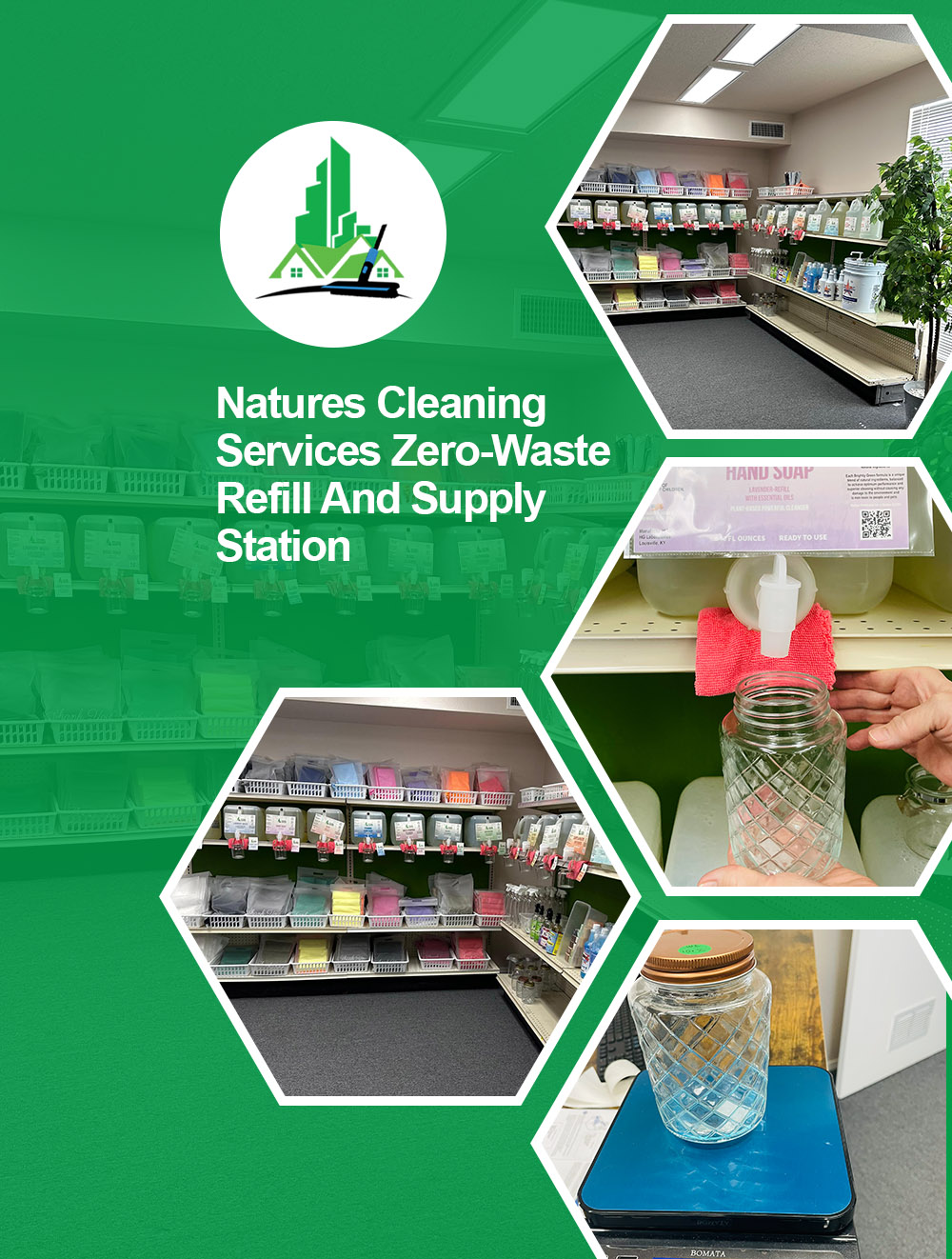
Green cleaning companies like Nature’s Cleaning LLC:
- Use certified non-toxic products
- Follow safe cleaning protocols
- Prioritize occupant health
This ensures spaces are truly clean—without hidden risks.
Practical Steps to Improve Indoor Air Quality
- Switch to non-toxic cleaners
- Avoid artificial fragrances
- Ventilate during and after cleaning
- Hire green cleaning professionals
Frequently Asked Questions (SEO Section)
Can cleaning products really affect air quality?
Yes. Many release VOCs that linger indoors for hours or days.
Are natural cleaners effective?
Absolutely. Plant-based cleaners remove dirt and bacteria safely.
How quickly does air quality improve?
Often immediately after switching to non-toxic products.
Conclusion: Clean Air Is Essential to a Healthy Space
Indoor air quality is just as important as surface cleanliness. By eliminating chemical-based cleaners and choosing non-toxic alternatives, homes and businesses can protect respiratory health, improve comfort, and create safer indoor environments.