Non Toxic Office Cleaning Checklist for Healthy Teams
A clean office should not leave behind a cloud of artificial fragrance or a sharp chemical smell in the break room. This non toxic office cleaning checklist helps business owners and office managers create a workplace that looks professional while being more considerate of employees, clients, pets, and the environment.
For workplaces in Albuquerque, Rio Rancho, and nearby communities, cleaner indoor air matters. New Mexico’s dry climate can bring dust through entryways and settle on desks, vents, and floors quickly. The answer is not stronger chemicals. It is a consistent cleaning plan, appropriate plant-based products, and careful attention to the surfaces people touch most.
Start With a Safer Cleaning Standard
Non-toxic cleaning is more than swapping one spray bottle for another. A healthier office routine considers the product, the amount used, ventilation, reusable tools, and the needs of people in the building. Employees with asthma, allergies, migraines, or fragrance sensitivities may notice the difference immediately.
Read product labels before bringing anything into the office. Look for clearly identified ingredients and avoid products with heavy added fragrances, chlorine bleach, ammonia, or harsh solvents when a safer option can do the job. “Green” on a label is not always enough by itself. A product should still be used as directed and stored safely.
There are trade-offs. A plant-based all-purpose cleaner can handle routine fingerprints, dust, and everyday spills very well, but it may not be the right solution for every sanitation situation. Medical clinics, dental offices, childcare settings, and areas affected by bloodborne pathogens must follow their specific cleaning and disinfection requirements. In those cases, use the required disinfectant only where needed, rather than applying strong chemicals throughout the entire workplace.
Daily Non Toxic Office Cleaning Checklist
A daily routine prevents grime from building up and keeps the office ready for staff and visitors. Assign responsibility internally or work with a dependable commercial cleaning team so the tasks are completed consistently.
- Entryways and reception: Shake out or vacuum entry mats, remove visible debris, clean glass doors and handles, and wipe the reception counter with a non-toxic surface cleaner. Entry mats are especially valuable in dusty or rainy weather because they stop dirt before it travels across the office.
- High-touch surfaces: Wipe door handles, light switches, elevator buttons, shared keyboards, phone handsets, printer controls, conference tables, and cabinet pulls. Use clean microfiber cloths rather than repeatedly spreading soil with the same rag.
- Desks and workstations: Empty small trash bins as needed, remove food waste, spot-clean visible spills, and lightly dust accessible surfaces. Employees should clear personal items from shared desks so cleaning can be thorough without disrupting private paperwork.
- Restrooms: Clean toilets, sinks, faucets, dispensers, stall doors, and floor areas. Refill soap, paper products, and any hygiene supplies. A restroom that smells fresh because it is actually clean is always better than one masked with overpowering fragrance.
- Break rooms: Wipe counters, tables, appliance handles, sink fixtures, and cabinet pulls. Clean spills in microwaves and refrigerators promptly, empty food trash, and sweep or vacuum crumbs from the floor.
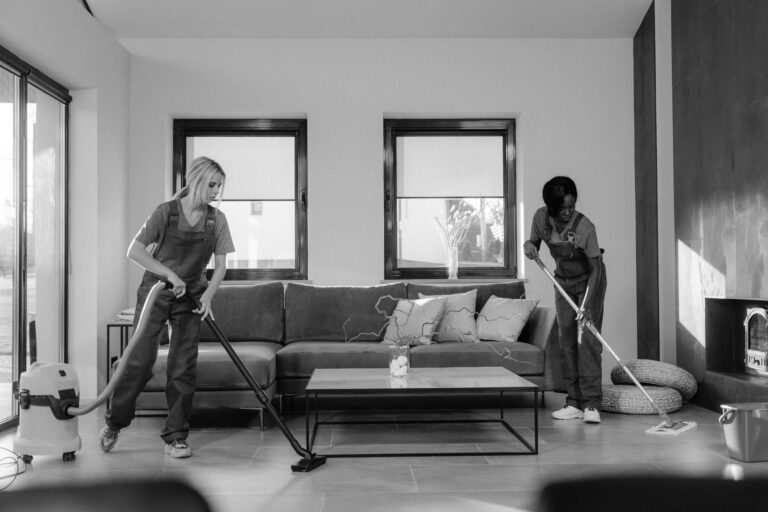
- Floors: Vacuum carpeted areas using a well-maintained vacuum, preferably one with effective filtration. Sweep hard surfaces and use a damp microfiber mop when needed. Avoid over-wetting floors, which can create slip hazards and leave streaks.
Weekly Tasks That Protect the Whole Workplace
Weekly cleaning reaches the details that make an office feel cared for, even when employees and visitors may not consciously notice them. These tasks also help extend the life of furniture, flooring, and fixtures.
Dust Where It Collects
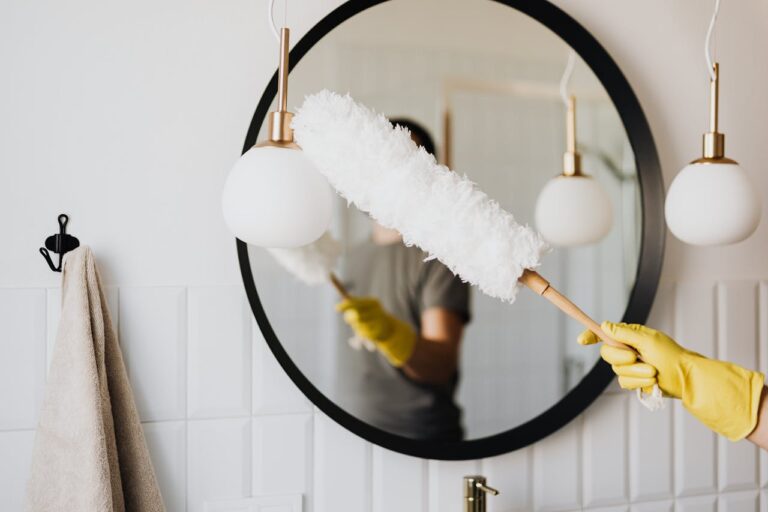
Dust baseboards, window ledges, blinds, chair legs, shelves, monitor stands, and accessible vents. Work from high surfaces down so debris does not land on a floor that has already been cleaned. Microfiber captures dust more effectively than dry paper towels and can be washed and reused, helping reduce waste.
Pay attention to ceiling fans and return-air vents. Dusty airflow can make an otherwise clean office feel stale, particularly in spaces that run heating or air conditioning for long hours.
Clean Glass, Screens, and Shared Equipment
Use a streak-free, non-toxic glass cleaner on interior glass doors, partitions, and mirrors. For electronics, follow manufacturer guidance and apply a suitable cleaner to a cloth rather than spraying directly onto screens or keyboards.
Wipe shared appliances and equipment carefully. Coffee makers, copier trays, refrigerator handles, and water dispensers are easy to overlook because they are used throughout the day by many people.
Give Restrooms and Kitchens Extra Attention
Weekly restroom care should include wiping partitions, cleaning around toilet bases, removing mineral buildup around faucets, and washing trash receptacles. In the kitchen or break room, clean the refrigerator exterior and handles, wipe cabinet fronts, clean under countertop appliances when accessible, and check for expired food that may create odors.
Monthly and Seasonal Office Cleaning Tasks
Some cleaning needs do not show up on a daily schedule, but postponing them can lead to worn-looking floors, persistent odors, and a less welcoming office. Add these tasks to a monthly rotation or arrange professional service based on traffic levels.
- Deep vacuum upholstered chairs and fabric partitions, especially in reception areas and conference rooms.
- Clean interior windows, glass partitions, ledges, and door frames.
- Detail baseboards, corners, wall marks, and areas behind movable furniture.
- Deep clean hard floors and address grout or buildup in restrooms and entry areas.
- Wash waste bins and recycling containers, then allow them to dry completely.
- Review supply storage for leaking containers, duplicate products, and items that are past their useful life.
Seasonal cleaning may include carpet care, floor maintenance, high dusting, and a closer review of entryway conditions. Offices near construction, desert landscaping, or busy roads may need more frequent floor and dust management. A one-size-fits-all schedule rarely works as well as a plan based on your building’s traffic, flooring, and service type.
Choose Tools That Clean Without Creating More Waste
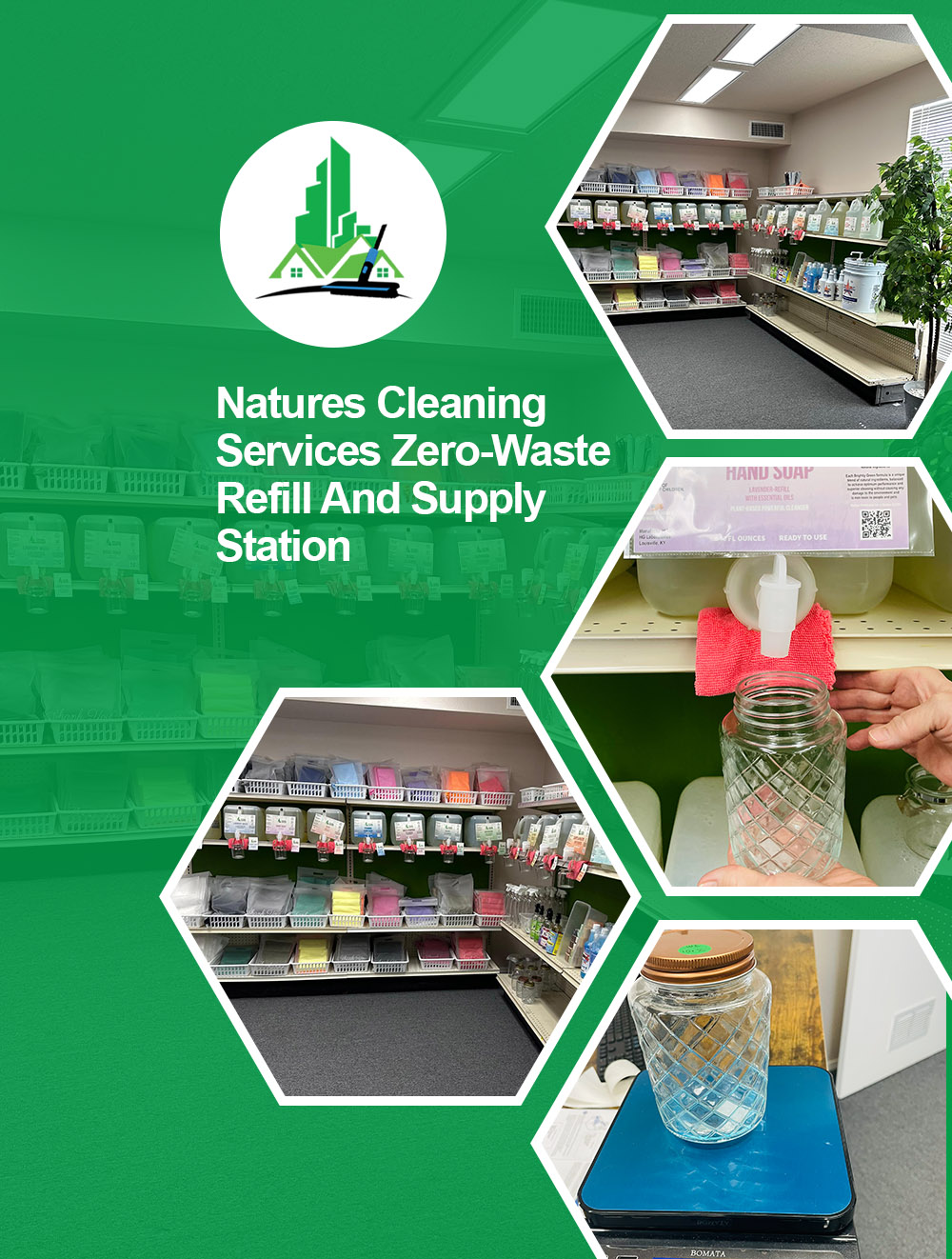
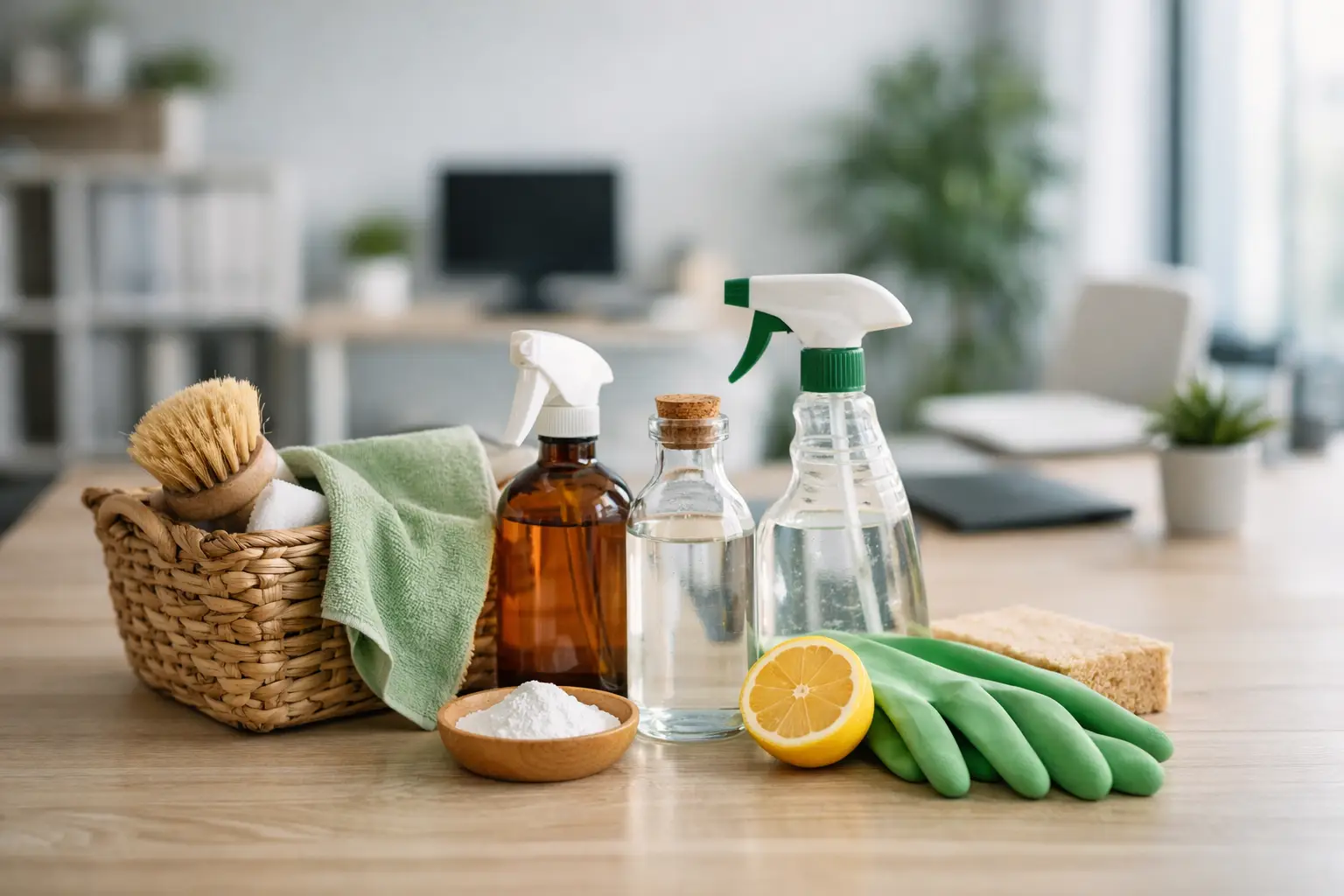
The tools behind your routine matter as much as the cleaner itself. Reusable microfiber cloths, washable mop pads, refillable dispensers, and concentrated products can reduce disposable waste while maintaining a professional standard.
Color-code cloths and mop pads by area. For example, keep restroom cloths separate from those used in break rooms and desks. This simple system helps prevent cross-contamination and makes it easier for employees or cleaning crews to follow the same process every time.
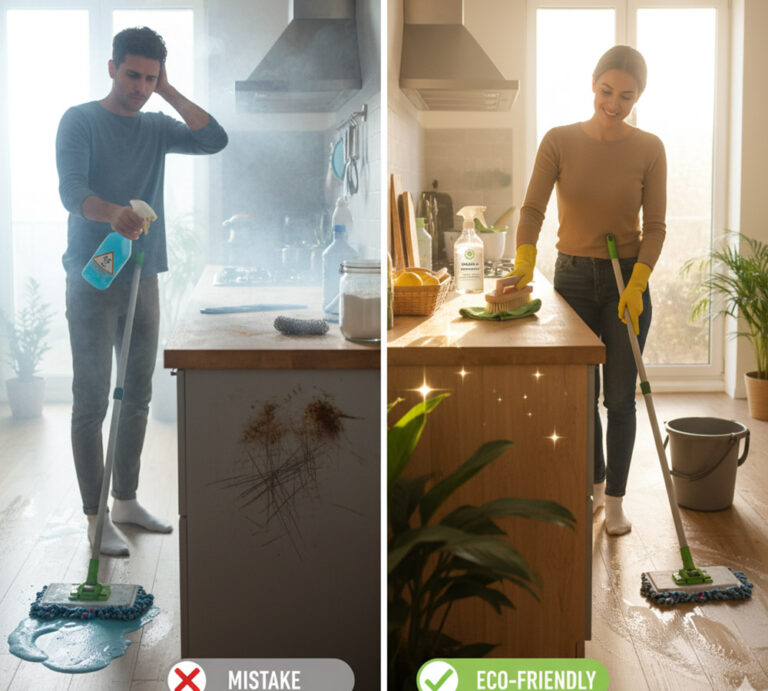
Use only enough product to lift soil from the surface. More cleaner does not automatically mean a better result. Excess product can leave residue on floors, desks, and glass, attracting more dirt and making surfaces feel sticky.
Make the Checklist Work for Your Team
A checklist is only useful when it fits the rhythm of the office. A small professional office may need daily touchpoint cleaning and weekly detailed care, while a busy clinic, school, dealership, or customer-facing business may need restrooms, entryways, and shared spaces serviced more often.
Ask employees what they notice. They may point out a dusty vent near their workstation, a break-room odor at the end of the day, or a restroom supply issue before it becomes a larger problem. Clear communication also helps staff understand that a clean desk policy is not about perfection. It is about giving the cleaning team reasonable access to maintain a healthy shared environment.
For business owners who do not have time to manage cleaning supplies, schedules, and follow-up, Natures Cleaning Services can build a customized commercial cleaning plan using plant-based, non-toxic solutions. Professional support can be especially helpful when offices need dependable recurring care, floor cleaning, detailed restroom service, or a deeper reset after a move, event, or busy season.
A healthier office is built through small, repeated choices: a clean entry mat, a freshly wiped shared phone, a restroom stocked with soap, and cleaning products that do their job without compromising the people who use the space. Put this checklist where your team can use it, adjust it as your workplace changes, and let every clean surface reflect the care you have for the people inside.